The Greatest Defensive Positions in Military History
A Look Back at the Most Notable Defensive Roles in Military History
The military has a rich history of incredible defensive positions that have protected troops, cities, and entire nations from invaders. These defensive structures, fortifications, and tactics have been shaped by the ingenuity of military leaders, the bravery of soldiers, and the evolution of warfare. In this article, we will delve into some of the most remarkable defensive positions in military history, highlighting their significance, the challenges they posed to enemy forces, and the impact they had on the course of battles and wars.
The Great Wall of China: A Symbol of Ancient Defensive Engineering
The Great Wall of China, one of the most impressive architectural feats in history, stretches over 4,000 miles across the northern borders of China. Constructed over several centuries, the wall was designed to protect the Chinese Empire from invading nomadic tribes and maintain control over the Silk Road, a vital trade route.
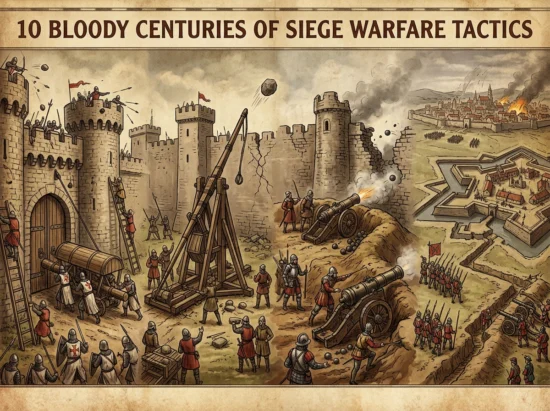
Despite its formidable length, the Great Wall was not invincible. In the 13th century, the Mongols breached the wall by using catapults and siege engines to destroy sections of the wall. However, the wall’s sheer size and complexity made it a significant obstacle for invading forces, and its legacy as a testament to ancient defensive engineering continues to inspire awe and respect.
The Maginot Line: A Stronghold of French Defensive Might
The Maginot Line, a series of fortifications built along the French-German border in the 1930s, was designed to prevent a German invasion. This extensive defensive system featured concrete fortresses, pillboxes, and a network of tunnels and bunkers. While the Maginot Line was not designed to be a decisive factor in the outcome of the Second World War, it did serve as a powerful deterrent to the German military.
Despite its impressive design, the Maginot Line was breached by the Germans at several points, including the Saar and Lorraine regions. However, the fortifications’ strong resistance and the delay they caused for the German advance allowed the French to regroup and continue fighting. The Maginot Line remains an exemplary example of modern defensive fortifications and a testament to the importance of strategic planning in warfare.
The Walls of Constantinople: A Legacy of Byzantine Defensive Ingenuity
The Walls of Constantinople, the capital of the Byzantine Empire, were constructed over several centuries to protect the city from invaders. This impressive defensive system consisted of multiple layers of walls, including the famous Theodosian Walls, which were built in the 5th century. The walls were designed to withstand siege engines, catapults, and other forms of medieval warfare.
The Walls of Constantinople were not breached until the Fourth Crusade in 1204, when the Crusaders, led by the Venetians, used advanced siege engines and tactics to breach the walls. However, the city’s defenders, including the famous Byzantine Emperor Justinian, had successfully repelled numerous sieges throughout history, earning the city its reputation as an impenetrable fortress.
The Alcázar of Segovia: A Medieval Stronghold of Spanish Defensive Might
The Alcázar of Segovia, a medieval fortress located in the town of Segovia, Spain, was constructed in the 12th century to protect the city from invading forces. This impressive defensive structure features a combination of towers, walls, and a network of tunnels and bunkers.
The Alcázar of Segovia was designed to withstand siege engines and other forms of medieval warfare. Its defenders successfully repelled numerous sieges throughout history, including the Castilian Civil War in the 15th century. The fortress’s legacy as a testament to Spanish defensive ingenuity continues to inspire awe and respect.
Conclusion
The defensive positions mentioned in this article have left an indelible mark on military history. From the ancient Great Wall of China to the modern Maginot Line, each of these defensive structures has served as a powerful deterrent to invading forces and a testament to the ingenuity of military leaders and the bravery of soldiers.
These defensive positions have not only protected troops, cities, and nations but have also shaped the course of battles and wars. As we reflect on the greatest defensive positions in military history, we are reminded of the importance of strategic planning, defensive engineering, and the bravery of those who have defended their nations and their homes.
Frequently Asked Questions
Q: What is the longest defensive position in military history?
A: The Great Wall of China is the longest defensive position in military history, stretching over 4,000 miles across the northern borders of China.
Q: Which defensive position was breached by the Germans during World War II?
A: The Maginot Line, a series of fortifications built along the French-German border in the 1930s, was breached by the Germans at several points, including the Saar and Lorraine regions.
Q: What is the most notable feature of the Walls of Constantinople?
A: The Walls of Constantinople, the capital of the Byzantine Empire, were constructed over several centuries to protect the city from invaders. This impressive defensive system consisted of multiple layers of walls, including the famous Theodosian Walls, which were built in the 5th century.
Q: Which medieval stronghold was designed to withstand siege engines and other forms of medieval warfare?
A: The Alcázar of Segovia, a medieval fortress located in the town of Segovia, Spain, was constructed in the 12th century to protect the city from invading forces. This impressive defensive structure features a combination of towers, walls, and a network of tunnels and bunkers.
Q: What is the significance of the defensive positions mentioned in this article?
A: The defensive positions mentioned in this article have left an indelible mark on military history, serving as powerful deterrents to invading forces and testaments to the ingenuity of military leaders and the bravery of soldiers. They have not only protected troops, cities, and nations but have also shaped the course of battles and wars.