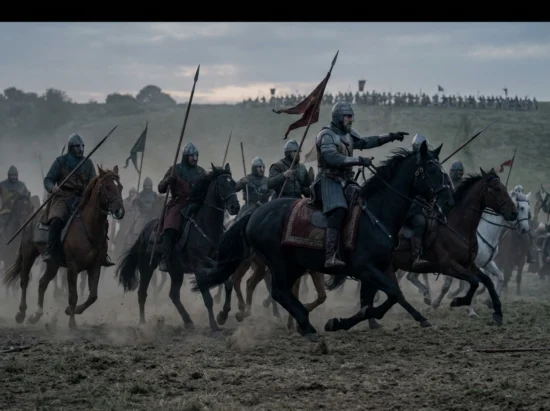
The History of Military Intelligence Networks
Introduction
Military intelligence networks have played a crucial role in shaping the outcome of wars and conflicts throughout history. These networks have been responsible for gathering and analyzing vital information that has often been the deciding factor in military victories. From ancient civilizations to modern-day militaries, intelligence networks have evolved significantly over the centuries, adapting to technological advancements, changing warfare tactics, and shifting global politics.
The Early Years: Ancient Civilizations
The earliest recorded evidence of military intelligence networks dates back to ancient Mesopotamia, around 4000 BCE. The Sumerians employed a sophisticated system of messengers and spies to gather information about their enemies and allies. Similarly, in ancient Greece, the famous historian Herodotus wrote about the use of scouts and spies by the Persian Empire to gather intelligence on their enemies.
The Age of Empires: Medieval and Early Modern Periods
During the Middle Ages, the use of intelligence networks became more widespread and sophisticated. The Byzantine Empire, in particular, was renowned for its extensive network of spies and informants that spanned across the known world. The use of cryptic messages, hidden letters, and coded communications became a hallmark of medieval intelligence networks.
The Advent of Modern Intelligence: 19th and 20th Centuries
The Industrial Revolution and the rise of modern nation-states brought significant changes to the world of military intelligence. The development of new technologies, such as the telegraph, radio, and telephone, enabled the rapid transmission of information across vast distances. The rise of modern nation-states also led to the establishment of formal intelligence agencies, such as the British Secret Intelligence Service (SIS) and the United States Office of Naval Intelligence (ONI).
World War I and II: The Dawn of Modern Intelligence Networks
The two World Wars marked significant milestones in the evolution of military intelligence networks. The widespread use of radio communication, cipher machines, and codebreaking techniques revolutionized the way intelligence was gathered and analyzed. The German Enigma machine, for example, was a significant technological advancement that allowed for the secure transmission of sensitive information. The British codebreaking efforts at Bletchley Park, led by Alan Turing, played a crucial role in the Allied victory.
The Cold War and the Rise of Modern Espionage
The Cold War era saw the emergence of modern espionage techniques and the rise of intelligence networks as a critical component of modern warfare. The CIA and KGB engaged in a series of clandestine operations, including assassinations, sabotage, and counter-intelligence operations. The development of advanced surveillance technologies, such as satellites and electronic intercepts, further enhanced the capabilities of military intelligence networks.
Modern Military Intelligence Networks: The Digital Age
In the modern era, military intelligence networks have become increasingly complex and interconnected. The widespread use of digital technologies, such as social media, email, and mobile phones, has created new opportunities for intelligence gathering and analysis. Cyber warfare, in particular, has become a significant concern, with nation-states and non-state actors engaging in a range of cyber operations, from hacking and malware to cyber sabotage and cyber espionage.
Conclusion
The history of military intelligence networks is a rich and complex tapestry of human ingenuity, technological advancements, and shifting global politics. From ancient civilizations to modern-day militaries, intelligence networks have played a critical role in shaping the outcome of wars and conflicts. As we navigate the challenges of the digital age, it is essential to appreciate the evolution of military intelligence networks and the crucial role they play in modern warfare.
FAQs
What is the oldest recorded evidence of military intelligence networks?
The oldest recorded evidence of military intelligence networks dates back to ancient Mesopotamia, around 4000 BCE, where the Sumerians employed a sophisticated system of messengers and spies to gather information about their enemies and allies.
What was the significance of the Byzantine Empire’s intelligence network?
The Byzantine Empire’s intelligence network was renowned for its extensive reach and sophistication, with spies and informants operating across the known world. The use of cryptic messages, hidden letters, and coded communications became a hallmark of medieval intelligence networks.
What was the role of Alan Turing in the Allied victory during World War II?
Alan Turing played a crucial role in the British codebreaking efforts at Bletchley Park, where he helped to decipher the German Enigma machine. His work significantly contributed to the Allied victory, as the intelligence gathered through codebreaking allowed for the disruption of German communication networks and the planning of strategic military operations.
What is the significance of cyber warfare in modern military intelligence networks?
Cyber warfare has become a significant concern in modern military intelligence networks, with nation-states and non-state actors engaging in a range of cyber operations, from hacking and malware to cyber sabotage and cyber espionage. The digital age has created new opportunities for intelligence gathering and analysis, but also presents significant challenges in terms of cybersecurity and the protection of sensitive information.