How Armies Fought Without Modern Technology
The history of warfare is a long and complex one, with various armies employing different strategies and tactics to gain an advantage over their enemies. Despite the advent of modern technology, which has revolutionized the way wars are fought, there are still many lessons that can be learned from the past. In this article, we will explore how armies fought without modern technology, and what we can learn from their experiences.
Ancient Armies: The Early Days of Warfare
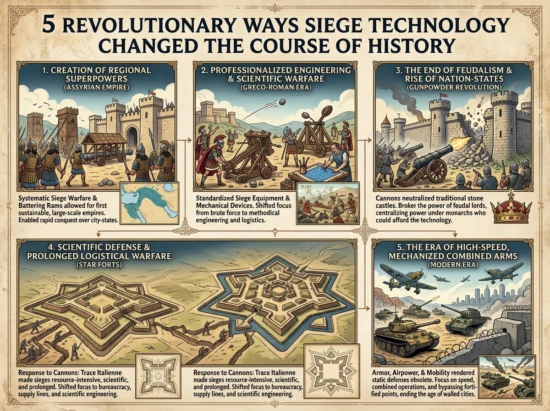
The earliest recorded evidence of warfare dates back to ancient civilizations, where armies would often clash using simple yet effective tactics. One of the most famous examples is the ancient Egyptian army, which used chariots and infantry to great effect in battles against their enemies. The ancient Egyptians were also skilled in siege warfare, using ramps and battering rams to breach enemy defenses.
Another notable example of ancient warfare is the Persian Empire, which was known for its massive armies and sophisticated logistics. The Persians used a combination of cavalry, infantry, and archers to devastating effect, and their armies were often so large that they would overwhelm their enemies through sheer numbers.
The Middle Ages: Knights and Castles
The Middle Ages saw the rise of chivalry and the development of armored knights, who would become a staple of medieval warfare. Knights were heavily armored, mounted on horseback, and equipped with lances and swords. They would charge into battle, using their armor and horses to break through enemy lines.
The castle also played a significant role in medieval warfare, as they provided a secure base of operations for armies to launch attacks from. Castles were often built with thick walls and moats, making them nearly impregnable to siege engines and other forms of attack.
The Age of Gunpowder: The Emergence of Modern Warfare
The invention of gunpowder in the 14th century marked the beginning of modern warfare. The first firearms were cumbersome and inaccurate, but they paved the way for the development of more sophisticated arms. The introduction of the musket in the 17th century allowed armies to fire multiple rounds in quick succession, revolutionizing the way battles were fought.
The use of artillery also became more widespread, with cannons and howitzers being used to blast enemy positions. The development of fortifications, such as bastions and redoubts, allowed armies to create strong defensive positions that could withstand even the most intense bombardment.
The Napoleonic Wars: The Rise of Mobility and Logistics
The Napoleonic Wars saw the rise of mobility and logistics as key factors in warfare. Napoleon’s armies were known for their speed and agility, using roads and railways to move quickly across the battlefield. The development of the railroad allowed armies to transport heavy artillery and supplies quickly and efficiently.
The use of cavalry also became more widespread, with the development of new breeds of horses and the introduction of the cavalry charge. The cavalry charge was a decisive tactic that allowed armies to break through enemy lines and create chaos on the battlefield.
The World Wars: The Advent of Modern Technology
The two World Wars saw the widespread use of modern technology in warfare. The introduction of tanks, aircraft, and submarines revolutionized the way battles were fought. The development of radar and sonar allowed armies to detect and track enemy positions, giving them a significant advantage.
The use of air power also became more widespread, with the development of bombers and fighter planes. The introduction of the atomic bomb in 1945 marked the beginning of the nuclear age, and the world would never be the same.
Conclusion
Throughout history, armies have employed different strategies and tactics to gain an advantage over their enemies. From the ancient Egyptians to the modern armies of today, there are many lessons that can be learned from the past. By studying how armies fought without modern technology, we can gain a deeper understanding of the complexities of warfare and the importance of adapting to new technologies.
FAQ
Q: What was the most significant technological innovation in the history of warfare?
A: The invention of gunpowder in the 14th century marked the beginning of modern warfare, allowing armies to fire multiple rounds in quick succession and revolutionizing the way battles were fought.
Q: Which ancient civilization was known for its massive armies and sophisticated logistics?
A: The Persian Empire was known for its massive armies and sophisticated logistics, using a combination of cavalry, infantry, and archers to devastating effect.
Q: What was the significance of the Napoleonic Wars in the history of warfare?
A: The Napoleonic Wars saw the rise of mobility and logistics as key factors in warfare, with Napoleon’s armies using roads and railways to move quickly across the battlefield and create chaos on the battlefield.
Q: What was the most significant technological innovation in the World Wars?
A: The introduction of radar and sonar allowed armies to detect and track enemy positions, giving them a significant advantage, while the use of air power and the development of bombers and fighter planes revolutionized the way battles were fought.
Q: What can be learned from studying how armies fought without modern technology?
A: By studying how armies fought without modern technology, we can gain a deeper understanding of the complexities of warfare and the importance of adapting to new technologies, allowing us to better prepare for the challenges of the future.