The Military Strategy of Alexander the Great
Introduction
Alexander the Great, the legendary king of Macedon, is widely regarded as one of the greatest military strategists in history. His lightning-fast conquests of Persia and beyond, spanning from Greece to India, left an indelible mark on the world. This article delves into the military strategy employed by Alexander, exploring the key factors that contributed to his unparalleled success.
The Early Years and the Macedonian Phalanx
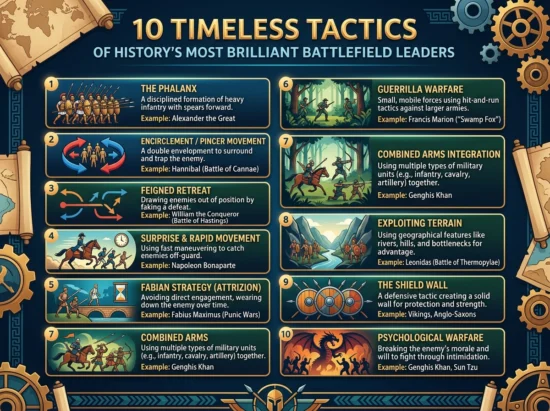
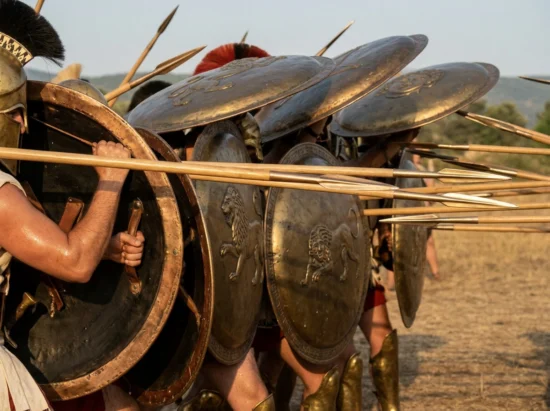
Alexander’s early life and military training under the tutelage of his father, King Philip II, laid the foundation for his future conquests. As a young prince, Alexander was exposed to the art of war and the tactics of the Macedonian phalanx, a tight formation of infantrymen armed with long spears. This formation was instrumental in Alexander’s early victories and would become a hallmark of his military strategy.
The Macedonian phalanx, also known as the “sarisasa” or “shower of spears,” was a dense formation of infantrymen who presented a wall of spears to the enemy, making it difficult for them to attack. The phalanx was incredibly effective against cavalry charges and was often used to devastating effect by Alexander’s troops.
Speed, Mobility, and Logistics
Alexander’s military strategy was characterized by his emphasis on speed, mobility, and logistics. He understood that the key to victory lay not only in the strength of his troops but also in their ability to move quickly and strike decisively. Alexander’s army was renowned for its speed and agility, allowing them to traverse vast distances and adapt to changing circumstances on the battlefield.
One of Alexander’s most innovative logistical achievements was his development of a mobile and self-sustaining army. He established a system of scouts, messengers, and supply chains that allowed his troops to remain on the move, even in the most inhospitable of territories. This enabled Alexander to maintain a constant pressure on his enemies, wear them down, and ultimately secure victory.
Cavalry and the Companion Cavalry
Alexander’s use of cavalry was another crucial element of his military strategy. He understood the importance of cavalry in modern warfare and developed the Companion Cavalry, an elite group of horsemen who were loyal only to him. The Companion Cavalry was trained to fight in close formation, using their speed and agility to outmaneuver the enemy and exploit any weaknesses in their lines.
Alexander’s cavalry was instrumental in securing key victories, particularly in the Battle of Gaugamela, where they played a decisive role in breaking through the Persian lines and securing a crushing victory.
The Role of Intelligence and Espionage
Alexander’s military strategy also placed a high value on intelligence gathering and espionage. He used spies and scouts to gather information about his enemies, their strengths, and their weaknesses. This allowed him to tailor his military strategy to suit the specific circumstances of each battle and to adapt to changing circumstances on the battlefield.
Alexander’s use of intelligence and espionage was particularly evident in his campaigns against the Persian Empire, where he used spies and scouts to gather information about the enemy’s movements and plans. This enabled him to stay one step ahead of his enemies and secure a series of crushing victories.
Conclusion
Alexander’s military strategy was a masterclass in the art of war, combining speed, mobility, logistics, and a deep understanding of the enemy’s strengths and weaknesses. His use of the Macedonian phalanx, cavalry, and intelligence gathering and espionage allowed him to secure a series of crushing victories, spanning from Greece to India. Alexander’s legacy continues to inspire military strategists to this day, and his military strategy remains a testament to his unparalleled genius as a commander.
FAQs
What was the significance of the Macedonian phalanx in Alexander’s military strategy?
The Macedonian phalanx was a dense formation of infantrymen who presented a wall of spears to the enemy, making it difficult for them to attack. This formation was instrumental in Alexander’s early victories and would become a hallmark of his military strategy.
How did Alexander’s use of cavalry contribute to his military success?
Alexander’s use of cavalry was crucial in securing key victories, particularly in the Battle of Gaugamela, where they played a decisive role in breaking through the Persian lines and securing a crushing victory. The Companion Cavalry, an elite group of horsemen who were loyal only to him, was trained to fight in close formation, using their speed and agility to outmaneuver the enemy and exploit any weaknesses in their lines.
What was the role of intelligence and espionage in Alexander’s military strategy?
Alexander’s military strategy placed a high value on intelligence gathering and espionage. He used spies and scouts to gather information about his enemies, their strengths, and their weaknesses. This allowed him to tailor his military strategy to suit the specific circumstances of each battle and to adapt to changing circumstances on the battlefield.
How did Alexander’s logistics and supply chains contribute to his military success?
Alexander’s logistics and supply chains were renowned for their speed and agility, allowing his troops to traverse vast distances and adapt to changing circumstances on the battlefield. He established a system of scouts, messengers, and supply chains that allowed his troops to remain on the move, even in the most inhospitable of territories. This enabled Alexander to maintain a constant pressure on his enemies, wear them down, and ultimately secure victory.