The Evolution of Battlefield Reconnaissance: A Historical Perspective
Introduction
Battlefield reconnaissance has been an integral component of military strategy for centuries. From ancient civilizations to modern-day militaries, the art of gathering information about an enemy’s position, strength, and movements has played a crucial role in determining the outcome of battles. This article delves into the history of battlefield reconnaissance, tracing its development from ancient times to the present day.
The Ancient Roots of Reconnaissance
The concept of reconnaissance dates back to ancient civilizations, where scouts and spies were employed to gather intelligence on enemy movements and positions. In ancient Greece, for example, scouts were used to gather information on enemy armies before the Battle of Marathon in 490 BCE. Similarly, in ancient Rome, scouts and spies were used to gather intelligence on enemy territories and armies.
One of the earliest recorded examples of reconnaissance is the use of scouts by the Assyrian Empire in the 7th century BCE. The Assyrians employed scouts to gather information on enemy armies and territories before launching military campaigns. This practice was continued by the Babylonians, who also used scouts to gather intelligence on enemy movements and positions.
The Middle Ages: The Rise of Espionage
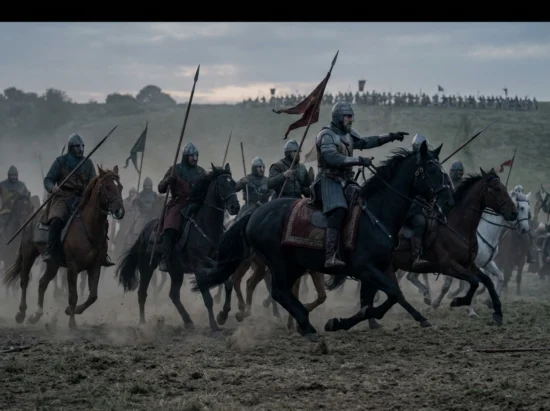
During the Middle Ages, espionage became a vital component of battlefield reconnaissance. The use of spies and scouts became widespread, with monarchs and nobles employing agents to gather information on enemy armies and territories. The Normans, for example, used spies to gather intelligence on the English army before the Battle of Hastings in 1066.
One of the most famous examples of medieval espionage is the use of spies by the French during the Hundred Years’ War. The French employed agents to gather information on English armies and territories, which helped them to launch successful campaigns against the English.
The Age of Sail: The Development of Modern Reconnaissance
With the advent of the Age of Sail, battlefield reconnaissance underwent significant changes. The development of modern ships and naval technology enabled military commanders to gather information on enemy movements and positions from a distance. The use of naval scouts and spies became widespread, with commanders employing agents to gather information on enemy ships and territories.
One of the most significant developments in the Age of Sail was the use of reconnaissance by the British Navy during the Napoleonic Wars. The British employed agents to gather information on French naval movements and positions, which helped them to launch successful campaigns against the French.
The Modern Era: The Use of Technology
With the advent of modern technology, battlefield reconnaissance underwent a significant transformation. The development of aerial photography, radar, and other technologies enabled military commanders to gather information on enemy movements and positions from a distance. The use of drones, satellites, and other surveillance systems became widespread, with commanders employing agents to gather information on enemy movements and positions.
One of the most significant developments in modern battlefield reconnaissance is the use of drones. The use of drones has enabled military commanders to gather information on enemy movements and positions in real-time, which has helped to launch successful campaigns against enemy forces.
Conclusion
Battlefield reconnaissance has come a long way since ancient times. From the use of scouts and spies to the use of modern technology, the art of gathering information on enemy movements and positions has played a crucial role in determining the outcome of battles. This article has explored the history of battlefield reconnaissance, tracing its development from ancient times to the present day.
FAQs
What is the primary purpose of battlefield reconnaissance?
The primary purpose of battlefield reconnaissance is to gather information on enemy movements and positions, which helps military commanders to make informed decisions about military campaigns.
How has battlefield reconnaissance evolved over time?
Battlefield reconnaissance has evolved significantly over time, from the use of scouts and spies in ancient times to the use of modern technology in the present day.
What is the role of drones in modern battlefield reconnaissance?
Drones play a significant role in modern battlefield reconnaissance, enabling military commanders to gather information on enemy movements and positions in real-time.
How does battlefield reconnaissance impact the outcome of battles?
Battlefield reconnaissance has a significant impact on the outcome of battles, helping military commanders to make informed decisions about military campaigns and launch successful attacks against enemy forces.
What are some of the challenges associated with battlefield reconnaissance?
Some of the challenges associated with battlefield reconnaissance include the risk of being detected by enemy forces, the need for secure communication systems, and the importance of analyzing and interpreting gathered intelligence.