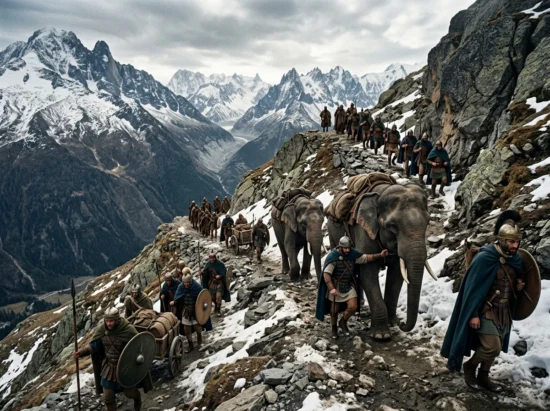
The Most Powerful Medieval Armies
A Glorious Era of Conquest and Conflict
The Middle Ages, spanning from the 5th to the 15th century, was a time of great turmoil and upheaval. It was an era of powerful empires, fierce battles, and legendary warriors. During this period, medieval armies emerged as the dominant force on the continent, shaping the course of history through their conquests, alliances, and rivalries. In this article, we will delve into the most powerful medieval armies, examining their strengths, weaknesses, and the impact they had on the world.
The Byzantine Empire: A Beacon of Power
The Byzantine Empire, also known as the Eastern Roman Empire, was one of the most powerful medieval armies in the Eastern world. Founded in 330 AD, the empire’s capital, Constantinople, was a major hub of trade, commerce, and military might. At its peak, the Byzantine Empire stretched from modern-day Turkey to Greece, and from Italy to the Black Sea. Its military prowess was unmatched, with a well-trained and well-equipped army that included the famous Varangian Guard, a unit of elite warriors from Scandinavia.
- Strengths: Well-trained and well-equipped army, strategic location, and a strong administrative system.
- Weaknesses: The empire’s vast territories and extensive trade networks made it vulnerable to attacks and raids.
The Mongol Empire: A Horde of Conquest
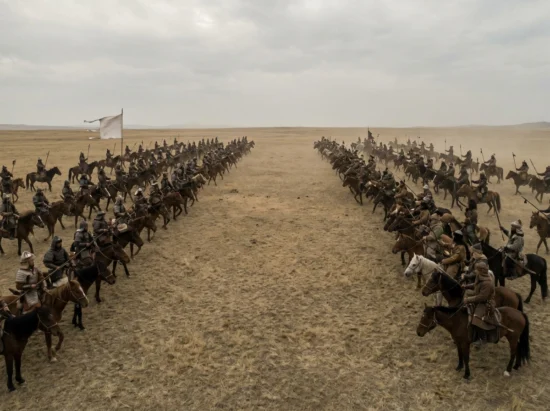
The Mongol Empire, founded by Genghis Khan in 1206 AD, was a force to be reckoned with. Its vast armies, comprising of Mongol, Turkic, and other ethnic groups, swept across vast territories, leaving a trail of destruction and conquest in their wake. The Mongols’ military tactics, including lightning-fast raids, clever use of spies, and the deployment of mobile archers, made them nearly invincible on the battlefield.
- Strengths: Highly mobile and flexible army, innovative tactics, and a strong organizational structure.
- Weaknesses: The empire’s vast territories and complex administrative system made it difficult to maintain unity and control.
The Holy Roman Empire: A Complex and Powerful Entity
The Holy Roman Empire, a loose confederation of states and cities, was a dominant force in Western Europe. Founded in 962 AD, the empire’s complex system of governance, comprising of kings, bishops, and nobles, made it a formidable opponent. Its military might was bolstered by the Holy Roman Army, a force that included knights, men-at-arms, and mercenaries. The empire’s strategic location, stretching from modern-day Germany to Italy, made it a key player in the medieval world.
- Strengths: Complex and powerful governance system, strategic location, and a strong military.
- Weaknesses: The empire’s complex governance system made it vulnerable to internal power struggles and external threats.
The Golden Horde: A Dark and Feared Power
The Golden Horde, a Mongol khanate, was a dark and feared force in the medieval world. Founded in 1241 AD, the horde’s army, comprising of Mongol and Turkic warriors, was known for its brutality and skill in battle. The Golden Horde’s military tactics, including lightning-fast raids and clever use of spies, made it a formidable opponent. Its strategic location, stretching from modern-day Russia to the Caucasus region, made it a key player in the medieval world.
- Strengths: Highly mobile and flexible army, innovative tactics, and a strong organizational structure.
- Weaknesses: The horde’s brutal tactics and lack of a unified administrative system made it vulnerable to internal power struggles and external threats.
The Knights Templar: A Chivalrous Order
The Knights Templar, a Christian military order, was a powerful force in the medieval world. Founded in 1118 AD, the order’s army, comprising of knights and men-at-arms, was known for its bravery and martial prowess. The Templars’ military tactics, including clever use of spies and deployment of mobile archers, made them a formidable opponent. Their strategic location, stretching from modern-day England to the Holy Land, made them a key player in the medieval world.
- Strengths: Well-trained and well-equipped army, strategic location, and a strong organizational structure.
- Weaknesses: The order’s complex governance system made it vulnerable to internal power struggles and external threats.
The Legacy of the Most Powerful Medieval Armies
The most powerful medieval armies left a lasting legacy on the world. Their conquests, alliances, and rivalries shaped the course of history, influencing the development of empires, states, and societies. The armies’ innovative tactics, including the deployment of mobile archers and clever use of spies, paved the way for modern military strategies. The legacy of these powerful forces can still be seen in the modern world, from the remnants of their fortifications to the echoes of their names in history books.
Conclusion
The most powerful medieval armies were a testament to the ingenuity, bravery, and martial prowess of their warriors. Their conquests, alliances, and rivalries shaped the course of history, leaving a lasting legacy on the world. From the Byzantine Empire to the Mongol Horde, and from the Holy Roman Empire to the Knights Templar, these powerful forces continue to fascinate and inspire us to this day.
FAQs
Q: What was the most powerful medieval army?
A: The Mongol Empire was arguably the most powerful medieval army, with a vast and well-trained army that swept across vast territories, leaving a trail of destruction and conquest in its wake.
Q: What were the key strengths of the Byzantine Empire?
A: The Byzantine Empire’s key strengths included its well-trained and well-equipped army, strategic location, and a strong administrative system.
Q: What were the weaknesses of the Holy Roman Empire?
A: The Holy Roman Empire’s weaknesses included its complex governance system, which made it vulnerable to internal power struggles and external threats.
Q: How did the Knights Templar contribute to the medieval world?
A: The Knights Templar contributed to the medieval world by developing innovative military tactics, including clever use of spies and deployment of mobile archers, which made them a formidable opponent on the battlefield.