Revolutionizing Medieval Warfare: The Impact of Crossbows
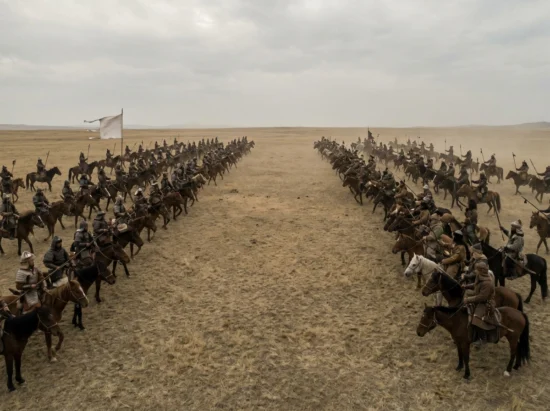
Medieval warfare, a period marked by brutal battles and makeshift tactics, underwent a significant transformation with the introduction of crossbows. This seemingly simple innovation had a profound impact on the way armies clashed on the battlefield. In this article, we will delve into the world of medieval warfare, exploring how crossbows changed the face of battle and the impact they had on the course of history.
The Rise of the Crossbow: A Game-Changer in Medieval Warfare
Originating from ancient China, the crossbow made its way to Europe through the Silk Road. Initially met with skepticism, it wasn’t long before the crossbow’s effectiveness became apparent. Its ability to propel projectiles with greater force and accuracy than traditional bows made it an attractive option for armies seeking to gain a tactical advantage.
Advantages of the Crossbow
The crossbow’s mechanical advantage allowed for greater power and range, making it an excellent choice for siege warfare and defensive positions. Its compact design and ease of use made it an ideal addition to any arsenal, while its relatively low cost made it accessible to even the most modest of armies.
Impact on Medieval Warfare
The introduction of the crossbow led to a significant shift in medieval warfare. Armies began to focus on defensive strategies, using the crossbow to devastating effect to repel enemy forces. Siege warfare became a crucial aspect of medieval combat, with the crossbow playing a key role in breaching enemy defenses.
The Decline of Traditional Archery
As the crossbow gained popularity, traditional archery began to decline. The increased accuracy and power of the crossbow made it a more reliable choice for armies, rendering the traditional bow obsolete. The shift in emphasis towards the crossbow led to a reduction in the number of skilled archers, a change that would have far-reaching consequences for medieval warfare.
The Rise of the Longbow
As the crossbow’s popularity grew, a counter-movement emerged in the form of the longbow. Originating in England, the longbow was a more advanced and powerful bow that rivaled the crossbow in terms of accuracy and range. Its use in the English army led to a resurgence in traditional archery, as armies sought to regain a tactical advantage.
The Battle of Crécy: A Turning Point in History
The Battle of Crécy, fought in 1346, marked a significant turning point in the use of crossbows. English longbowmen, armed with the advanced bow, clashed with French crossbowmen, demonstrating the superiority of the longbow in open-field combat. This battle cemented the longbow’s place in medieval warfare, paving the way for its widespread adoption.
The Legacy of the Crossbow
The crossbow’s impact on medieval warfare cannot be overstated. Its introduction marked a significant shift in the way armies clashed, with a focus on defensive strategies and siege warfare. The crossbow’s legacy can be seen in the development of more advanced firearms, which would eventually replace it as the primary means of propulsion on the battlefield.
FAQs
What was the primary advantage of the crossbow over traditional bows?
The crossbow’s mechanical advantage allowed for greater power and accuracy, making it an attractive option for armies seeking to gain a tactical advantage.
How did the crossbow affect the use of traditional archery in medieval warfare?
The introduction of the crossbow led to a decline in traditional archery, as armies began to focus on defensive strategies and siege warfare. The increased accuracy and power of the crossbow made it a more reliable choice for armies, rendering traditional archery less effective.
What was the significance of the Battle of Crécy in the use of crossbows?
The Battle of Crécy marked a significant turning point in the use of crossbows, as English longbowmen clashed with French crossbowmen and demonstrated the superiority of the longbow in open-field combat.
How did the crossbow contribute to the development of more advanced firearms?
The crossbow’s legacy can be seen in the development of more advanced firearms, which would eventually replace it as the primary means of propulsion on the battlefield. The mechanical advantage of the crossbow laid the groundwork for the development of more sophisticated firearms, which would go on to shape the course of modern warfare.
Conclusion
The introduction of the crossbow marked a significant turning point in medieval warfare, leading to a shift in emphasis towards defensive strategies and siege warfare. Its impact on the use of traditional archery and the development of more advanced firearms cannot be overstated. As we look back on the history of warfare, it is clear that the crossbow played a pivotal role in shaping the course of human conflict.