Intimidation Tactics in Warfare: A Historical Perspective
Throughout history, armies have employed various tactics to intimidate their enemies, hoping to break their spirits and gain a strategic advantage on the battlefield. In this article, we’ll delve into the world of psychological warfare, examining the different methods used to intimidate foes and the impact these tactics had on the outcome of conflicts.
The Use of Symbolic Displays
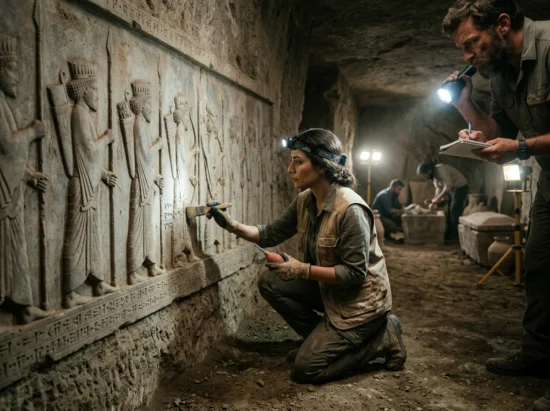
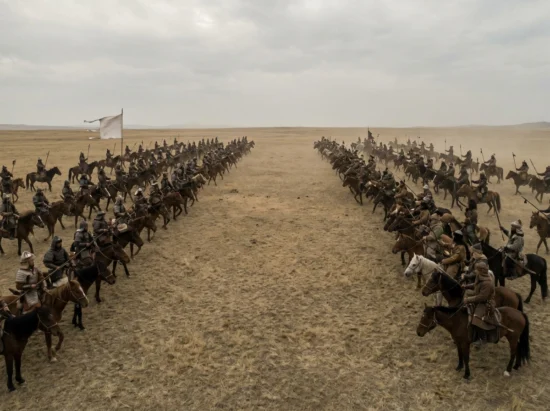
One of the earliest recorded instances of using symbolic displays to intimidate enemies can be found in ancient Mesopotamia. The Sumerians, Babylonians, and Assyrians would often display their military might by parading their troops in grand processions, showcasing their armor, horses, and other military equipment. This display of power was meant to instill fear in potential enemies, demonstrating the superior strength of the Mesopotamian armies.
Similarly, in ancient Greece, the Spartans would march their 100,000-strong phalanx formation through enemy territories, creating an intimidating spectacle that would strike fear into the hearts of their foes. This tactic, known as “demonstration by display,” was often used by the Spartans to assert their dominance and deter potential threats.
The Power of Appearances
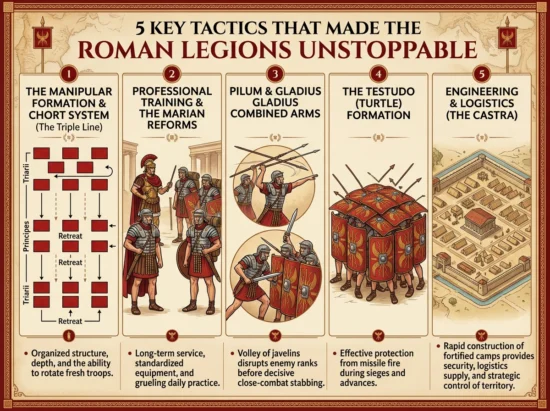
Appearences played a significant role in intimidating enemies. The use of elaborate uniforms, ornate armor, and regal symbols of power helped to create an aura of invincibility. In ancient Rome, the legions wore distinctive uniforms, adorned with symbols of their unit’s heritage and honor. This helped to instill a sense of pride and unity among the soldiers, as well as striking fear into the hearts of their enemies.
The Mongols, under the leadership of Genghis Khan, were known for their fearsome appearance. They wore black and white striped clothing, which helped to create an intimidating image. The Mongols’ use of war horses, which were often adorned with elaborate decorations, added to their fearsome reputation.
Psychological Warfare
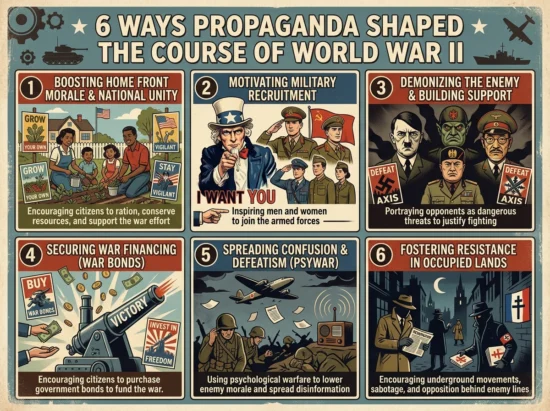
Psychological warfare, or “mind games,” has long been employed by armies to break the spirits of their enemies. The ancient Greeks used this tactic extensively, employing spies, scouts, and other agents to spread rumors, half-truths, and outright lies about their opponents. This would often create confusion, uncertainty, and fear among the enemy forces, making them more vulnerable to attack.
In the 17th century, the English used psychological warfare to great effect during the English Civil War. They would often spread rumors and propaganda about their opponents, portraying them as weak, ineffective, or even demonic. This tactic helped to create a sense of unease and uncertainty among the opposing forces, making it easier for the English to gain the upper hand.
Intimidation through Technology
Advances in technology have also been used to intimidate enemies. In World War II, the Germans developed the V-2 rocket, which was designed to be a symbol of their technological superiority. The V-2 was a highly advanced rocket, capable of delivering a payload of up to 2,000 pounds. The Germans hoped that the V-2 would instill fear in their enemies, demonstrating their technological prowess.
Similarly, in the 20th century, the Soviet Union developed the SS-20, a highly advanced ballistic missile. The SS-20 was designed to be a symbol of Soviet power and technological superiority. The Soviets hoped that the SS-20 would intimidate their enemies, demonstrating the capabilities of the Soviet military.
The Use of Mock Battles
Military historians have long noted the use of mock battles to intimidate enemies. In ancient China, the Han Dynasty used mock battles to test the strength of their troops and to intimidate potential enemies. The Han would often stage elaborate battles, featuring elaborate displays of military might, to demonstrate their power and strength.
Similarly, in the 19th century, the Prussians used mock battles to intimidate their enemies. The Prussians would often stage elaborate battles, featuring elaborate displays of military might, to demonstrate their power and strength. This tactic helped to create a sense of unease and uncertainty among the opposing forces, making it easier for the Prussians to gain the upper hand.
Conclusion
Throughout history, armies have employed various tactics to intimidate their enemies, hoping to break their spirits and gain a strategic advantage on the battlefield. From the use of symbolic displays to the power of appearances, psychological warfare to intimidation through technology, and the use of mock battles, these tactics have been used to create an aura of invincibility and to strike fear into the hearts of enemies.
As we can see, intimidation has long been a key component of military strategy. By employing various tactics to intimidate their enemies, armies have been able to gain an advantage on the battlefield and to achieve their strategic objectives.
Practical Applications of Intimidation in Warfare
Q: What are some modern-day applications of intimidation in warfare?
A: In modern warfare, intimidation is often employed through the use of advanced technology, such as drones and cyber warfare. These tactics can be used to create an aura of invincibility and to strike fear into the hearts of enemies.
Q: How can armies use intimidation to break the spirits of their enemies?
A: Armies can use intimidation to break the spirits of their enemies by employing various tactics, such as the use of psychological warfare, mock battles, and symbolic displays. These tactics can be used to create an aura of invincibility and to strike fear into the hearts of enemies.
Q: What are some historical examples of intimidation in warfare?
A: Historical examples of intimidation in warfare include the use of symbolic displays by the ancient Mesopotamians, the power of appearances by the Spartans, and the use of psychological warfare by the ancient Greeks.
Q: How can armies use intimidation to gain a strategic advantage on the battlefield?
A: Armies can use intimidation to gain a strategic advantage on the battlefield by employing various tactics, such as the use of psychological warfare, mock battles, and symbolic displays. These tactics can be used to create an aura of invincibility and to strike fear into the hearts of enemies.