How Medieval Kings Built Their Armies: A Study of Military Organization and Strategy
Introduction
Medieval kings were known for their military prowess, and their armies were a testament to their power and influence. However, building an effective army was not a simple task, requiring careful planning, strategic thinking, and a deep understanding of military organization and tactics. In this article, we will explore how medieval kings built their armies, examining the various factors that contributed to their success and the challenges they faced along the way.
Early Medieval Armies: The Rise of Feudalism
During the early Middle Ages, the armies of medieval kings were largely composed of feudal levies, made up of knights, vassals, and other nobles who owed military service to their lords. These armies were often small and lightly armored, relying on the mobility and martial prowess of their cavalry to outmaneuver and defeat their enemies. The rise of feudalism, however, led to the development of more complex military systems, with kings and nobles creating elaborate networks of vassals and retainers who provided military service in exchange for land and other rewards.
As the Middle Ages progressed, the armies of medieval kings became increasingly centralized, with kings and nobles employing permanent, salaried soldiers to supplement their feudal levies. These soldiers, often drawn from the lower classes, were typically poorly trained and equipped, but they formed the backbone of medieval armies and allowed kings to project power and maintain control over their territories.
The Role of Castles and Fortifications
Medieval kings also invested heavily in the construction of castles and fortifications, which played a crucial role in their military strategies. These fortified strongholds served as centers of power, allowing kings to control the surrounding countryside and project their authority over their subjects. Castles were also key components of medieval armies, providing secure bases for troops to assemble, train, and launch attacks against their enemies.
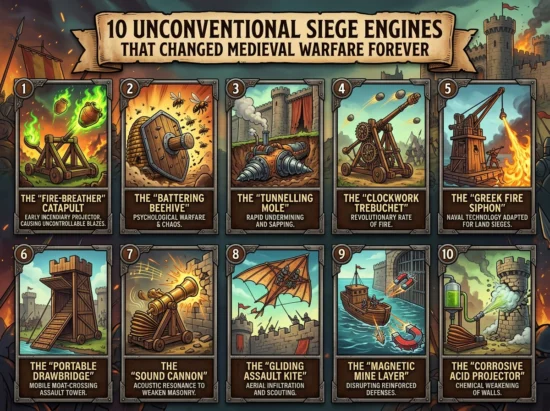
Castles and fortifications were often built in strategic locations, such as hilltops, river crossings, and coastal areas, where they could control key routes and chokepoints. They were typically equipped with elaborate defenses, including moats, walls, and gates, which were designed to withstand siege engines and other forms of attack. In addition to their military significance, castles and fortifications also served as centers of administration, providing a secure location for kings and nobles to collect taxes, conduct justice, and govern their subjects.
The Importance of Mercenaries and Condottieri
Medieval kings also relied heavily on mercenaries and condottieri, who were professional soldiers who fought for pay rather than loyalty or obligation. These soldiers, often drawn from Italy and other parts of Europe, were highly skilled and experienced, but they were also notorious for their lack of discipline and loyalty. Despite these drawbacks, mercenaries and condottieri played a crucial role in medieval armies, providing kings with the military muscle they needed to project power and maintain control over their territories.
The use of mercenaries and condottieri was particularly significant during the 14th and 15th centuries, when many medieval kingdoms faced significant military challenges, including the Black Death and the rise of rival powers like the Ottoman Empire. In these circumstances, kings and nobles often turned to mercenaries and condottieri to supplement their feudal levies and provide the military muscle they needed to survive and thrive.
Conclusion
Medieval kings built their armies through a combination of feudal levies, centralized military systems, and the use of mercenaries and condottieri. These armies were often complex and multifaceted, requiring careful planning, strategic thinking, and a deep understanding of military organization and tactics to succeed. Despite the challenges they faced, medieval kings were able to build powerful and effective armies, which played a crucial role in their military strategies and allowed them to project power and maintain control over their territories.
FAQs
What were the key factors that contributed to the success of medieval armies?
Medieval armies were successful due to a combination of factors, including the rise of feudalism, the development of centralized military systems, and the use of mercenaries and condottieri. These factors allowed kings to project power, maintain control over their territories, and respond effectively to military challenges.
What was the role of castles and fortifications in medieval armies?
Castles and fortifications played a crucial role in medieval armies, serving as centers of power, secure bases for troops to assemble, train, and launch attacks against their enemies. They were often built in strategic locations, such as hilltops, river crossings, and coastal areas, where they could control key routes and chokepoints.
How did medieval kings recruit and train their armies?
Medieval kings recruited and trained their armies through a combination of feudal levies, centralized military systems, and the use of mercenaries and condottieri. They also invested in the construction of castles and fortifications, which provided secure bases for troops to assemble, train, and launch attacks against their enemies.
What were the challenges faced by medieval kings in building their armies?
Medieval kings faced significant challenges in building their armies, including the rise of rival powers, the Black Death, and the decline of feudalism. They also faced logistical and administrative challenges, including the need to recruit and train troops, provide for their equipment and supplies, and maintain control over their territories.