How Alexander Built His Powerful Army
The Conquest of Persia and the Formation of a Professional Army
Alexander III of Macedon, commonly known as Alexander the Great, is one of the most fascinating and influential leaders in history. Born in 356 BCE in Pella, Macedonia, Alexander succeeded his father Philip II to the throne at the age of 20. His ambition to conquer the vast Persian Empire and spread Greek culture throughout the ancient world drove him to build a powerful army that would become the greatest the world had ever seen.
In 336 BCE, Alexander’s father was assassinated, and he became king. Alexander’s first goal was to solidify his power in Macedonia and secure the loyalty of his nobles. He did this by executing the assassins, eliminating potential rivals, and creating a new elite corps of infantry, the Hypaspists. These elite soldiers were trained to be highly disciplined, mobile, and effective in battle.
Alexander’s next step was to reform the Macedonian army into a professional force. He drew inspiration from the Persians, adopting some of their tactics and equipment, but also retaining the best of Macedonian traditions. The result was a highly mobile, adaptable, and effective force that could overcome the enemy’s strongest defenses.
The Composition of Alexander’s Army
At the core of Alexander’s army were the Macedonian infantry, consisting of the Hypaspists and the pezhetairoi (the “shock troops”). These elite soldiers were handpicked for their strength, agility, and fighting prowess. They wore light armor, carried long spears, and wielded the feared Macedonian xyston, a type of short sword.
The Macedonian cavalry, known as the Companion Cavalry, were the backbone of Alexander’s army. They were the most elite cavalry in the ancient world, highly trained, and extremely effective in battle. The Companion Cavalry were divided into three units: the Agrianians, the Paeonians, and the Macedonians. Each unit was led by a highly experienced and skilled leader.
The phalanx formation, used by the Macedonians, was a highly effective tactical innovation. The phalanx was a dense, tight formation of long spears, held by the infantrymen, which created a wall of points that was almost impenetrable. This formation allowed the Macedonians to withstand the enemy’s cavalry charges and protect their flanks.
The Importance of Logistics and Supply
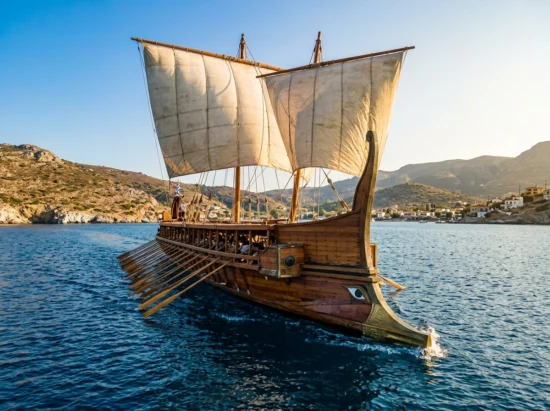
Logistics and supply were crucial to the success of Alexander’s army. He invested heavily in the development of a sophisticated network of roads, bridges, and supply depots. The Macedonians built a fleet of ships to transport their army across the Aegean and the Hellespont. They also established a system of requisitioning food, water, and other essential supplies from the conquered territories.
Alexander’s army was also supported by a highly effective system of messengers and scouts. These messengers and scouts allowed Alexander to stay informed about the enemy’s movements, the terrain, and the weather, making it easier to plan and execute his campaigns.
Conclusion
Alexander’s army was a masterpiece of military organization and strategy. The combination of the Macedonian infantry, the Companion Cavalry, and the phalanx formation made it almost invincible on the battlefield. The importance of logistics and supply, as well as the effective use of messengers and scouts, allowed Alexander to stay one step ahead of his enemies and achieve his ambitious goals.
FAQs
Q: What was the significance of the Companion Cavalry in Alexander’s army?
The Companion Cavalry were the backbone of Alexander’s army, highly trained, and extremely effective in battle. They were divided into three units: the Agrianians, the Paeonians, and the Macedonians, each led by a highly experienced and skilled leader.
Q: What was the role of the Hypaspists in Alexander’s army?
The Hypaspists were an elite corps of infantry, trained to be highly disciplined, mobile, and effective in battle. They were handpicked for their strength, agility, and fighting prowess, and wore light armor, carried long spears, and wielded the feared Macedonian xyston.
Q: How did Alexander’s army adapt to the enemy’s strongest defenses?
Alexander’s army adopted some of the enemy’s tactics and equipment, but also retained the best of Macedonian traditions. The result was a highly mobile, adaptable, and effective force that could overcome the enemy’s strongest defenses.
Q: What was the significance of logistics and supply in Alexander’s army?
Logistics and supply were crucial to the success of Alexander’s army. He invested heavily in the development of a sophisticated network of roads, bridges, and supply depots, and established a system of requisitioning food, water, and other essential supplies from the conquered territories.