The Macedonian Phalanx Explained
The Macedonian phalanx was a type of infantry formation used by the ancient Macedonians, particularly during the 4th century BCE. It played a crucial role in the conquests of Philip II and his son Alexander the Great, enabling them to expand their empire and leave a lasting legacy in the ancient world.
Origins and Development
The phalanx originated in the 5th century BCE, when the city-states of ancient Greece were plagued by civil wars and external threats. The phalanx was developed by the Greeks as a way to counter the threat of cavalry, which was a major force on the battlefield at the time. The phalanx was a dense, rectangular formation of soldiers, with the most skilled and heavily armored warriors at the front, followed by a series of layers of less experienced soldiers. The phalanx was designed to present a wall of shields to the enemy, protecting the soldiers within and allowing them to attack in a cohesive and powerful manner.
The Key Elements of the Phalanx
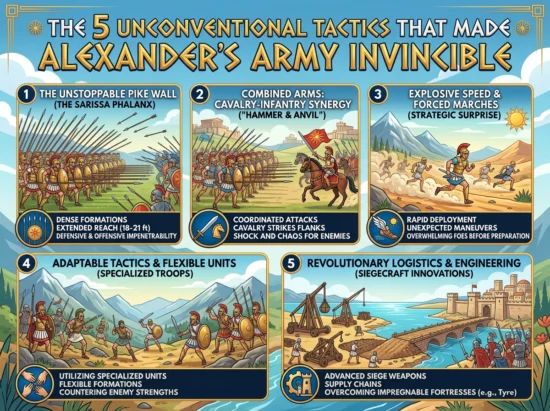
- Shield Wall: The phalanx relied on a dense formation of soldiers, with each soldier holding a long, narrow shield in front of them. This created a wall of shields that the enemy could not penetrate, and allowed the soldiers within to attack with relative safety.
- Long Spears: The soldiers in the phalanx were equipped with long, heavy spears, known as pikes. These were used to attack the enemy from a distance, and to hold them off while the phalanx advanced.
- Discipline: The phalanx was a highly disciplined formation, with each soldier expected to follow the orders of their superiors without hesitation. This discipline allowed the phalanx to present a united front to the enemy, and to execute complex maneuvers on the battlefield.
The Advantages of the Phalanx
The phalanx had several key advantages that made it a powerful force on the battlefield. These included:
- Protection: The shield wall of the phalanx provided excellent protection for the soldiers within, making it difficult for the enemy to penetrate the formation.
- Discipline: The discipline of the phalanx allowed it to execute complex maneuvers on the battlefield, such as a rapid advance or a sudden retreat.
- Power: The phalanx was a highly powerful formation, capable of delivering a devastating blow to the enemy. The long spears of the phalanx allowed it to attack from a distance, and the shield wall provided a solid foundation for the soldiers to advance upon.
The Macedonian Phalanx
The Macedonian phalanx was a development of the original phalanx formation, with several key improvements that made it an even more powerful force on the battlefield. These improvements included:
- Longer Spears: The Macedonian phalanx was equipped with longer spears than the original phalanx, allowing it to attack from a greater distance and to hold the enemy off more effectively.
- Improved Discipline: The Macedonian phalanx was renowned for its discipline, with each soldier expected to follow the orders of their superiors without hesitation. This discipline allowed the phalanx to execute complex maneuvers on the battlefield, and to present a united front to the enemy.
- Increased Protection: The Macedonian phalanx was equipped with a larger shield than the original phalanx, providing even greater protection for the soldiers within. This increased protection allowed the phalanx to advance more confidently, and to hold the enemy off more effectively.
The Legacy of the Macedonian Phalanx
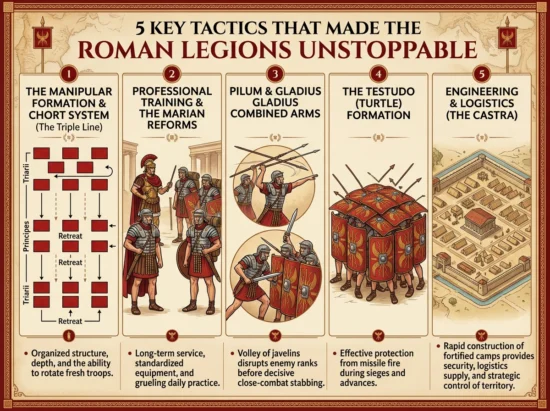
The Macedonian phalanx had a lasting legacy in the ancient world, with its influence extending far beyond the conquests of Philip II and Alexander the Great. The phalanx was adopted by other armies in the ancient world, including the Romans and the Egyptians, and it continued to be used as a powerful force on the battlefield for centuries to come.
FAQ
Q: What was the primary function of the phalanx?
A: The primary function of the phalanx was to present a wall of shields to the enemy, protecting the soldiers within and allowing them to attack in a cohesive and powerful manner.
Q: How did the Macedonian phalanx differ from the original phalanx?
A: The Macedonian phalanx was equipped with longer spears than the original phalanx, and it had a larger shield. The Macedonian phalanx was also renowned for its discipline, with each soldier expected to follow the orders of their superiors without hesitation.
Q: What were the key advantages of the phalanx?
A: The phalanx had several key advantages, including protection, discipline, and power. The shield wall of the phalanx provided excellent protection for the soldiers within, while the discipline of the phalanx allowed it to execute complex maneuvers on the battlefield. The long spears of the phalanx allowed it to attack from a distance, and the shield wall provided a solid foundation for the soldiers to advance upon.
Q: Why was the phalanx so effective on the battlefield?
A: The phalanx was effective on the battlefield because of its combination of protection, discipline, and power. The shield wall of the phalanx provided excellent protection for the soldiers within, while the discipline of the phalanx allowed it to execute complex maneuvers on the battlefield. The long spears of the phalanx allowed it to attack from a distance, and the shield wall provided a solid foundation for the soldiers to advance upon.
Conclusion
The Macedonian phalanx was a highly effective formation that played a crucial role in the conquests of Philip II and Alexander the Great. Its combination of protection, discipline, and power made it a powerful force on the battlefield, and its influence extended far beyond the ancient world. The phalanx remains an important part of military history, and its legacy continues to be felt today.