How Forests Became Natural Battlefields
Human history is replete with tales of war, conquest, and the clash of civilizations. While these narratives are often relegated to the realm of history books, there exists a lesser-known, yet equally compelling, chapter in the story of human conflict: the role of forests as natural battlefields. These verdant landscapes have witnessed the rise and fall of empires, the birth of new nations, and the brutal suppression of indigenous populations. In this article, we will delve into the complex history of forests as battlefields, exploring the intricate web of human and environmental factors that have shaped this phenomenon.
The Ancient Roots of Forest Warfare
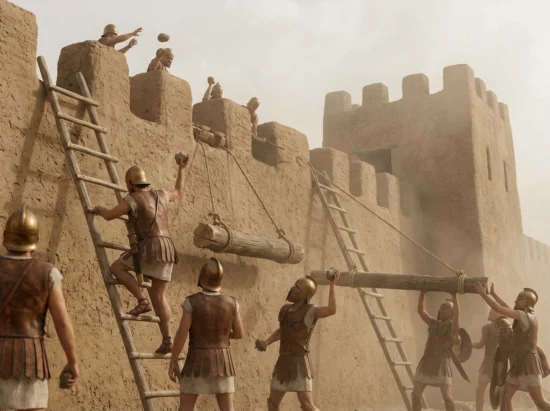
The earliest recorded instances of forest warfare date back to ancient civilizations in the Middle East and Asia. In these regions, forests were not only a source of sustenance and resources but also a contested territory, with various groups vying for control. The ancient Sumerians, for example, fought numerous wars over the control of the sacred forest of Eridu, which was believed to be the dwelling place of the god Enki. Similarly, the ancient Indus Valley Civilization’s conflict over the sacred forest of Mohenjo-Daro was a pivotal factor in the decline of this once-great civilization.
As human societies evolved, so did the nature of forest warfare. The rise of empires and the expansion of agriculture led to the clearing of forests for agricultural land and the establishment of settlements. However, these cleared lands often became hotbeds of conflict as rival groups sought to control the remaining resources. The ancient Greeks, for instance, fought numerous wars over the control of the sacred forest of Dodona, which was believed to be the dwelling place of the god Zeus.
The Medieval Period: Forests as a Source of Wealth
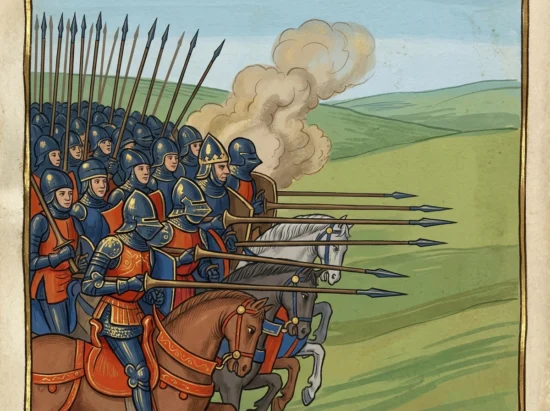
During the Middle Ages, forests became a source of wealth and power for the ruling classes. The clearing of forests for agricultural purposes and the establishment of settlements led to the creation of new landowning classes. These landowners often saw forests as a means to increase their wealth and power, leading to the expansion of agriculture and the displacement of indigenous populations. The medieval period also saw the rise of the feudal system, where lords granted lands to vassals in exchange for military service. These lands were often located in forests, which became a source of contention between the lord and his vassals.
The medieval period also saw the rise of the concept of “forest law,” which governed the use of forests and the rights of various groups to access these resources. However, this concept was often used as a pretext for the suppression of indigenous populations and the expansion of agricultural land. The forests of medieval Europe, for example, were often cleared for agricultural purposes, leading to the displacement of the indigenous Celtic and Germanic populations.
The Modern Period: Forests as a Source of Conflict
The modern period has seen the rise of nation-states and the expansion of industrial agriculture. However, this period has also seen the rise of new forms of conflict over forests. The colonial period, for example, saw the displacement of indigenous populations and the expansion of agricultural land. The forests of Africa, Asia, and the Americas became a source of conflict between colonizers and indigenous populations, as well as between rival colonial powers.
Today, forests continue to be a source of conflict. The expansion of industrial agriculture has led to the clearing of forests for agricultural purposes, while the rise of sustainable forestry practices has created new tensions between logging companies and environmental groups. The forests of the Amazon, the Congo, and the Indonesian archipelago have all become battlegrounds in the struggle for control over these resources.
The Human and Environmental Factors Shaping Forest Warfare
So why have forests become natural battlefields? There are several human and environmental factors at play. First, forests have long been a source of sustenance and resources for human societies. The clearing of forests for agricultural purposes has led to the displacement of indigenous populations and the expansion of agricultural land. Second, the rise of nation-states and the expansion of industrial agriculture have created new forms of conflict over forests. Finally, the concept of “forest law” has often been used as a pretext for the suppression of indigenous populations and the expansion of agricultural land.
Conclusion
Forests have long been a source of conflict, with various groups vying for control over these resources. The complex history of forest warfare is a testament to the intricate web of human and environmental factors that have shaped this phenomenon. As we move forward, it is essential that we recognize the importance of forests as a source of conflict and take steps to mitigate these tensions. By understanding the human and environmental factors at play, we can work towards a more sustainable and equitable future for all.
FAQs
Q: What is the role of forests in ancient warfare?
A: In ancient civilizations, forests were often a contested territory, with various groups vying for control. The ancient Sumerians, for example, fought numerous wars over the control of the sacred forest of Eridu, which was believed to be the dwelling place of the god Enki.
Q: How did the medieval period see the rise of forest warfare?
A: During the Middle Ages, forests became a source of wealth and power for the ruling classes. The clearing of forests for agricultural purposes and the establishment of settlements led to the creation of new landowning classes, which often saw forests as a means to increase their wealth and power.
Q: What is the significance of forest law in shaping forest warfare?
A: The concept of “forest law” has often been used as a pretext for the suppression of indigenous populations and the expansion of agricultural land. This concept governed the use of forests and the rights of various groups to access these resources, but it has often been used to justify the displacement of indigenous populations and the expansion of agricultural land.
Q: How can we mitigate the tensions surrounding forest warfare?
A: To mitigate these tensions, it is essential that we recognize the importance of forests as a source of conflict and take steps to promote sustainable and equitable use of these resources. This can involve working with local communities to establish sustainable forestry practices, promoting the rights of indigenous populations, and recognizing the importance of forests as a source of conflict in human history.