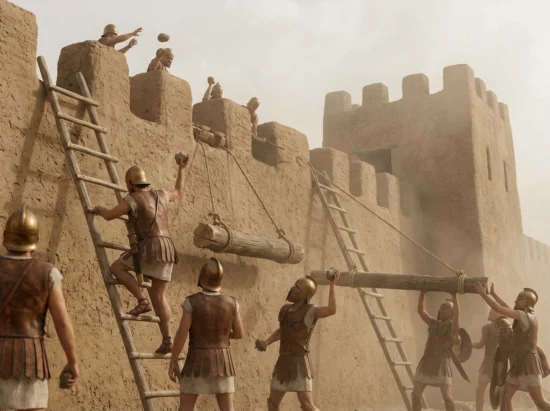
The Rise of Professional Warriors
A New Era in Conflict and Peacekeeping
For centuries, the concept of warfare has been shaped by the emergence of new technologies, tactics, and strategies. In recent years, a new trend has emerged: the rise of professional warriors. These individuals, often employed by private military companies (PMCs) or government agencies, have transformed the face of modern conflict and peacekeeping.
The Evolution of Warfare
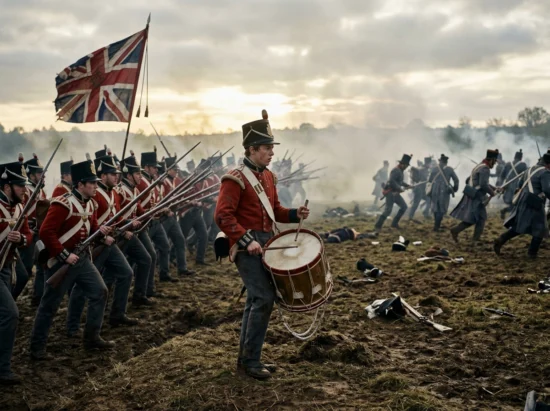
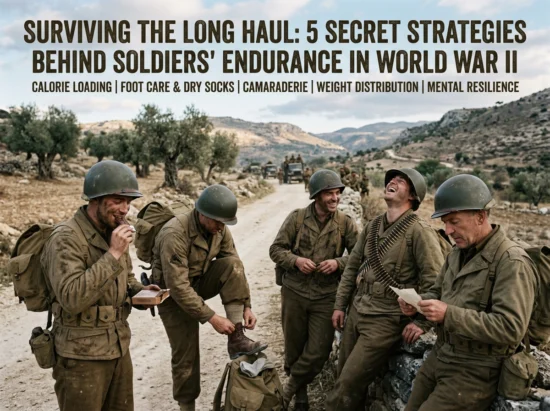
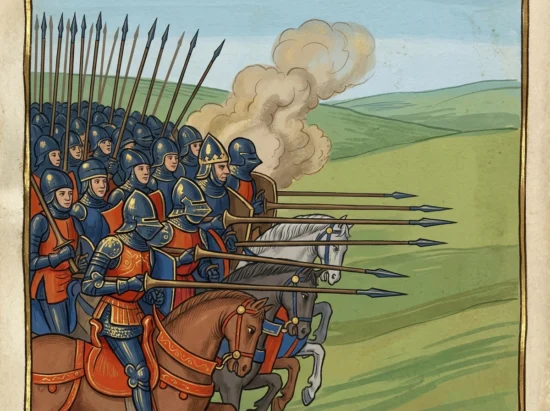
Warfare has undergone significant changes throughout history. From the ancient armies of Greece and Rome to the mechanized warfare of World War I and II, and the counterinsurgency tactics of the 20th century, military strategies have adapted to the times. The rise of professional warriors marks a significant shift in the way conflicts are fought and resolved.
The Rise of Private Military Companies
PMCs have become a significant player in the world of modern warfare. These companies offer a range of services, from security and logistics to training and combat operations. PMCs have been involved in various conflicts, including the Iraq War, the Libyan Civil War, and the Syrian Civil War. The most notable PMC is undoubtedly Blackwater, which has been involved in numerous high-profile operations.
The Benefits of Professional Warriors
Professional warriors offer several advantages over traditional military forces. Firstly, they can operate in a more agile and flexible manner, allowing for greater adaptability in complex and dynamic environments. Secondly, they can provide specialized skills and expertise that may not be available within government forces. Lastly, PMCs can offer a more cost-effective solution for governments and corporations looking to protect their interests abroad.
The Challenges of Professional Warriors
However, the rise of professional warriors also raises several concerns. One of the primary issues is the lack of accountability and transparency. PMCs often operate in a gray area, outside the purview of traditional military law and regulations. This can lead to a lack of accountability for actions taken by these forces. Additionally, the use of mercenaries can perpetuate a culture of violence and undermine the legitimacy of peacekeeping efforts.
The Future of Professional Warriors
As the world becomes increasingly complex and interconnected, the demand for professional warriors is likely to continue growing. Governments and corporations will need to adapt to this new reality, finding ways to integrate PMCs into their operations while ensuring accountability and transparency. The future of warfare will be shaped by the emergence of new technologies, such as drones and artificial intelligence, which will further blur the lines between traditional military forces and PMCs.
The Role of Governments and Corporations
As the use of professional warriors becomes more widespread, governments and corporations must take a proactive approach to regulating and overseeing the activities of PMCs. This can include establishing clear guidelines and protocols for the use of force, as well as ensuring that PMCs are held accountable for their actions. Additionally, governments and corporations must consider the long-term implications of relying on professional warriors, including the potential risks to regional stability and the perpetuation of a culture of violence.
Conclusion
The rise of professional warriors marks a significant shift in the way conflicts are fought and resolved. As this trend continues to grow, governments and corporations must adapt to the changing landscape of modern warfare. By understanding the benefits and challenges of professional warriors, we can work towards a more stable and secure future, where the use of force is guided by clear principles and accountability.
FAQ
Q: What is the difference between a professional warrior and a traditional soldier?
A: A professional warrior is typically employed by a private military company (PMC) or government agency, whereas a traditional soldier serves in a government‘s military forces. Professional warriors often operate in a more agile and flexible manner, offering specialized skills and expertise that may not be available within government forces.
Q: Are professional warriors accountable for their actions?
A: The accountability of professional warriors is often a concern. PMCs may operate in a gray area, outside the purview of traditional military law and regulations. This can lead to a lack of accountability for actions taken by these forces. Governments and corporations must take a proactive approach to regulating and overseeing the activities of PMCs to ensure accountability and transparency.
Q: What are the benefits of hiring professional warriors?
A: Professional warriors offer several advantages over traditional military forces. They can operate in a more agile and flexible manner, providing specialized skills and expertise that may not be available within government forces. Additionally, PMCs can offer a more cost-effective solution for governments and corporations looking to protect their interests abroad.
Q: Can professional warriors perpetuate a culture of violence?
A: Yes, the use of mercenaries can perpetuate a culture of violence and undermine the legitimacy of peacekeeping efforts. Governments and corporations must consider the long-term implications of relying on professional warriors, including the potential risks to regional stability and the perpetuation of a culture of violence.
Q: How will the rise of professional warriors shape the future of warfare?
A: The future of warfare will be shaped by the emergence of new technologies, such as drones and artificial intelligence, which will further blur the lines between traditional military forces and PMCs. Governments and corporations must adapt to this new reality, finding ways to integrate PMCs into their operations while ensuring accountability and transparency.