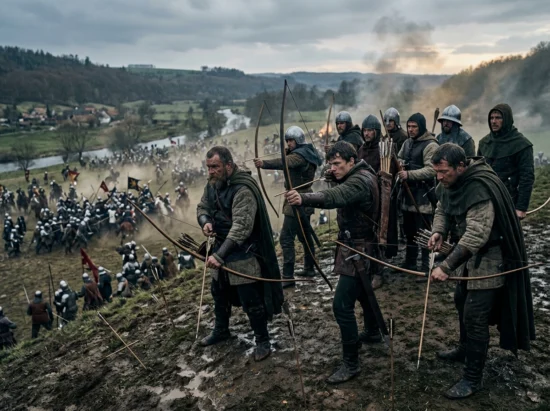
The Military Strategy of Ancient Greece
A Comprehensive Overview
The ancient Greeks were known for their innovative and effective military strategies, which played a significant role in their conquests and dominance over various regions. The military strategy of ancient Greece was shaped by the city-states’ unique cultural, social, and geographical characteristics. In this article, we will delve into the various aspects of ancient Greek military strategy, exploring its key components, notable battles, and the impact of these strategies on the course of history.
Key Components of Ancient Greek Military Strategy
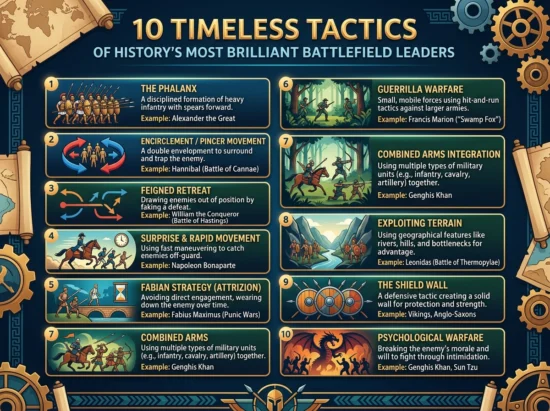
The ancient Greeks employed a range of military strategies, including the phalanx formation, which involved a dense line of heavily armored infantrymen. This formation allowed for a high degree of protection and enabled the Greeks to maintain their position on the battlefield. The phalanx formation was particularly effective against cavalry charges, which were a common tactic employed by their enemies.
Another crucial component of ancient Greek military strategy was the use of pike-wielding infantrymen. The pike was a long, heavy spear that provided an advantage in terms of reach and protection. The pike-wielding infantrymen were often stationed at the front of the phalanx formation, providing a protective screen for the more lightly armored soldiers behind them.
The ancient Greeks also made use of various tactics to exploit the weaknesses of their enemies. For example, they would often employ a strategy known as the “oblique order,” where they would deploy their troops at an angle to the enemy line. This tactic allowed the Greeks to take advantage of the enemy’s exposed flanks and break through their lines.
Notable Battles and Their Impact
One of the most significant battles in ancient Greek history was the Battle of Marathon, fought in 490 BCE. The Greeks, led by Miltiades, were able to defeat the invading Persian army, which had been attempting to conquer Greece. The Battle of Marathon was a decisive victory for the Greeks, as it prevented the Persians from establishing a foothold on Greek soil.
Another notable battle was the Battle of Thermopylae, fought in 480 BCE. A small contingent of Greek soldiers, led by King Leonidas, was able to hold off the invading Persian army for several days, despite being vastly outnumbered. Although the Greeks ultimately succumbed to the Persians, their bravery and sacrifice at Thermopylae became a legendary example of Greek martial spirit.
The Battle of Plataea, fought in 479 BCE, was another significant conflict in ancient Greek history. The Greeks, led by the Spartans, were able to defeat the Persians, marking a decisive turning point in the Greco-Persian Wars. The Battle of Plataea was a testament to the Greeks’ ability to adapt and improve their military strategies over time.
The Impact of Ancient Greek Military Strategy on History
The military strategy of ancient Greece had a profound impact on the course of history. The innovative tactics and technologies developed by the Greeks, such as the phalanx formation and the use of pikes, influenced the development of military strategy in subsequent civilizations. The Greeks’ emphasis on discipline, training, and logistics also set a high standard for military organization and tactics.
Furthermore, the ancient Greeks’ military strategy played a significant role in shaping the cultural and social landscape of the Mediterranean world. The Greeks’ military prowess and their emphasis on martial virtues, such as courage and honor, helped to create a cultural identity that was distinct from their enemies and rivals.
Legacy of Ancient Greek Military Strategy
The legacy of ancient Greek military strategy can be seen in the development of modern military tactics and technologies. The phalanx formation, for example, influenced the development of modern infantry tactics, while the use of pikes and other long-range weapons continues to shape the design of modern military equipment.
Furthermore, the emphasis on discipline, training, and logistics that characterized ancient Greek military strategy has been adopted by modern militaries around the world. The importance of logistics and supply chain management, for example, has been recognized as a critical component of modern military strategy.
Conclusion
The military strategy of ancient Greece was a complex and multifaceted phenomenon that played a significant role in shaping the course of history. The innovative tactics and technologies developed by the Greeks, such as the phalanx formation and the use of pikes, influenced the development of military strategy in subsequent civilizations. The emphasis on discipline, training, and logistics that characterized ancient Greek military strategy continues to shape the development of modern military tactics and technologies.
FAQ
Q: What was the significance of the phalanx formation in ancient Greek military strategy?
The phalanx formation was a dense line of heavily armored infantrymen that provided a high degree of protection and enabled the Greeks to maintain their position on the battlefield. The phalanx formation was particularly effective against cavalry charges, which were a common tactic employed by their enemies.
Q: How did the ancient Greeks use pike-wielding infantrymen in their military strategy?
The pike-wielding infantrymen were often stationed at the front of the phalanx formation, providing a protective screen for the more lightly armored soldiers behind them. The pike was a long, heavy spear that provided an advantage in terms of reach and protection.
Q: What was the impact of the Battle of Marathon on ancient Greek history?
The Battle of Marathon was a decisive victory for the Greeks, as it prevented the Persians from establishing a foothold on Greek soil. The Battle of Marathon marked a significant turning point in the Greco-Persian Wars and demonstrated the effectiveness of the phalanx formation in ancient Greek military strategy.
Q: How did the ancient Greeks’ emphasis on discipline, training, and logistics shape the course of history?
The emphasis on discipline, training, and logistics that characterized ancient Greek military strategy had a profound impact on the course of history. The Greeks’ innovative tactics and technologies, such as the phalanx formation and the use of pikes, influenced the development of military strategy in subsequent civilizations.