How Mongol Cavalry Changed Warfare
The Rise of the Mongol Empire
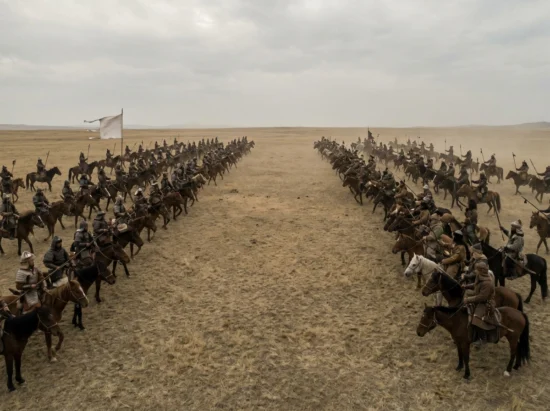
The Mongol Empire, under the leadership of Genghis Khan and his successors, was a force to be reckoned with in the 13th century. Their military prowess was unmatched, and their cavalry was the backbone of their army. The Mongols were skilled horsemen, and their cavalry units were organized into smaller groups, known as kheshigs, which were typically made up of 10-20 warriors.
The Impact of Mongol Cavalry on Warfare
The Mongols’ use of cavalry revolutionized warfare in several ways:
- Speed and Mobility**: Mongol cavalry was incredibly fast and agile, allowing them to quickly move across vast distances and strike at enemy forces from unexpected angles.
- Firepower**: Mongol archers, who rode alongside their cavalry, provided a deadly hail of arrows that could decimate enemy formations.
- Intelligence Gathering**: Mongol scouts, often disguised as merchants or travelers, would gather information about enemy positions, numbers, and movements, allowing the Mongols to plan their attacks with precision.
- Psychological Warfare**: The Mongols’ use of terror tactics, such as massed arrow attacks and lightning-fast raids, would leave enemy forces demoralized and disorganized.
The Consequences of Mongol Cavalry on Battle Tactics
As the Mongols’ military prowess spread, their opponents were forced to adapt and innovate their own tactics to counter the Mongol cavalry. This led to a series of significant changes in battle tactics:
- Formation Changes**: Armies began to adopt more flexible and mobile formations, such as the phalanx, to counter the Mongols’ lightning-fast cavalry.
- Archery and Crossbow Development**: Armies began to develop their own archery and crossbow units to counter the Mongol archers.
- Infantry Support**: Armies began to incorporate more infantry units into their formations to provide a solid foundation for their cavalry.
- Tactical Retreats**: Armies began to adopt the tactic of tactical retreats, where they would deliberately fall back to lure the enemy into a trap or ambush.
The Mongols’ Legacy in Warfare
The Mongols’ use of cavalry changed the face of warfare forever. Their innovations in speed, firepower, and intelligence gathering set the standard for future armies, and their tactics continue to influence military strategy to this day:
- Adaptability**: Armies learned to adapt to changing circumstances, such as the Mongols’ use of terrain and weather to their advantage.
- Intelligence Gathering**: Armies began to value the importance of gathering accurate and timely intelligence about enemy positions and movements.
- Psychological Warfare**: Armies learned to use terror tactics, such as the Mongols’ massed arrow attacks, to demoralize and disorganize enemy forces.
- Cavalry Development**: Armies began to develop their own cavalry units, incorporating new technologies and tactics to stay ahead of their opponents.
The Modern Legacy of Mongol Cavalry
Today, the Mongols’ legacy in warfare is still felt. Modern armies continue to draw on the Mongols’ innovations in speed, firepower, and intelligence gathering:
- Drone Warfare**: The use of drones for reconnaissance and attack is a direct descendant of the Mongols’ use of scouts and archers.
- Electronic Warfare**: The use of electronic warfare to disrupt enemy communications and command structures is a direct descendant of the Mongols’ use of psychological warfare.
- Cyber Warfare**: The use of cyber warfare to disrupt enemy networks and command structures is a direct descendant of the Mongols’ use of intelligence gathering and psychological warfare.
FAQ
Q: What was the significance of the Mongols’ use of cavalry?
A: The Mongols’ use of cavalry revolutionized warfare by providing a fast and deadly force that could strike at enemy forces from unexpected angles, gather intelligence, and terrorize enemy forces.
Q: How did the Mongols’ cavalry impact the development of modern warfare?
A: The Mongols’ use of cavalry led to a series of significant changes in battle tactics, including the adoption of more flexible and mobile formations, the development of archery and crossbow units, and the incorporation of infantry units into formations.
Q: What was the Mongols’ legacy in warfare?
A: The Mongols’ legacy in warfare includes their innovations in speed, firepower, and intelligence gathering, as well as their use of terror tactics to demoralize and disorganize enemy forces.
Q: How did the Mongols’ cavalry influence modern military strategy?
A: The Mongols’ use of cavalry influenced modern military strategy by emphasizing the importance of adaptability, intelligence gathering, and psychological warfare, as well as the development of cavalry units and the use of electronic and cyber warfare.
Q: What is the significance of the Mongols’ legacy in warfare today?
A: The Mongols’ legacy in warfare continues to influence modern military strategy, with modern armies drawing on the Mongols’ innovations in speed, firepower, and intelligence gathering to stay ahead of their opponents.