The Military Organization of the Mongol Empire
Introduction
The Mongol Empire, under the leadership of Genghis Khan and his successors, was a vast and powerful state that stretched from the Pacific Ocean to the Caspian Sea, and from China to Eastern Europe. The empire’s military organization was a complex and well-structured system that allowed the Mongols to conquer and maintain control over such a vast territory. In this article, we will delve into the military organization of the Mongol Empire, exploring its structure, tactics, and strategies.
The Structure of the Mongol Military
The Mongol military was organized into three main branches: the Yassa, the Kheshig, and the Yam. The Yassa was the core of the Mongol army, comprising of skilled and experienced warriors who were handpicked by Genghis Khan himself. The Kheshig was a separate unit that served as the imperial guard, responsible for the security of the Khan and his family. The Yam was a network of messengers and couriers that facilitated communication between different parts of the empire.
The Yassa was further divided into units known as tabgats, which were led by experienced commanders. Each tabgat was composed of several urum, which were smaller units of 10-100 men. The urum were the basic units of the Mongol army, and they were often led by younger sons of the Khan or other high-ranking officials.
Tactics and Strategies
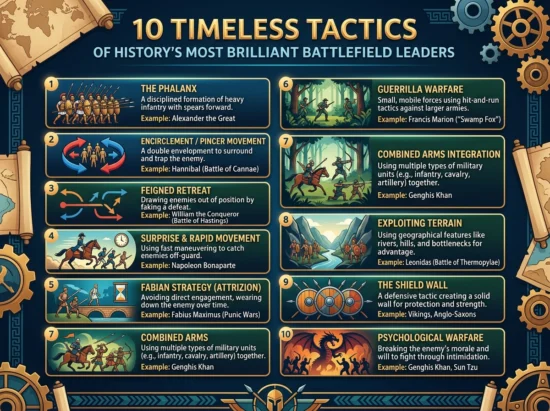
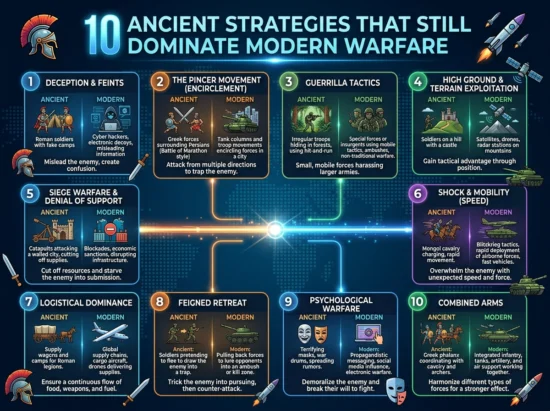
The Mongol military was renowned for its lightning-fast campaigns and its ability to adapt to different environments. The Mongols were skilled horsemen, and their cavalry was the backbone of their army. They used a tactic known as the “feigned retreat”, where they would pretend to retreat, luring the enemy into a pursuit, and then suddenly turn and attack. This tactic was often used to devastating effect, allowing the Mongols to defeat larger and more heavily armed forces.
The Mongols were also skilled archers, and they used their bows to devastating effect on the battlefield. They were particularly effective in using their archery skills to attack enemy forces from a distance, weakening them before engaging in close combat. The Mongols also used their intelligence network to gather information about their enemies, often using spies and scouts to gather information about the enemy’s dispositions and plans.
Logistics and Supply Chain
The Mongol military was a highly mobile force, and they required a complex logistics and supply chain to maintain their operations. The Yam, the network of messengers and couriers, played a crucial role in facilitating communication and the movement of troops and supplies. The Mongols also used a system of “yam stations”, which were strategically located along the trade routes and highways of the empire. These stations provided a network of supplies, food, and shelter for the Mongol army as they marched across the empire.
The Mongols also used a system of “tabgat stations”, which were smaller depots that provided supplies and food for the tabgats. These stations were often located in strategic locations, such as near trade routes or in areas with abundant resources. The Mongols were skilled at living off the land, and they often used local resources to supplement their supplies.
The Role of the Khan
The Khan played a crucial role in the Mongol military, serving as the commander-in-chief of the empire. The Khan was responsible for setting the overall strategy of the empire, and he often led the army in person on key campaigns. The Khan was also responsible for appointing and dismissing commanders, and for distributing awards and punishments to his officers.
The Khan’s role was not limited to military matters, however. He also played a crucial role in maintaining the stability and security of the empire, often using his charisma and authority to resolve disputes and maintain order. The Khan was also responsible for maintaining the empire’s complex system of alliances and treaties, often using his diplomatic skills to secure the loyalty of local leaders and tribes.
Conclusion
The Mongol Empire’s military organization was a complex and well-structured system that allowed the Mongols to conquer and maintain control over such a vast territory. The Yassa, the Kheshig, and the Yam were the three main branches of the Mongol military, each playing a crucial role in the empire’s military operations. The Mongols’ tactics and strategies, including the use of the “feigned retreat” and their skilled archery, allowed them to defeat larger and more heavily armed forces.
The Mongol military’s logistics and supply chain were also crucial to its success, allowing the Mongols to maintain their operations over vast distances. The role of the Khan was also central to the Mongol military, serving as the commander-in-chief of the empire and maintaining the stability and security of the empire.
FAQ
What was the Yassa?
The Yassa was the core of the Mongol army, comprising of skilled and experienced warriors who were handpicked by Genghis Khan himself. The Yassa was further divided into units known as tabgats, which were led by experienced commanders.
How did the Mongols use their archery skills on the battlefield?
The Mongols were skilled archers, and they used their bows to devastating effect on the battlefield. They were particularly effective in using their archery skills to attack enemy forces from a distance, weakening them before engaging in close combat.
What was the role of the Khan in the Mongol military?
The Khan played a crucial role in the Mongol military, serving as the commander-in-chief of the empire. The Khan was responsible for setting the overall strategy of the empire, and he often led the army in person on key campaigns.
How did the Mongols maintain their logistics and supply chain?
The Mongols used a network of messengers and couriers, known as the Yam, to facilitate communication and the movement of troops and supplies. They also used a system of yam stations and tabgat stations to provide supplies and food for the Mongol army as they marched across the empire.
What was the significance of the “feigned retreat” tactic in Mongol military strategy?
The “feigned retreat” tactic was a key component of Mongol military strategy, allowing them to defeat larger and more heavily armed forces. The Mongols would pretend to retreat, luring the enemy into a pursuit, and then suddenly turn and attack. This tactic was often used to devastating effect, allowing the Mongols to win key battles and campaigns.