The Evolution of Siege Weapons: From Ancient Fortifications to Modern-Day Technologies
A Brief History of Siege Warfare
Siege warfare, the art of attacking and breaching fortified positions, has been a cornerstone of military strategy for millennia. From ancient civilizations to modern-day armies, the evolution of siege weapons has been shaped by technological advancements, changing tactics, and the need for more effective means of breaching defenses.
Early Siege Weapons and Fortifications
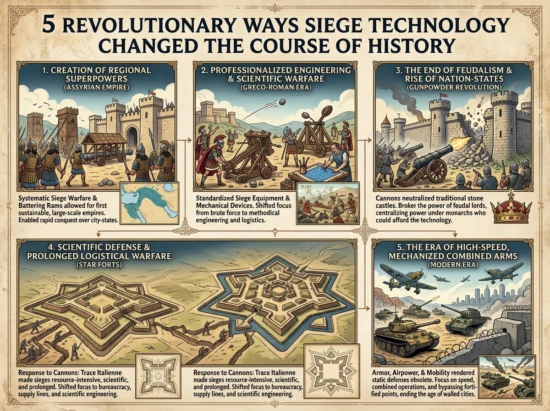
The earliest recorded use of siege warfare dates back to the ancient Mesopotamians, who employed simple yet effective tactics to breach enemy fortifications. The ancient Greeks and Romans also employed various siege engines, including catapults and ballistae, to weaken and breach enemy walls. These early siege engines were often powered by human labor, with soldiers or slaves turning a handle to propel projectiles at the enemy.
As civilizations rose and fell, the need for more effective siege engines grew. The ancient Chinese, for example, developed advanced siege technologies, including the use of crossbows and early forms of artillery. The Mongols, under the leadership of Genghis Khan, employed massive siege engines, including catapults and trebuchets, to devastating effect.
The Middle Ages and the Rise of Gunpowder
With the advent of gunpowder, siege warfare underwent a significant transformation. The first gunpowder-based siege engines emerged in the 13th century, with the development of early cannons and bombards. These early guns were often cumbersome and unreliable, but they marked the beginning of a new era in siege warfare.
The 14th and 15th centuries saw the rise of more sophisticated siege engines, including the use of culverins and falconets. These guns were often mounted on carts or platforms, allowing for greater mobility and flexibility on the battlefield.
The Age of Gunpowder and the Development of Modern Siege Weapons
The 16th and 17th centuries saw the rise of more advanced siege technologies, including the use of mortars, howitzers, and early forms of artillery. The development of rifled barrels and improved gunpowder also increased the accuracy and range of siege engines.
The 18th and 19th centuries saw the rise of modern siege warfare, with the development of more sophisticated artillery systems, including the use of howitzers, mortars, and machine guns. The introduction of trench warfare during World War I further transformed siege warfare, with the use of barbed wire, machine guns, and other technologies to create complex and deadly defensive systems.
Modern Siege Technologies and the Future of Warfare
Today, siege warfare continues to evolve, with the development of advanced technologies, including precision-guided munitions, drones, and cyber warfare. The rise of hybrid warfare, which combines conventional and unconventional tactics, has also transformed the nature of siege warfare.
The future of siege warfare is likely to be shaped by emerging technologies, including the use of artificial intelligence, robotics, and other advanced systems. The increasing emphasis on precision and accuracy will also continue to shape the development of siege technologies.
FAQs
Q: What is the oldest known siege engine?
A: The oldest known siege engine is believed to be the ancient Mesopotamian “sling,” which was used to propel projectiles at enemy positions. This technology dates back to around 4000 BCE.
Q: What was the first gunpowder-based siege engine?
A: The first gunpowder-based siege engine is believed to have been the “fire lance,” which emerged in ancient China during the 13th century. This early gunpowder-based siege engine was a primitive form of a rocket launcher, used to propel projectiles at enemy positions.
Q: What is the most powerful siege engine ever built?
A: The most powerful siege engine ever built is believed to be the “Tsar Cannon,” which was constructed in Russia during the 16th century. This massive gun was capable of firing a 1-ton projectile over a distance of 1.5 miles, making it one of the most powerful siege engines in history.
Q: What is the future of siege warfare?
A: The future of siege warfare is likely to be shaped by emerging technologies, including the use of artificial intelligence, robotics, and other advanced systems. The increasing emphasis on precision and accuracy will also continue to shape the development of siege technologies.