Lessons From History’s Greatest Generals
The Art of Victory
Throughout history, great generals have shaped the course of empires, nations, and civilizations. Their strategic prowess, leadership skills, and unwavering resolve have inspired countless others to follow in their footsteps. By examining the lives and campaigns of these legendary military leaders, we can distill valuable lessons that remain relevant today.
The Importance of Adaptability
One of the key traits of great generals is their ability to adapt to changing circumstances. Napoleon Bonaparte, for instance, was renowned for his tactical flexibility, often altering his plans mid-battle to capitalize on opportunities or exploit weaknesses in the enemy’s position. This adaptability allowed him to outmaneuver his foes and secure crucial victories.
Another example is Erwin Rommel, the Desert Fox, who successfully employed unconventional tactics against the British in North Africa during World War II. Rommel’s innovative use of armor and mobile warfare forced the Allies to reevaluate their own tactics, ultimately leading to a stalemate in the desert campaign.
Adaptability is a quality that serves generals and leaders in any era, as circumstances and environments are constantly shifting. By staying attuned to these changes and being willing to adjust their strategies, leaders can stay ahead of the curve and capitalize on opportunities.
The Power of Intelligence and Preparation
A great general is always prepared, and preparation is a key aspect of their success. Julius Caesar, for instance, was meticulous in his planning and preparation, often gathering intelligence on his enemies and their dispositions before launching a campaign.
Caesar’s attention to detail and his ability to anticipate the actions of his foes allowed him to outmaneuver them time and again, ultimately securing his position as one of Rome’s greatest leaders.
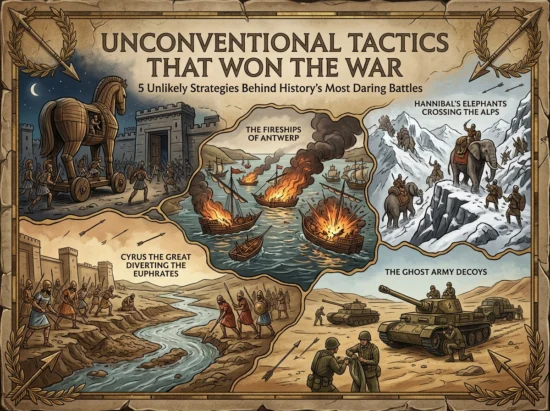
Another example is Hannibal, who famously traversed the Alps with his war elephants to launch a surprise attack on the Romans in Italy. Hannibal’s meticulous planning and preparation allowed him to outmaneuver the Roman legions and secure a crucial victory at Cannae.
The Value of Leadership and Morale
Great generals understand the importance of leadership and morale in the heat of battle. Alexander the Great, for instance, was a skilled leader who inspired his troops to fight with valor and determination. His presence on the battlefield was a rallying point for his men, who fought with unyielding ferocity in his presence.
Another example is George S. Patton, who famously rallied his troops during the Battle of the Bulge in World War II. Patton’s leadership and motivational skills helped to restore the morale of his battered and exhausted troops, ultimately leading to a crucial victory against the German army.
The Art of Strategy and Tactics
Great generals are masters of strategy and tactics, often employing innovative and unorthodox methods to outmaneuver their foes. Sun Tzu, for instance, was a brilliant strategist who employed the concept of “the art of war” to outmaneuver his enemies. Sun Tzu’s treatise on the subject remains a timeless classic in military strategy.
Another example is the American general, Ulysses S. Grant, who famously employed a strategy of attrition against the Confederates during the Civil War. Grant’s relentless pressure and his willingness to adapt his tactics mid-campaign allowed him to wear down the Confederate army and ultimately secure victory.
The Importance of Rest and Recovery
Finally, great generals understand the importance of rest and recovery in the midst of intense conflict. Napoleon Bonaparte, for instance, was notorious for his demands on his troops, often pushing them to their limits and beyond. However, even Napoleon recognized the importance of rest and recovery, often taking time to recharge and refocus his forces before launching a new campaign.
Another example is the Roman general, Scipio Africanus, who famously defeated Hannibal at Zama, ending the Second Punic War. Scipio’s understanding of the importance of rest and recovery allowed him to preserve his troops’ strength and morale, ultimately securing a crucial victory against the Carthaginian general.
Lessons for Modern Leaders
So what can modern leaders learn from the experiences of history’s greatest generals? The answer is clear: adaptability, preparation, leadership, strategic thinking, and rest and recovery are all essential qualities for success in any era.
FAQs
What can I learn from Napoleon’s tactical flexibility?
Napoleon’s ability to adapt his plans mid-battle allowed him to outmaneuver his foes and secure crucial victories. By staying attuned to changing circumstances and being willing to adjust their strategies, leaders can stay ahead of the curve and capitalize on opportunities.
How can I improve my strategic thinking?
Great generals are masters of strategy and tactics, often employing innovative and unorthodox methods to outmaneuver their foes. To improve your strategic thinking, consider studying the campaigns and tactics of history’s greatest generals, and be willing to adapt and evolve your own strategies in response to changing circumstances.
What is the most important quality for a leader to possess?
The most important quality for a leader to possess is adaptability. By staying attuned to changing circumstances and being willing to adjust their strategies, leaders can stay ahead of the curve and capitalize on opportunities.
How can I maintain my troops’ morale in the midst of intense conflict?
Great generals understand the importance of leadership and morale in the heat of battle. By staying connected with their troops, providing clear direction and motivation, and being willing to adapt and evolve their strategies in response to changing circumstances, leaders can maintain their troops’ morale and secure crucial victories.
What can I learn from the experiences of history’s greatest generals?
The experiences of history’s greatest generals offer a wealth of lessons for modern leaders, including the importance of adaptability, preparation, leadership, strategic thinking, and rest and recovery. By studying the campaigns and tactics of these legendary military leaders, we can distill valuable insights that remain relevant in any era.