Introduction
Medieval warfare, a period spanning from the 5th to the 15th century, was marked by the use of various tactics, technologies, and formations to gain an advantage on the battlefield. One of the most iconic and enduring forms of medieval warfare is the cavalry, a powerful and versatile force that played a crucial role in shaping the course of history. In this article, we will delve into the world of medieval cavalry, exploring its origins, evolution, and impact on the battlefield.
The Origins of Medieval Cavalry
The use of cavalry dates back to ancient times, with evidence of horse-mounted warriors appearing in ancient civilizations such as the Mongols, Scythians, and Hittites. However, the medieval period saw the emergence of a more sophisticated and organized cavalry force. In Europe, the fall of the Roman Empire led to the rise of various barbarian tribes, who employed cavalry as a key component of their armies. The Visigoths, for example, used cavalry to devastating effect against the Romans, while the Vandals employed a similar tactic to great success.
Early Cavalry Developments
As the medieval period progressed, cavalry underwent significant changes. The introduction of new technologies, such as the stirrup, allowed for greater stability and control while riding. This, combined with the development of heavier armor and more effective lances, transformed the cavalry into a formidable force. The Normans, for instance, used their heavy cavalry to great effect in the Battle of Hastings, helping to secure their victory over the English.
Cavalry Tactics and Formations
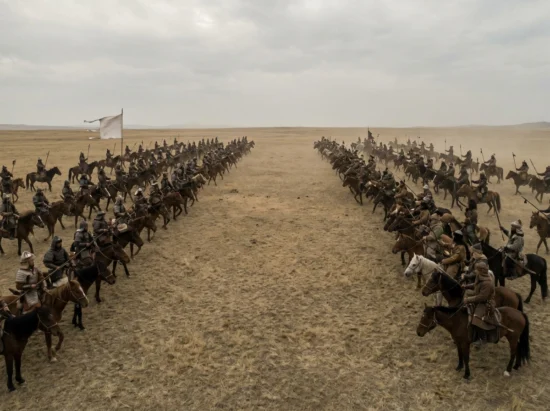
Medieval cavalry employed a range of tactics and formations to achieve success on the battlefield. One of the most common tactics was the “feigned retreat,” where a group of cavalry would pretend to flee, only to lure the enemy into a trap and then attack. The “charge” was another tactic used by medieval cavalry, where a large group of horsemen would burst onto the battlefield, aiming to break through enemy lines and create chaos.
Cavalry Units and Roles
Medieval armies typically consisted of various types of cavalry units, each with its own specific role and function. The “heavy cavalry” was a group of heavily armored horsemen, often equipped with lances and shields, who were used for shock attacks and breaking through enemy lines. The “light cavalry” was a more agile unit, consisting of lightly armored horsemen who were used for reconnaissance, scouting, and rapid deployment.
The Impact of Cavalry on Medieval Warfare
Cavalry played a crucial role in shaping the course of medieval warfare. Its impact can be seen in several key areas. Firstly, the introduction of cavalry allowed for greater mobility and flexibility on the battlefield, enabling armies to respond quickly to changing circumstances. Secondly, cavalry’s ability to break through enemy lines and create chaos had a significant psychological impact, often leading to a decisive victory.
Cavalry and the Rise of Chivalry
The medieval period saw the emergence of chivalry, a code of conduct that emphasized honor, bravery, and loyalty. Cavalry played a significant role in the development of chivalry, as knights and men-at-arms became synonymous with the ideals of chivalry. The knight, a heavily armored horseman, was the epitome of chivalry, and his code of conduct was enshrined in the famous “Oath of Chivalry.”
Conclusion
Medieval cavalry was a powerful and versatile force that played a crucial role in shaping the course of history. Its impact can be seen in the development of new tactics and formations, the rise of chivalry, and the emergence of new technologies. As we conclude our exploration of medieval cavalry, it is clear that this iconic force continues to fascinate and inspire us to this day.
FAQs
What were the primary roles of medieval cavalry?
Medieval cavalry typically consisted of various types of units, each with its own specific role and function. Heavy cavalry was used for shock attacks and breaking through enemy lines, while light cavalry was used for reconnaissance, scouting, and rapid deployment.
How did medieval cavalry use tactics and formations?
Medieval cavalry employed a range of tactics and formations to achieve success on the battlefield. The feigned retreat and the charge were two of the most common tactics used by medieval cavalry, where a group of horsemen would pretend to flee, only to lure the enemy into a trap and then attack, or burst onto the battlefield, aiming to break through enemy lines and create chaos.
What was the impact of cavalry on medieval warfare?
Cavalry played a crucial role in shaping the course of medieval warfare. Its impact can be seen in several key areas. Firstly, the introduction of cavalry allowed for greater mobility and flexibility on the battlefield, enabling armies to respond quickly to changing circumstances. Secondly, cavalry’s ability to break through enemy lines and create chaos had a significant psychological impact, often leading to a decisive victory.
How did the rise of chivalry impact the use of cavalry?
The rise of chivalry had a significant impact on the use of cavalry, as knights and men-at-arms became synonymous with the ideals of chivalry. The knight, a heavily armored horseman, was the epitome of chivalry, and his code of conduct was enshrined in the famous “Oath of Chivalry.”