Preparing for War: The Military Strategies of Ancient Greek City-States
Ancient Greek City-States: A Brief Overview
The ancient Greek city-states, which flourished from the 8th to the 1st centuries BCE, were known for their rich cultural achievements, including their art, architecture, philosophy, and theater. However, their societies were also deeply rooted in a militaristic culture, where the art of war played a central role in their daily lives. The city-states of ancient Greece, such as Athens and Sparta, were constantly preparing for war, and their military strategies were designed to ensure their survival and dominance in a highly competitive world.
The Importance of Military Preparedness in Ancient Greek City-States
The ancient Greek city-states were often plagued by internal conflicts, external threats, and economic instability. The threat of war was ever-present, and the city-states’ military preparedness was a crucial factor in their ability to protect themselves from these threats. In this article, we will explore the various military strategies employed by the ancient Greek city-states to prepare for war.
Land-Based Military Strategies
The ancient Greek city-states employed a range of land-based military strategies to prepare for war. These strategies included:
- Citizen-Soldiers: In ancient Greece, the concept of citizen-soldiers was born. Every able-bodied citizen was required to serve in the military, either as a hoplite (heavy infantryman) or a psiloi (light infantryman). This system allowed the city-states to maintain a large and well-trained army, which was essential for their survival.
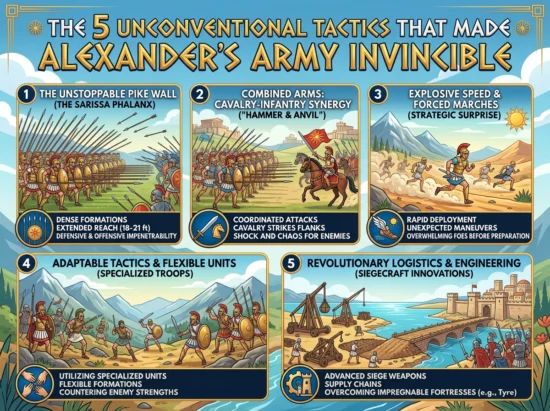
- Phalanx Formation: The phalanx formation, which consisted of a dense line of hoplites armed with long spears, was a key component of the ancient Greek city-states’ military strategy. This formation allowed them to present a united front against enemy forces, making it difficult for the enemy to break through.
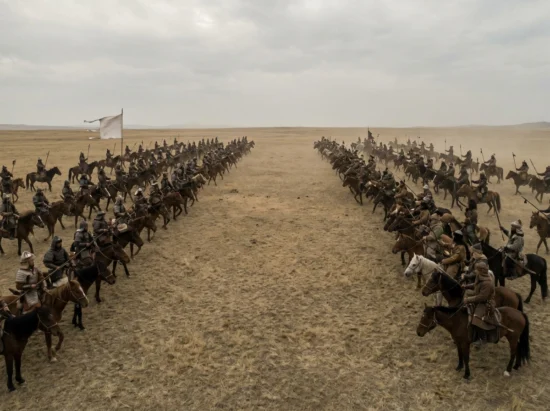
- Cavalry and Light Infantry: While the phalanx formation was the backbone of the ancient Greek city-states’ military strategy, they also employed cavalry and light infantry units to complement their heavy infantry forces. These units were used for scouting, reconnaissance, and rapid deployment.
Naval Military Strategies
The ancient Greek city-states also employed naval military strategies to prepare for war. These strategies included:
- Trireme Warships: The trireme warship was a fast and maneuverable vessel that played a crucial role in the ancient Greek city-states’ naval strategy. These warships were used for reconnaissance, raids, and battles with enemy fleets.
- Naval Blockades: The ancient Greek city-states would often employ naval blockades to prevent enemy ships from supplying their armies or receiving reinforcements. This strategy was used to weaken the enemy and create opportunities for attack.
Intelligence Gathering and Espionage
The ancient Greek city-states also employed intelligence gathering and espionage to prepare for war. These strategies included:
- Spies and Scouts: The city-states would often send spies and scouts to gather intelligence on their enemies, including their military strength, tactics, and strategies.
- Code Breaking and Ciphers: The ancient Greek city-states would also employ code breaking and ciphers to intercept and decode enemy communications, giving them valuable information about enemy plans and movements.
Conclusion
The ancient Greek city-states’ military strategies were designed to ensure their survival and dominance in a highly competitive world. Their use of land-based and naval military strategies, combined with intelligence gathering and espionage, allowed them to prepare for war and protect themselves from the ever-present threat of conflict. By studying the military strategies employed by these ancient civilizations, we can gain valuable insights into the nature of warfare and the importance of military preparedness.
FAQ
What was the role of the phalanx formation in ancient Greek warfare?
The phalanx formation was a key component of the ancient Greek city-states’ military strategy. It consisted of a dense line of hoplites armed with long spears, which presented a united front against enemy forces. This formation allowed the city-states to present a formidable front, making it difficult for the enemy to break through.
How did the trireme warship contribute to ancient Greek naval warfare?
The trireme warship was a fast and maneuverable vessel that played a crucial role in the ancient Greek city-states’ naval strategy. These warships were used for reconnaissance, raids, and battles with enemy fleets. They were also used to blockade enemy ports and prevent enemy ships from supplying their armies or receiving reinforcements.
What was the significance of the concept of citizen-soldiers in ancient Greek warfare?
The concept of citizen-soldiers was born in ancient Greece. Every able-bodied citizen was required to serve in the military, either as a hoplite (heavy infantryman) or a psiloi (light infantryman). This system allowed the city-states to maintain a large and well-trained army, which was essential for their survival.
How did the ancient Greek city-states use intelligence gathering and espionage to prepare for war?
The city-states would often send spies and scouts to gather intelligence on their enemies, including their military strength, tactics, and strategies. They would also employ code breaking and ciphers to intercept and decode enemy communications, giving them valuable information about enemy plans and movements.
What were some of the key land-based military strategies employed by the ancient Greek city-states?
The ancient Greek city-states employed a range of land-based military strategies to prepare for war. These strategies included the use of citizen-soldiers, the phalanx formation, and cavalry and light infantry units. These units were used for scouting, reconnaissance, and rapid deployment.