Deception in the Art of War: How Military Deception Won Famous Battles
The art of war has long been a subject of fascination, and one of the most crucial elements in military strategy is deception. Throughout history, military leaders have employed various tactics to deceive their enemies, often with remarkable success. In this article, we will explore the concept of military deception, examining its role in winning famous battles and discussing the key strategies employed by successful military leaders.
The Power of Deception
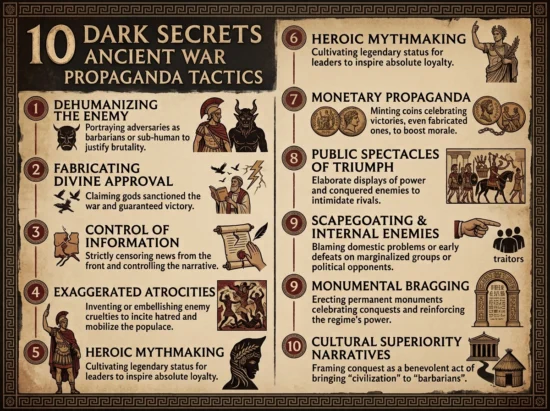
Deception has been a staple of warfare since ancient times. The ancient Greeks, for example, employed a variety of tactics to deceive their enemies, including the use of false messengers and spies. In the modern era, military leaders have continued to employ deception as a key component of their strategy. Deception can take many forms, including:
- Intelligence gathering: gathering information about the enemy’s plans and movements
- Psyops (Psychological Operations): influencing the enemy’s perception and behavior
- Military disinformation: spreading false information about one’s own plans and movements
- Strategic deception: creating a false narrative about one’s own goals and intentions
The Importance of Deception in Military History
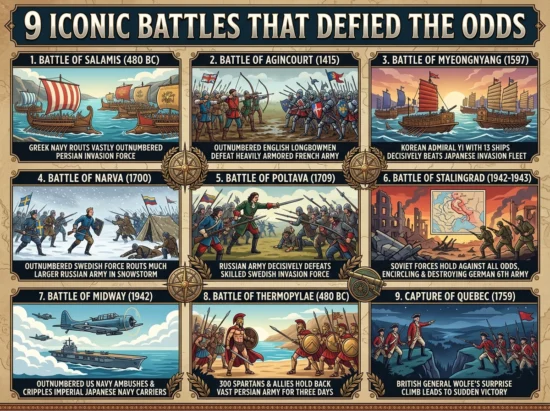
Deception has played a significant role in many famous battles throughout history. One of the most notable examples is the Battle of Cannae, fought in 216 BC between the Carthaginian general Hannibal and the Roman army. Hannibal’s tactics of deception and misdirection allowed him to outmaneuver the Romans, inflicting a crushing defeat on their forces.
Another notable example is the Battle of Agincourt, fought in 1415 between the English army led by King Henry V and the French army. The English employed a variety of tactics to deceive the French, including the use of fake banners and the creation of a false narrative about their own forces.
Deception in the Modern Era
In the modern era, deception remains a key component of military strategy. One notable example is the Gulf War, fought in 1991 between the coalition forces led by the United States and the Iraqi army. The coalition forces employed a variety of tactics to deceive the Iraqis, including the use of psychological operations and strategic deception.
Another example is the invasion of Iraq in 2003, where the US forces employed a range of tactics to deceive the Iraqi forces, including the use of special operations and strategic deception.
Key Strategies Employed by Successful Military Leaders
Successful military leaders have employed a range of tactics to deceive their enemies. Some of the key strategies employed include:
- Creating a false narrative about one’s own goals and intentions
- Spreading disinformation about one’s own plans and movements
- Employing psychological operations to influence the enemy’s perception and behavior
- Using strategic deception to create confusion and uncertainty among the enemy’s forces
Conclusion
Deception has long been a key component of military strategy, and its role in winning famous battles is undeniable. From ancient times to the modern era, successful military leaders have employed a range of tactics to deceive their enemies, often with remarkable success. By understanding the power of deception, military leaders can create effective strategies to outmaneuver their enemies and achieve victory on the battlefield.
FAQ
Q: What is the difference between deception and intelligence gathering?
A: Deception involves spreading false information or creating a false narrative to deceive the enemy, whereas intelligence gathering involves gathering information about the enemy’s plans and movements.
Q: Can deception be used in non-military contexts?
A: Yes, deception can be used in a variety of non-military contexts, including business and politics. Effective leaders use deception to create a false narrative or to spread disinformation to achieve their goals.
Q: Is deception always effective in military strategy?
A: No, deception is not always effective in military strategy. The enemy must be deceived, and the effectiveness of deception depends on a range of factors, including the quality of the deception and the enemy’s ability to detect it.
Q: Can deception be used to harm one’s own forces?
A: Yes, deception can be used to harm one’s own forces if it is not properly executed. Deception requires careful planning and execution to avoid harming one’s own forces.
Q: Is deception a key component of military strategy?
A: Yes, deception is a key component of military strategy, and its role in winning famous battles is undeniable.