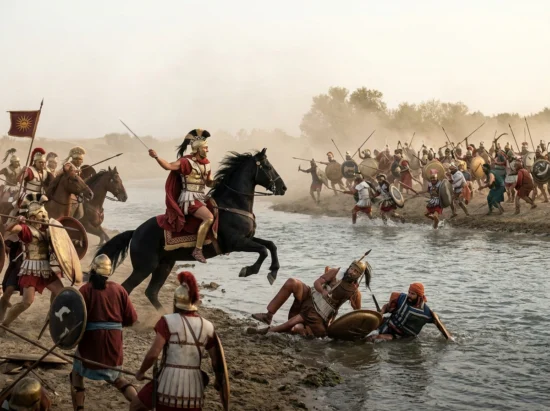
How Soldiers Survived Long Campaigns
The Challenges of Long-Term Military Operations
Throughout history, soldiers have been called upon to endure long, grueling campaigns that test their physical and mental limits. From the Napoleonic Wars to modern-day conflicts, the ability to survive and thrive in the face of adversity has been a hallmark of successful military units. In this article, we’ll explore the ways in which soldiers have adapted to survive long campaigns, and examine the key factors that contribute to their success.
Physical Conditioning and Training
Soldiers who are physically fit and well-trained are better equipped to handle the demands of long-term military operations. Regular exercise, proper nutrition, and adequate rest are essential for maintaining peak physical condition. Training programs that simulate the conditions of combat, such as field exercises and combat simulations, help soldiers develop the skills and confidence they need to perform under pressure.
Physical Conditioning Strategies
- High-Intensity Interval Training (HIIT): This type of exercise involves short bursts of intense activity followed by periods of rest. HIIT is effective for improving cardiovascular fitness and increasing muscular endurance.
- Strength Training: Building muscular strength through weightlifting and resistance exercises helps soldiers maintain mobility and stability in the face of physical demands.
- Flexibility and Mobility Exercises: Activities like yoga and Pilates improve flexibility and range of motion, reducing the risk of injury and improving overall mobility.
Mental Preparation and Resilience
Soldiers who are mentally prepared and resilient are better able to cope with the stresses of long-term military operations. Techniques like meditation, mindfulness, and positive self-talk can help soldiers stay focused and maintain a sense of calm under pressure.
Mental Preparation Strategies
- Visualization Techniques: Soldiers can use visualization to imagine themselves in different scenarios, preparing them for the unexpected challenges of combat.
- Positive Self-Talk: Encouraging oneself with positive affirmations can help soldiers stay motivated and focused on their goals.
- Mindfulness and Meditation: Regular mindfulness and meditation practice can help soldiers develop a greater sense of calm and clarity in the face of uncertainty.
Leadership and Unit Cohesion
Effective leadership and unit cohesion are critical factors in the success of long-term military operations. Soldiers who feel connected to their unit and have a strong sense of purpose are more likely to perform well under pressure.
Leadership Strategies
- Clear Communication: Leaders who communicate clearly and effectively help soldiers understand their roles and responsibilities, reducing confusion and increasing morale.
- Empowerment and Autonomy: Giving soldiers the autonomy to make decisions and take ownership of their actions helps build trust and increases motivation.
- Team-Building Activities: Activities like sports and social events can help build unit cohesion and foster a sense of camaraderie among soldiers.
Survival and Evasion Techniques
Soldiers who are equipped with the skills and knowledge to survive and evade in hostile environments are better able to endure long campaigns. Techniques like navigation, first aid, and concealment can help soldiers stay alive and avoid capture.
Survival and Evasion Strategies
- Navigation: Soldiers who can navigate effectively are better able to find their way in unfamiliar terrain and avoid getting lost.
- Concealment: Techniques like camouflage and concealment can help soldiers avoid detection by enemy forces.
li>First Aid: Knowledge of basic first aid techniques, such as wound dressing and splinting, can help soldiers treat injuries and prevent further harm.
Practical Applications and Implications
FAQ
Q: What are some effective ways to improve physical conditioning for long-term military operations?
A: In addition to the strategies mentioned earlier, soldiers can also incorporate activities like hiking, swimming, and cycling into their training programs to improve cardiovascular fitness and muscular endurance. Regular exercise and proper nutrition are essential for maintaining peak physical condition.
Q: How can soldiers develop mental resilience in the face of uncertainty?
A: Techniques like meditation, mindfulness, and positive self-talk can help soldiers stay focused and maintain a sense of calm under pressure. Visualization and positive affirmations can also help soldiers prepare for the unexpected challenges of combat.
Q: What are some key factors that contribute to the success of long-term military operations?
A: Effective leadership, unit cohesion, and physical and mental conditioning are all critical factors in the success of long-term military operations. Soldiers who are physically fit, well-trained, and mentally prepared are better equipped to handle the demands of long-term military operations.
Q: How can soldiers improve their navigation skills in unfamiliar terrain?
A: Techniques like map reading, compass use, and GPS navigation can help soldiers find their way in unfamiliar terrain and avoid getting lost. Regular practice and training can also help soldiers develop their navigation skills and improve their overall situational awareness.
Conclusion
The ability to survive and thrive in the face of adversity is a hallmark of successful military units. By incorporating physical conditioning and training, mental preparation and resilience, leadership and unit cohesion, and survival and evasion techniques into their training programs, soldiers can improve their chances of success in long-term military operations. Whether in the heat of battle or the isolation of a long campaign, soldiers who are equipped with the skills and knowledge to survive and thrive will be better able to endure the challenges of military service.