The Role of Archers in Medieval Warfare
A Brief History of Archery in Medieval Warfare
Medieval warfare was a brutal and unforgiving arena, with armies clashing in a struggle for power, resources, and territory. Among the various branches of the military, the archers played a crucial role, providing a significant advantage to their side through their accuracy, range, and speed. The use of archery in medieval warfare dates back to the early Middle Ages, with the introduction of the longbow, a powerful and versatile bow that would become a hallmark of English archery.
During the 12th century, the Normans brought their expertise in archery to England, introducing the longbow, which quickly gained popularity among the English nobility. The longbow’s unique design, featuring a long, curved limb and a flat, rectangular cross-section, allowed for increased power and accuracy, making it an invaluable asset on the battlefield. As the centuries passed, the English archers honed their skills, developing the distinctive “staging” technique, where multiple archers would line up and fire in unison, creating a deadly wall of arrows.
The Impact of Archers on Medieval Warfare
The impact of archers on medieval warfare was profound. Their ability to engage enemies from a distance, raining arrows down on the enemy’s ranks, made them a valuable asset on the battlefield. The psychological effect of arrows flying towards them was not to be underestimated, as it created a sense of unease and uncertainty among the enemy. This allowed the archers to weaken the enemy before engaging in close combat, giving their side a significant advantage.
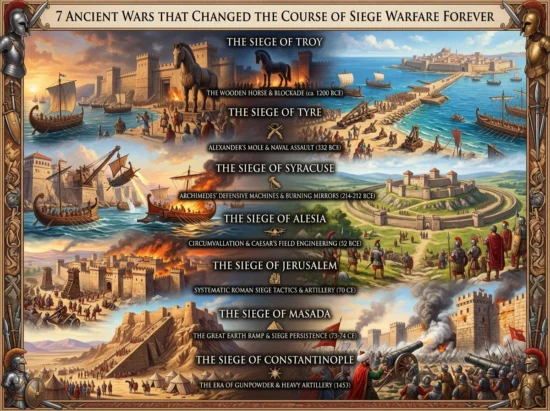
Archers also played a crucial role in siege warfare, as they could fire arrows at enemy fortifications, weakening the walls and allowing the attackers to breach the defenses. The use of archery in siege warfare was a significant factor in the fall of many castles and fortifications throughout medieval Europe.
The Evolution of Archery in Medieval Warfare
As medieval warfare evolved, so did the use of archery. The introduction of the crossbow, a more powerful and accurate alternative to the longbow, posed a significant threat to the traditional English archer. However, the English archers adapted to this new threat, developing the “staging” technique to compensate for the crossbow’s increased range and accuracy.
The introduction of firearms in the 15th century marked a significant turning point in the use of archery in medieval warfare. As gunpowder technology improved, the role of archers began to decline, as their once-unique advantage was lost to the more powerful and deadly firearms. However, the legacy of the archers lived on, as their techniques and tactics continued to influence the development of modern warfare.
The Legacy of the Archers in Modern Warfare
The impact of the archers on medieval warfare can still be seen in modern times. The use of snipers, highly trained marksmen who engage enemies from a distance, owes a debt to the medieval archers. The development of modern artillery, with its precision and range, also owes a debt to the medieval archers, who first demonstrated the power and effectiveness of ranged warfare.
The use of archery in medieval warfare also influenced the development of modern tactics, as armies began to develop strategies to counter the threat of the archers. The use of fortifications, such as castles and walls, became a crucial aspect of warfare, as armies sought to protect themselves from the deadly rain of arrows.
Archers in Modern Context
Today, the role of the archer in warfare is largely ceremonial, as the use of firearms and modern technology has made the traditional bow obsolete. However, the legacy of the archers lives on, as their techniques and tactics continue to influence the development of modern warfare.
The use of archery in modern times is largely limited to recreational activities, such as target shooting and historical reenactments. However, the art of archery continues to thrive, with many modern archers seeking to preserve the techniques and traditions of their medieval forebears.
FAQs
Q: What was the most significant impact of archers on medieval warfare?
A: The most significant impact of archers on medieval warfare was their ability to engage enemies from a distance, creating a sense of unease and uncertainty among the enemy. This allowed the archers to weaken the enemy before engaging in close combat, giving their side a significant advantage.
Q: What was the most notable example of archers in medieval warfare?
A: The most notable example of archers in medieval warfare was the English longbowmen, who played a crucial role in the Battle of Agincourt in 1415. The English longbowmen, led by King Henry V, used their unique “staging” technique to devastating effect, raining arrows down on the French forces and securing a decisive victory.
Q: How did the introduction of firearms affect the use of archery in medieval warfare?
A: The introduction of firearms in the 15th century marked a significant turning point in the use of archery in medieval warfare. As gunpowder technology improved, the role of archers began to decline, as their once-unique advantage was lost to the more powerful and deadly firearms.
Q: What is the most significant difference between medieval archery and modern sniping?
A: The most significant difference between medieval archery and modern sniping is the level of precision and accuracy. Modern snipers use high-powered rifles and sophisticated optics to engage targets from a distance, whereas medieval archers relied on the power of the longbow and the skill of the archer to achieve their results.