The Greatest Mongol Military Campaigns
A Legacy of Conquest and Empire
The Mongol Empire, under the leadership of Genghis Khan and his successors, expanded its territories through a series of military campaigns that would change the course of history. From the vast steppes of Mongolia to the distant lands of Eastern Europe and the Middle East, the Mongols left an indelible mark on the world. This article explores the greatest Mongol military campaigns, examining the strategic brilliance, tactical prowess, and sheer military might that allowed the Mongols to conquer vast swaths of territory and establish one of the largest empires in history.
The Early Campaigns: Uniting the Tribes
Genghis Khan’s rise to power was marked by a series of campaigns that united the warring tribes of Mongolia under his leadership. The first major campaign was against the Tanguts, a powerful neighboring tribe that controlled the valuable Silk Road trade route. In 1207, Genghis Khan led a successful campaign against the Tanguts, defeating them and securing the route for Mongol trade and conquest.
Another early campaign was against the Merkits, a tribe that had long been a thorn in the side of the Mongols. In 1203, Genghis Khan led a daring campaign against the Merkits, using clever tactics and cunning to outmaneuver and defeat them. This victory solidified Genghis Khan’s position as the leader of the Mongols and set the stage for future conquests.
The Conquest of Northern China</hassistant
The Conquest of Northern China
In 1211, Genghis Khan set his sights on northern China, where the Jin dynasty was weakened and vulnerable to attack. The Mongols launched a series of campaigns against the Jin, using a combination of military might and clever tactics to outmaneuver and defeat the enemy. The Jin capital, Zhongdu, fell to the Mongols in 1214, and the dynasty was eventually overthrown.
The conquest of northern China was a significant milestone in the Mongol Empire’s expansion. It marked the first time that the Mongols had conquered a major Chinese dynasty, and it set the stage for future campaigns against the Southern Song dynasty in southern China. The Mongols’ victory also gave them control of the valuable Silk Road trade route, which would become a vital artery of commerce and communication for the empire.
The Conquest of Central Asia and the Caucasus
In the 1220s, the Mongols launched a series of campaigns against the Muslim kingdoms of Central Asia and the Caucasus. The first target was the Khwarazm Empire, which controlled a vast territory stretching from modern-day Iran to the Caspian Sea. In 1220, the Mongols defeated the Khwarazmians at the Battle of the Indus River, and the empire was eventually conquered.
The Mongols then turned their attention to the Caucasus region, where they faced resistance from the Georgians and the Armenians. In 1221, the Mongols defeated the Georgians at the Battle of Khajin, and the region was eventually conquered. The Mongols’ victory gave them control of the strategic mountain passes and trade routes that connected Europe and Asia.
The Invasion of Eastern Europe
In the 1230s, the Mongols launched a series of campaigns against Eastern Europe, where they faced resistance from the Polish, the Hungarians, and the Russians. The first target was the Kievan Rus’, a medieval state that controlled modern-day Ukraine and parts of Russia. In 1237, the Mongols defeated the Kievan Rus’ at the Battle of the Sit River, and the state was eventually conquered.
The Mongols then turned their attention to the Polish and the Hungarians, who were defeated at the Battle of Legnica and the Battle of Mohi, respectively. The Mongols’ victory gave them control of the strategic trade routes and the valuable cities of Eastern Europe.
The Conquest of the Middle East and India
In the 1240s, the Mongols launched a series of campaigns against the Middle East and India. The first target was the Muslim kingdom of Khilat, which controlled modern-day Iraq and parts of Iran. In 1241, the Mongols defeated the Khilatians at the Battle of the Euphrates River, and the kingdom was eventually conquered.
The Mongols then turned their attention to the Indian subcontinent, where they faced resistance from the Delhi Sultanate and the Mamluk Sultanate. In 1241, the Mongols defeated the Delhi Sultanate at the Battle of the Indus River, and the Sultanate was eventually conquered. The Mongols’ victory gave them control of the strategic trade routes and the valuable cities of the Middle East and India.
Conclusion
The Mongol military campaigns were a series of conquests that changed the course of history. From the early campaigns against the Tanguts and the Merkits to the later campaigns against Eastern Europe and the Middle East, the Mongols demonstrated a military might and strategic brilliance that would be unmatched for centuries to come. Their legacy continues to shape the modern world, and their campaigns remain a testament to the power and reach of the Mongol Empire.
FAQ
What was the main reason for the Mongols’ military campaigns?
The main reason for the Mongols’ military campaigns was to expand their empire and secure their borders. The Mongols were a nomadic people who relied on conquest and trade to survive, and they sought to create a vast territory that would provide them with resources, trade routes, and a stable economy.
How did the Mongols organize their military campaigns?
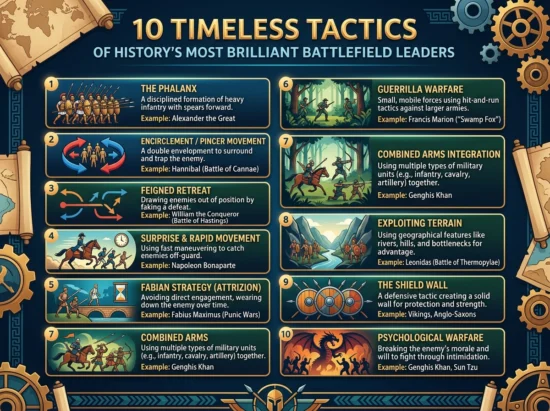
The Mongols organized their military campaigns using a combination of tactics and strategies. They used clever tactics, such as the “feigned retreat” and the “pincer movement,” to outmaneuver and defeat their enemies. They also used a system of intelligence gathering and reconnaissance to anticipate and prepare for enemy attacks.
What was the impact of the Mongol military campaigns on the modern world?
The impact of the Mongol military campaigns on the modern world was significant. The Mongols’ conquests created a vast empire that stretched from modern-day China to Eastern Europe, and they introduced new technologies, trade routes, and cultural practices to the regions they conquered. The Mongols’ legacy continues to shape the modern world, and their campaigns remain a testament to the power and reach of the Mongol Empire.
How did the Mongols treat their enemies after conquest?
The Mongols treated their enemies with varying degrees of severity after conquest. Some enemies were killed or enslaved, while others were allowed to continue their lives as vassals of the Mongol Empire. The Mongols also adopted and assimilated the cultures and practices of the regions they conquered, creating a diverse and complex society that would shape the modern world.
What was the significance of the Mongol Empire’s military campaigns for the development of modern warfare?
The Mongol Empire’s military campaigns were significant for the development of modern warfare. The Mongols introduced new tactics and strategies, such as the “feigned retreat” and the “pincer movement,” that would be adopted and adapted by later military leaders. The Mongols also developed a system of intelligence gathering and reconnaissance that would become a cornerstone of modern military planning.