Protecting the Thin Line: How Military Formations Protected Soldiers
Military formations have been a cornerstone of armed forces throughout history, providing a means for soldiers to organize, communicate, and protect each other on the battlefield. From ancient phalanx formations to modern-day platoon tactics, the art of military formation has evolved significantly over time. In this article, we will explore the history and development of military formations, the key principles behind their effectiveness, and the ways in which they have protected soldiers in various conflicts.
A Brief History of Military Formations
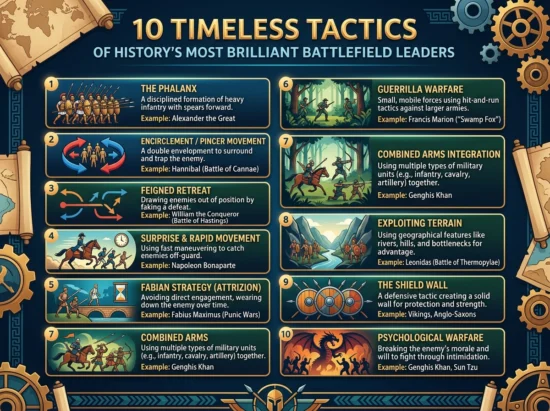
The concept of military formation dates back to ancient times, with the phalanx formation being one of the earliest recorded examples. The phalanx, used by the ancient Greeks and Macedonians, consisted of long, dense lines of soldiers equipped with large shields and spears. This formation allowed for a high degree of protection and mobility, making it an effective tactic on the battlefield.
As armies evolved, so did the tactics employed by military leaders. The ancient Romans, for instance, employed a testudo formation, which consisted of soldiers forming a protective shield wall to advance on enemy positions. This formation allowed the Roman legions to break through enemy lines and achieve significant victories.
Key Principles of Military Formations
Despite the evolution of military technology and tactics, the principles behind effective military formations have remained relatively constant. The key principles of military formations include:
- Unity of Command**: A single commander or leader must be responsible for directing the formation, ensuring clear communication and decision-making.
- Discipline**: Soldiers must adhere to the formation’s structure and movements, maintaining cohesion and minimizing the risk of enemy exploitation.
- Protection**: The formation must prioritize the safety of its members, using shields, cover, or other means to protect vulnerable soldiers.
- Flexibility**: The formation must be able to adapt to changing circumstances, such as the emergence of new enemy threats or the need to reposition troops.
- Firepower**: The formation must be able to unleash concentrated firepower, such as artillery or machine guns, to overwhelm enemy positions.
Modern Military Formations
Today, military formations continue to evolve in response to advances in technology, changes in warfare, and shifting global security landscapes. Modern formations often incorporate advanced communications, sensors, and precision-guided munitions to enhance their effectiveness.
For example, the U.S. Army’s “Brigade Combat Team” (BCT) is a modern formation that combines infantry, armor, and artillery units under a single command structure. The BCT is designed to operate in a variety of environments, from urban areas to open deserts, and is equipped with advanced sensors and communications systems to enhance its situational awareness and combat effectiveness.
Protecting Soldiers in Modern Warfare
Military formations have played a crucial role in protecting soldiers in various conflicts, from World War I to contemporary counterinsurgency operations. The use of advanced formations has allowed military leaders to:
- Reduce Casualties**: By employing protective formations, military leaders have been able to minimize the number of soldiers killed or wounded on the battlefield.
- Enhance Situational Awareness**: Modern formations often incorporate advanced sensors and communications systems, allowing military leaders to stay informed about the battlefield and make more effective decisions.
- Improve Combat Effectiveness**: Formations have enabled military leaders to concentrate firepower and overwhelm enemy positions, securing victories and protecting their troops.
Conclusion
Military formations have been a cornerstone of armed forces throughout history, providing a means for soldiers to organize, communicate, and protect each other on the battlefield. From ancient phalanx formations to modern-day platoon tactics, the art of military formation has evolved significantly over time. By understanding the principles behind effective military formations and the ways in which they have protected soldiers in various conflicts, we can gain a deeper appreciation for the complexities of warfare and the importance of protecting our troops in the field.
FAQ
Q: What is the primary goal of a military formation?
A: The primary goal of a military formation is to protect its members and achieve a tactical advantage over the enemy. By organizing soldiers into a cohesive unit, formations can concentrate firepower, minimize casualties, and enhance situational awareness.
Q: What are some common types of military formations?
A: Common types of military formations include the phalanx, testudo, and column. These formations have been used throughout history to achieve a variety of tactical objectives, from breaking through enemy lines to protecting vulnerable soldiers.
Q: How do modern military formations differ from their ancient counterparts?
A: Modern military formations often incorporate advanced communications, sensors, and precision-guided munitions to enhance their effectiveness. Additionally, modern formations may be more flexible and adaptable, allowing for rapid repositioning and redeployment in response to changing circumstances.
Q: What role do modern military formations play in protecting soldiers?
A: Modern military formations play a crucial role in protecting soldiers by providing a means for soldiers to organize, communicate, and protect each other on the battlefield. Formations have enabled military leaders to reduce casualties, enhance situational awareness, and improve combat effectiveness, all of which contribute to a safer and more effective military operation.
Q: How have military formations influenced the development of modern warfare?
A: Military formations have had a significant impact on the development of modern warfare, influencing the design of military operations, the use of advanced technologies, and the tactics employed by military leaders. By understanding the principles behind effective military formations, military leaders can make more informed decisions about the deployment of troops and the employment of advanced technologies.