The Evolution of Military Fortifications
A Historical Overview
The evolution of military fortifications has been a long and winding road, with various civilizations contributing to the development of defensive structures throughout history. From ancient city walls to modern-day fortresses, the concept of fortification has played a crucial role in shaping the course of human conflict.
Early Fortifications: Ancient Civilizations
The earliest recorded fortifications date back to the ancient civilizations of Mesopotamia, Egypt, and Greece. These early structures were often simple, comprising of mud-brick walls and wooden palisades. As civilizations grew and conflicts intensified, fortifications evolved to become more sophisticated. The ancient Egyptians, for example, built elaborate city walls to protect their capital cities from invading forces.
Middle Ages: Castles and Fortresses
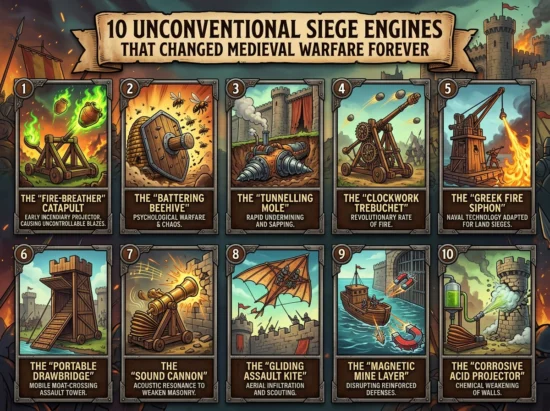
The Middle Ages saw the rise of castles and fortresses, particularly in Europe. These structures were designed to withstand sieges and provide a secure stronghold for the ruling elite. Castles were often built on strategic sites, such as hilltops or rivers, to provide a commanding view of the surrounding area. The development of siege engines, such as catapults and battering rams, led to the construction of thicker walls and more robust fortifications.
Renaissance and Enlightenment: Fortification Advances
During the Renaissance and Enlightenment periods, fortification design underwent significant changes. The introduction of gunpowder led to the development of more robust fortifications, with thicker walls and a greater emphasis on bastions and ravelins. The use of bastions, in particular, allowed defenders to engage attackers at a distance, while the ravelin provided a secure area for troops to assemble.
Industrialization and World War I: The Advent of Modern Fortifications
The Industrial Revolution brought about significant advances in fortification design. The development of machine guns and artillery led to the construction of more complex fortifications, such as the Maginot Line. This line of fortifications, built by the French along their border with Germany, featured a series of strongpoints, each designed to withstand a prolonged siege.
World War II and the Rise of Modern Fortification Techniques
World War II saw the introduction of new fortification techniques, such as the use of reinforced concrete and the development of pillboxes. The Germans, in particular, made extensive use of fortifications during the war, with the construction of the Atlantic Wall along the coast of Europe. This complex system of fortifications, comprising of pillboxes, bunkers, and other defensive structures, was designed to prevent Allied forces from landing on the continent.
Modern Fortifications: Contemporary Developments
In recent years, fortification design has continued to evolve, with a greater emphasis on flexibility and adaptability. Modern fortifications often incorporate advanced technologies, such as radar and surveillance systems, to provide early warning of potential threats. The use of reinforced concrete and other materials has allowed for the construction of more complex fortifications, with a greater emphasis on camouflage and concealment.
Fortification Types and Their Uses
There are several types of fortifications, each designed for specific purposes:
- Bastions: Fortifications that project from the main wall of a fort, providing a secure area for troops to assemble and engage attackers.
- Ravelins: Small, triangular fortifications that provide a secure area for troops to assemble and protect a vulnerable area of the fort.
- Pillboxes: Small, fortified structures that provide a secure area for troops to assemble and engage attackers.
- Bunkers: Underground fortifications that provide a secure area for troops to assemble and engage attackers.
Fortification Design Principles
When designing fortifications, several key principles must be considered:
- Visibility: Fortifications should provide a clear view of the surrounding area, allowing defenders to engage attackers at a distance.
- Camouflage: Fortifications should be designed to blend in with the surrounding environment, making them difficult to detect.
- Flexibility: Fortifications should be designed to accommodate changing circumstances, such as the introduction of new technologies or the need to adapt to a different type of threat.
- Adaptability: Fortifications should be designed to allow for easy modification or expansion, should the need arise.
Conclusion
The evolution of military fortifications has been a long and winding road, with various civilizations contributing to the development of defensive structures throughout history. From ancient city walls to modern-day fortresses, the concept of fortification has played a crucial role in shaping the course of human conflict. As we move forward, it is essential to consider the lessons of the past and design fortifications that are adaptable, flexible, and capable of withstanding the challenges of the future.
FAQs
What is the primary purpose of fortifications?
Fortifications are designed to provide a secure area for troops to assemble and engage attackers. They can also serve as a means of defense, protecting a city or strategic location from invading forces.
What are the key principles of fortification design?
When designing fortifications, several key principles must be considered, including visibility, camouflage, flexibility, and adaptability. These principles allow fortifications to accommodate changing circumstances and provide a secure area for troops to assemble.
What is the difference between a bastion and a ravelin?
A bastion is a fortification that projects from the main wall of a fort, providing a secure area for troops to assemble and engage attackers. A ravelin, on the other hand, is a small, triangular fortification that provides a secure area for troops to assemble and protect a vulnerable area of the fort.
What is the purpose of pillboxes and bunkers in fortification design?
Pillboxes and bunkers are designed to provide a secure area for troops to assemble and engage attackers. They can be used to defend a specific area of the fort or to provide a secure area for troops to assemble and engage attackers.
How do modern fortifications incorporate advanced technologies?
Modern fortifications often incorporate advanced technologies, such as radar and surveillance systems, to provide early warning of potential threats. They may also use reinforced concrete and other materials to provide a secure area for troops to assemble and engage attackers.