How Signals Were Used on Battlefields
A Historical Perspective on the Importance of Communication in Warfare
The use of signals on battlefields has been a crucial aspect of warfare throughout history. From the ancient Greeks to modern-day militaries, the ability to communicate effectively has been a key factor in determining the outcome of battles. In this article, we will explore the evolution of signals on battlefields, the various methods used, and their impact on the course of warfare.
Early Uses of Signals
In ancient times, signals were used primarily for communication between units or to warn of impending attacks. The Greeks, for example, used a system of drums and trumpets to communicate with their troops. The Romans, on the other hand, used a combination of drums, trumpets, and messengers to convey orders and information.
One of the earliest recorded uses of signals in warfare was during the Battle of Gaugamela in 331 BCE. According to historical accounts, Alexander the Great used a system of messengers and beacons to communicate with his troops and coordinate their movements. This was a significant development in the use of signals on battlefields, as it allowed for more efficient communication and coordination between units.
The Development of Signaling Systems
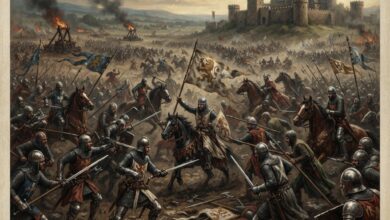
As warfare evolved, so did the use of signals. During the Middle Ages, knights and men-at-arms used a variety of signals to communicate with each other. These included the use of banners, pennants, and flags to convey information and identify friend from foe.
In the 17th and 18th centuries, the use of signals became more sophisticated, with the development of drumming and bugling systems. These systems allowed for the transmission of complex information, such as the location of enemy forces and the movement of friendly troops.
One of the most significant developments in the use of signals was the introduction of the semaphore system in the 18th century. This system used a combination of flags and arms to transmit information over long distances. The semaphore system was used extensively during the Napoleonic Wars and played a crucial role in the communication between units.
The Impact of Signaling on Battlefields
The use of signals on battlefields has had a significant impact on the course of warfare. In many cases, the ability to communicate effectively has been the deciding factor in determining the outcome of battles.
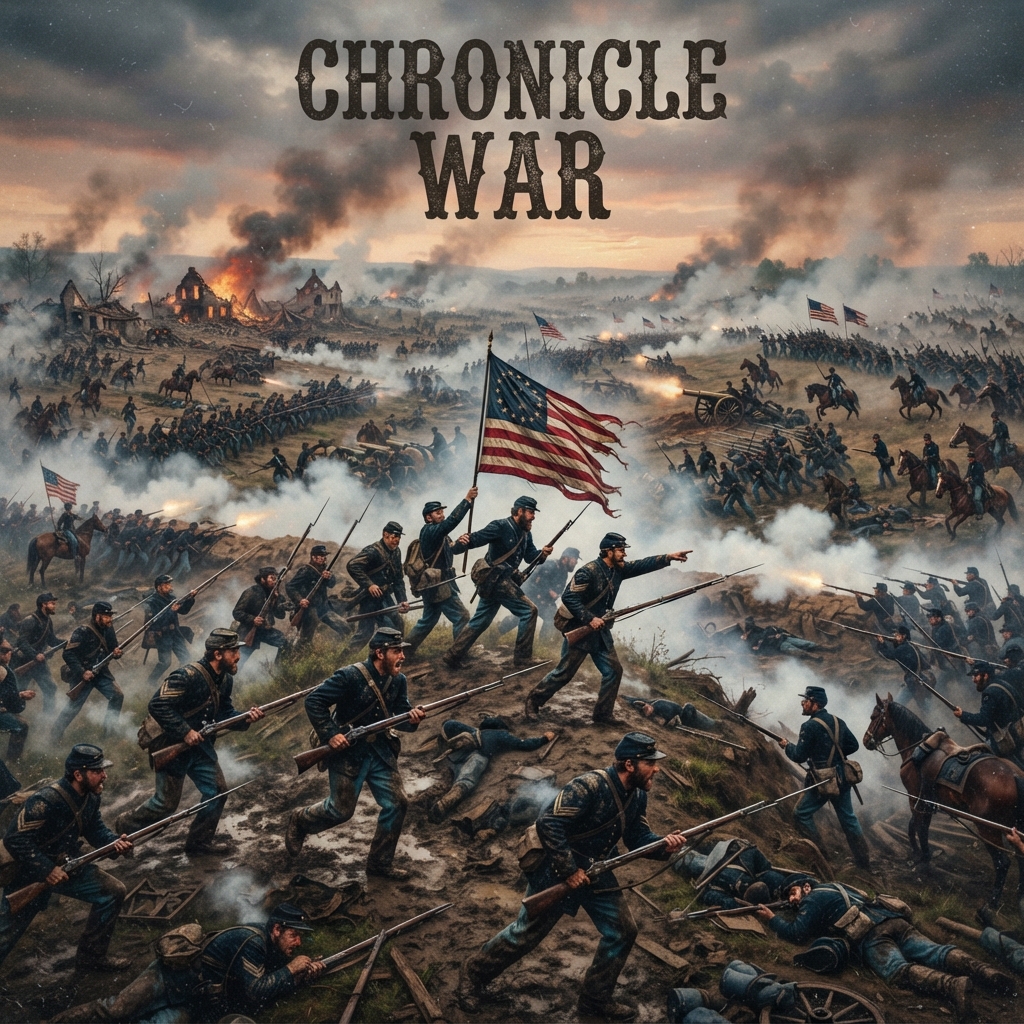
During the American Civil War, for example, the use of signals played a crucial role in the Union’s victory. The Union army used a combination of drums, bugles, and messengers to communicate with their troops and coordinate their movements. This allowed them to respond quickly to the changing circumstances of the battlefield and ultimately led to their victory.
Modern Signaling Systems
Today, the use of signals on battlefields is more sophisticated than ever before. Modern militaries use a variety of systems to communicate with each other, including radio, satellite, and computer networks.
These systems allow for the transmission of complex information, such as the location of enemy forces and the movement of friendly troops. They also enable the coordination of air and ground attacks, and the transmission of critical information in real-time.
One of the most significant developments in the use of signals has been the introduction of digital signaling systems. These systems use computer networks to transmit information and allow for the coordination of complex operations over long distances.
Conclusion
The use of signals on battlefields has been a crucial aspect of warfare throughout history. From the ancient Greeks to modern-day militaries, the ability to communicate effectively has been a key factor in determining the outcome of battles.
As warfare continues to evolve, the use of signals will become increasingly important. The ability to communicate effectively will be crucial in determining the outcome of future conflicts, and will play a key role in the development of modern military tactics and strategies.
FAQ
What were some of the earliest uses of signals on battlefields?
One of the earliest recorded uses of signals in warfare was during the Battle of Gaugamela in 331 BCE. According to historical accounts, Alexander the Great used a system of messengers and beacons to communicate with his troops and coordinate their movements.
How did the development of drumming and bugling systems impact the use of signals on battlefields?
The development of drumming and bugling systems allowed for the transmission of complex information, such as the location of enemy forces and the movement of friendly troops. This was a significant development in the use of signals, as it allowed for more efficient communication and coordination between units.
What was the impact of the semaphore system on the use of signals on battlefields?
The semaphore system used a combination of flags and arms to transmit information over long distances. This system was used extensively during the Napoleonic Wars and played a crucial role in the communication between units.
How have modern signaling systems impacted the use of signals on battlefields?
Modern militaries use a variety of systems to communicate with each other, including radio, satellite, and computer networks. These systems allow for the transmission of complex information, such as the location of enemy forces and the movement of friendly troops. They also enable the coordination of air and ground attacks, and the transmission of critical information in real-time.