The History of Military Recruitment
A Brief Overview of Military Recruitment
Military recruitment has a rich and varied history that spans thousands of years, with its roots dating back to ancient civilizations. From the earliest times, armies have relied on recruitment to maintain their numbers and sustain their efforts in battle. Over time, the methods and techniques used for recruitment have evolved, influenced by technological advancements, societal changes, and shifting cultural norms.
Early Civilizations and the Emergence of Military Recruitment
In ancient times, military recruitment was often a matter of necessity, with armies being formed and recruited on an as-needed basis. The earliest recorded examples of military recruitment come from ancient Mesopotamia, where the Sumerians and Akkadians employed conscription to gather troops for their campaigns. In ancient Egypt, recruitment was often a matter of social class, with the wealthy and high-born serving in the military, while the poor and lower classes were often exempt.
As civilizations rose and fell, the methods of military recruitment evolved. In ancient Greece, for example, recruitment was often a matter of civic duty, with young men being expected to serve in the military as a rite of passage. In ancient Rome, recruitment was often a matter of wealth and social status, with the wealthy and well-connected serving in the military and the poor and lower classes being relegated to menial tasks.
The Middle Ages and the Emergence of Standing Armies
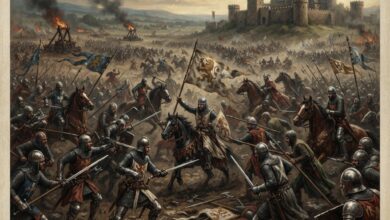
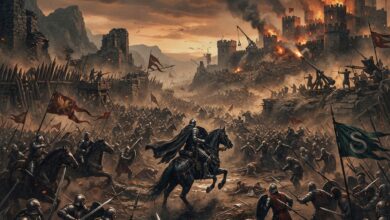
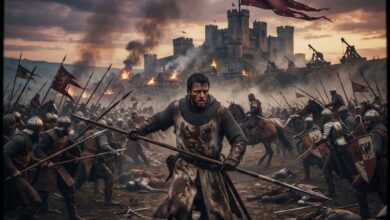
During the Middle Ages, the concept of a standing army emerged, with professional soldiers serving in the military for extended periods of time. Recruitment was often a matter of feudal obligation, with landowners and nobles being expected to provide a certain number of troops for military service. The development of gunpowder and firearms during this period also led to significant changes in military recruitment, as armies began to require more specialized training and equipment.
One notable example of military recruitment during this period was the English army, which was formed in the 13th century and was initially composed of professional soldiers. The English army went on to play a significant role in the Hundred Years’ War, fighting against the French and ultimately emerging victorious. Recruitment during this period was often a matter of social class, with the wealthy and high-born serving in the military and the poor and lower classes being relegated to menial tasks.
The Modern Era and the Advent of Modern Recruitment Techniques
With the advent of modern warfare and the development of new technologies, military recruitment underwent significant changes. The rise of nationalism and the emergence of modern nation-states led to the development of more formalized and standardized recruitment procedures. The introduction of conscription and the draft also became more widespread, with many countries adopting this method of recruitment to supplement their volunteer forces.
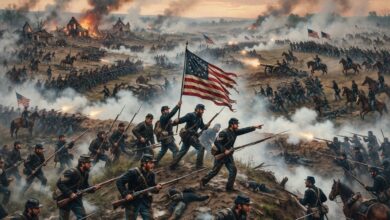
One notable example of modern military recruitment was the United States, which adopted conscription during World War I and continued to use it until the 1970s. The US military also developed new recruitment techniques, including the use of advertising and media campaigns to attract new recruits. The US military also began to place a greater emphasis on training and education, recognizing the importance of developing well-rounded and highly skilled soldiers.
Contemporary Military Recruitment and the Digital Age
In the modern era, military recruitment has become increasingly sophisticated, with the use of digital technologies and social media playing a significant role. The rise of online recruitment platforms and social media advertising has made it easier for military organizations to reach potential recruits and promote their services. The US military, for example, has developed a robust online recruitment platform, which allows potential recruits to learn about the military and its various branches.
Contemporary military recruitment also places a greater emphasis on diversity and inclusion, recognizing the importance of attracting recruits from a wide range of backgrounds and experiences. The US military, for example, has implemented a number of initiatives aimed at increasing diversity and inclusion, including the creation of a diversity and inclusion office and the development of targeted recruitment campaigns aimed at underrepresented groups.
Conclusion
The history of military recruitment is a rich and varied one, spanning thousands of years and influenced by a wide range of factors, including technological advancements, societal changes, and shifting cultural norms. From the earliest times to the present day, military recruitment has played a critical role in the development of armies and the conduct of warfare. As we look to the future, it is clear that military recruitment will continue to evolve, influenced by the same factors that have shaped its development over time.
FAQs
What is the oldest recorded example of military recruitment?
The oldest recorded example of military recruitment comes from ancient Mesopotamia, where the Sumerians and Akkadians employed conscription to gather troops for their campaigns. This practice was also adopted by other ancient civilizations, including the Egyptians and the Greeks.
How did the concept of a standing army emerge during the Middle Ages?
The concept of a standing army emerged during the Middle Ages as a result of the development of gunpowder and firearms. As armies began to require more specialized training and equipment, the need for a permanent and professional military force became clear. The English army, for example, was formed in the 13th century and went on to play a significant role in the Hundred Years’ War.
What is the role of social media in modern military recruitment?
Social media plays a significant role in modern military recruitment, allowing military organizations to reach potential recruits and promote their services. The US military, for example, has developed a robust online recruitment platform, which allows potential recruits to learn about the military and its various branches.
How does the US military approach diversity and inclusion in its recruitment efforts?
The US military places a greater emphasis on diversity and inclusion in its recruitment efforts, recognizing the importance of attracting recruits from a wide range of backgrounds and experiences. The US military has implemented a number of initiatives aimed at increasing diversity and inclusion, including the creation of a diversity and inclusion office and the development of targeted recruitment campaigns aimed at underrepresented groups.