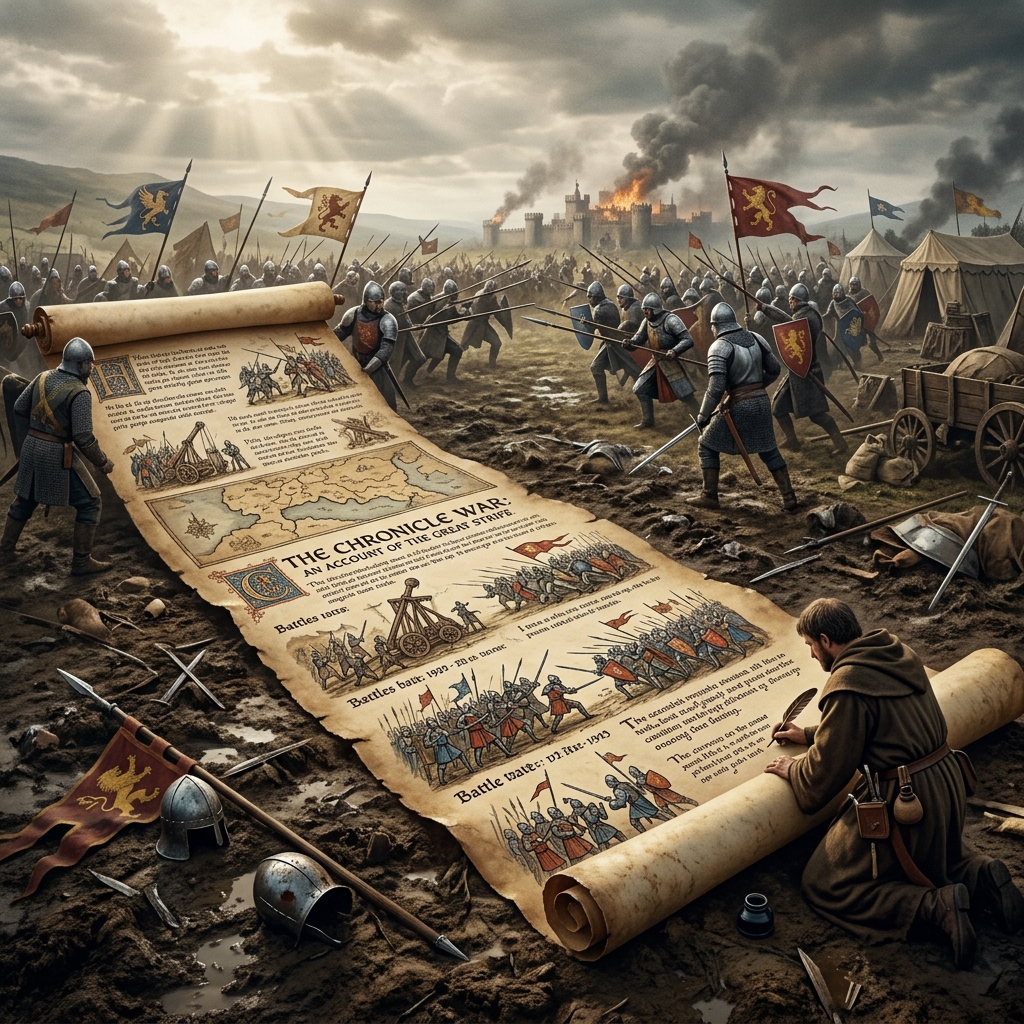
The History of Siege Warfare
Siege warfare has been a cornerstone of military strategy for thousands of years, with its roots dating back to ancient civilizations. From the siege of Jericho to the modern-day urban warfare, the concept of besieging a fortified position has evolved over time, reflecting the changing nature of warfare and the development of military technology.
The Early Years of Siege Warfare
The earliest recorded instance of siege warfare dates back to around 1400 BCE, during the time of the ancient Egyptians. The siege of Jericho, as described in the biblical book of Joshua, showcases the use of siege engines, ramps, and other tactics to breach the defenses of a fortified city.
However, it was the ancient Greeks who developed and refined the art of siege warfare. The Greek city-states of Athens and Sparta employed skilled engineers and architects to design and construct sophisticated siege engines, such as the ballista and the scorpion. These machines allowed the Greeks to breach the defenses of enemy strongholds and fortresses, often with devastating consequences.
The Roman Empire and the Golden Age of Siege Warfare
The Roman Empire, with its vast resources and advanced engineering skills, pushed siege warfare to new heights. Roman engineers developed more sophisticated siege engines, such as the onager and the petard, which could launch projectiles and create breaches in enemy walls.
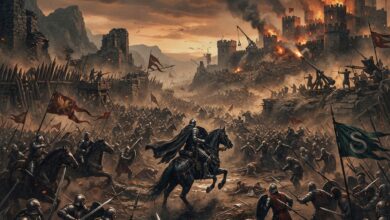
During the Roman Empire’s Golden Age, siege warfare became an integral part of military strategy. Roman legions would often besiege enemy cities, using a combination of siege engines, trenches, and other tactics to wear down the defenders and eventually breach their defenses.
The Middle Ages and the Advent of Gunpowder
With the advent of gunpowder and the introduction of firearms, siege warfare underwent a significant transformation. The use of cannons and other explosive devices allowed armies to breach enemy defenses with unprecedented speed and accuracy.
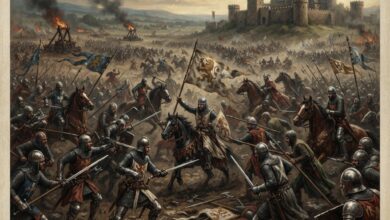
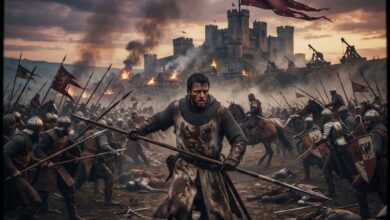
However, the Middle Ages also saw the rise of more complex and sophisticated siege engines, such as the trebuchet and the catapult. These machines, often powered by counterweights or torsion systems, could launch heavy projectiles and breach enemy walls with devastating force.
The Age of Modern Siege Warfare
With the advent of modern warfare, siege warfare has evolved to incorporate new technologies and tactics. The development of tanks, artillery, and other armored vehicles has allowed armies to breach enemy defenses with unprecedented speed and accuracy.
However, the modern era has also seen the rise of urban warfare, where besieging a fortified position becomes increasingly complex and challenging. The use of civilians as human shields, the development of anti-tank and anti-armor defenses, and the increasing importance of psychological warfare have all contributed to the evolution of modern siege warfare.
The Legacy of Siege Warfare
Siege warfare has left an indelible mark on the history of warfare. From the siege of Jericho to the modern-day urban warfare, the concept of besieging a fortified position has reflected the changing nature of warfare and the development of military technology.
Today, siege warfare continues to play a significant role in modern military conflicts. The use of drones, cyber warfare, and other emerging technologies has allowed armies to breach enemy defenses with unprecedented speed and accuracy.
Conclusion
The history of siege warfare is a rich and fascinating one, spanning thousands of years and reflecting the changing nature of warfare and the development of military technology. From the ancient Egyptians to the modern-day urban warfare, the concept of besieging a fortified position has evolved over time, reflecting the complexities and challenges of modern warfare.
FAQ
Q: What is the earliest recorded instance of siege warfare?
A: The earliest recorded instance of siege warfare dates back to around 1400 BCE, during the time of the ancient Egyptians, as described in the biblical book of Joshua.
Q: What were some of the most significant siege engines developed by the ancient Greeks?
A: The ancient Greeks developed and refined the art of siege warfare, employing skilled engineers and architects to design and construct sophisticated siege engines, such as the ballista and the scorpion.
Q: What was the significance of the Roman Empire in the history of siege warfare?
A: The Roman Empire, with its vast resources and advanced engineering skills, pushed siege warfare to new heights. Roman engineers developed more sophisticated siege engines, such as the onager and the petard, which could launch projectiles and create breaches in enemy walls.
Q: How has siege warfare evolved with the advent of modern warfare?
A: With the advent of modern warfare, siege warfare has evolved to incorporate new technologies and tactics. The development of tanks, artillery, and other armored vehicles has allowed armies to breach enemy defenses with unprecedented speed and accuracy.