The Greatest Sieges in Military History
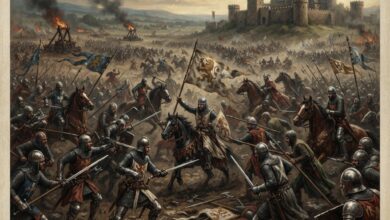
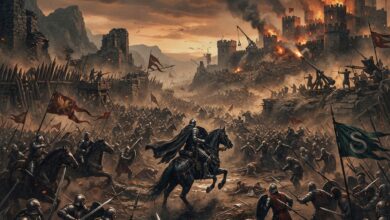
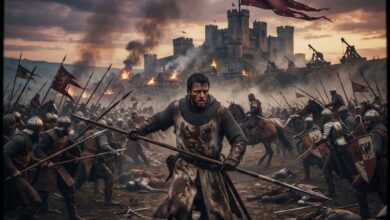
The art of siege warfare has been a cornerstone of military strategy for centuries. From ancient civilizations to modern-day conflicts, the ability to breach and capture fortified positions has been a key factor in determining the outcome of battles and wars. In this article, we’ll delve into the greatest sieges in military history, exploring the tactics, strategies, and outcomes that have shaped the course of human conflict.
Early Sieges: The Birth of Siege Warfare
One of the earliest recorded sieges was the Battle of Megiddo, fought around 1457 BC between the Egyptian army and the Canaanite city-states. This battle marked the beginning of siege warfare, as the Egyptian pharaoh Thutmose III employed innovative tactics to breach the city walls, using ramps and battering rams to break through the defenses. This early example of siege warfare would go on to inspire countless others throughout history.
The Roman Empire: Mastering the Art of Siege Warfare
The ancient Romans were masters of siege warfare. Their legions employed advanced tactics and technologies, such as catapults and ballistae, to breach enemy walls. One notable example is the Siege of Jerusalem in 63 BC, where the Roman general Pompey the Great successfully breached the city walls using a combination of siege engines and clever tactics. The Romans would go on to perfect the art of siege warfare, leaving a lasting legacy that would influence military strategy for centuries to come.
The Middle Ages: A Time of Great Siege Warfare
During the Middle Ages, siege warfare reached new heights of sophistication. The development of gunpowder and the introduction of cannons revolutionized the art of siege warfare, allowing armies to breach even the most formidable fortifications. One notable example is the Siege of Constantinople in 1204, where the Crusader army breached the city walls using a combination of siege engines and clever tactics. The fall of Constantinople marked a turning point in the history of siege warfare, as the Byzantine Empire never fully recovered from the loss.
The Age of Exploration: Siege Warfare in the New World
As European powers explored and colonized the New World, siege warfare played a crucial role in their conquests. The Spanish conquest of the Aztec Empire is a prime example, where Hernán Cortés and his army successfully breached the Aztec capital using a combination of siege engines and clever tactics. The Aztec Empire’s sophisticated fortifications were no match for the Spanish, who employed advanced tactics and technologies to breach the city walls and claim the New World for themselves.
The 20th Century: Siege Warfare in the Age of Total War
The 20th century saw a new era of siege warfare, as modern armies employed advanced technologies and tactics to breach enemy positions. One notable example is the Siege of Leningrad in 1941-1944, where the German army attempted to breach the city walls using a combination of siege engines and clever tactics. However, the Soviet army’s determined defense and the harsh Russian winter ultimately thwarted the German effort, marking a turning point in the war on the Eastern Front.
Conclusion
The art of siege warfare has been a cornerstone of military strategy for centuries, with each new era and conflict building upon the tactics and technologies of the past. From ancient civilizations to modern-day conflicts, the ability to breach and capture fortified positions has been a key factor in determining the outcome of battles and wars. As we reflect on the greatest sieges in military history, we are reminded of the enduring importance of siege warfare in shaping the course of human conflict.
FAQs
What is the earliest recorded siege in military history?
The earliest recorded siege is the Battle of Megiddo, fought around 1457 BC between the Egyptian army and the Canaanite city-states.
What was the significance of the Siege of Jerusalem in 63 BC?
The Siege of Jerusalem in 63 BC marked a significant turning point in the history of siege warfare, as the Roman general Pompey the Great successfully breached the city walls using a combination of siege engines and clever tactics.
How did the introduction of gunpowder and cannons revolutionize siege warfare?
The introduction of gunpowder and cannons revolutionized siege warfare, allowing armies to breach even the most formidable fortifications. The development of these technologies marked a significant turning point in the history of siege warfare, as they allowed armies to breach enemy positions with greater ease and precision.
What was the outcome of the Siege of Leningrad in 1941-1944?
The Soviet army’s determined defense and the harsh Russian winter ultimately thwarted the German effort, marking a turning point in the war on the Eastern Front. The Siege of Leningrad remains one of the most iconic examples of siege warfare in the 20th century.