The History of Military Campaigns
From ancient civilizations to modern-day conflicts, military campaigns have shaped the course of human history. In this article, we’ll delve into the evolution of military campaigns, exploring the key factors that have influenced their development and the impact they’ve had on the world.
Early Military Campaigns
The earliest recorded military campaigns date back to ancient Mesopotamia, around 3000 BCE. The Sumerians, a civilization that flourished in the region now occupied by Iraq, engaged in a series of wars with neighboring city-states. These early campaigns were often fought over trade routes, resources, and territorial control.
- The Sumerians developed a sophisticated system of governance, which included a standing army and a well-organized military hierarchy.
- As civilizations rose and fell, the nature of military campaigns changed. In ancient Egypt, for example, military campaigns were often fought to expand the empire’s borders and secure its trade networks.
- The ancient Greeks and Romans also engaged in extensive military campaigns, often to expand their empires and establish colonies.
Medieval and Early Modern Periods
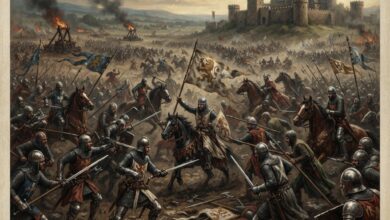
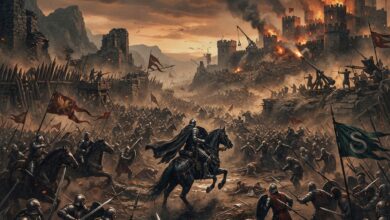
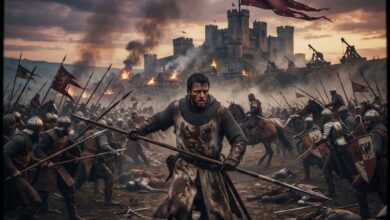
During the Middle Ages, the feudal system dominated Europe, with lords and vassals controlling the armies. The Crusades, a series of military campaigns launched by the Catholic Church, saw knights and nobles fighting in the Holy Land.
- The Mongols, under the leadership of Genghis Khan, expanded their empire through a series of devastating military campaigns, conquering vast territories and leaving a lasting legacy.
- As the Renaissance and the Age of Exploration took hold, European powers began to engage in more complex and sophisticated military campaigns, often fought over colonial empires and trade routes.
Modern Military Campaigns
The Industrial Revolution and the rise of modern technology transformed the nature of military campaigns. The introduction of machine guns, tanks, and aircraft changed the face of warfare, making it more destructive and complex.
- World War I and World War II saw the introduction of new technologies, including chemical warfare, aerial bombing, and the development of atomic bombs.
- Modern military campaigns often involve coalition forces, where multiple countries work together to achieve a common goal.
- Contemporary military campaigns often involve a mix of conventional and unconventional tactics, including cyber warfare, drone strikes, and counterinsurgency operations.
Contemporary Military Campaigns
Today’s military campaigns are often fought in complex and dynamic environments, with multiple stakeholders and non-state actors playing a role. The rise of terrorism, insurgency, and cyber warfare has changed the way militaries operate and the nature of conflict itself.
- The war in Afghanistan, which began in 2001, has seen a prolonged and multifaceted military campaign, with NATO forces and coalition partners working to establish a stable government.
- The Syrian Civil War has seen multiple factions, including the government, rebels, and extremist groups, engage in a complex and deadly conflict.
- The war in Ukraine has seen a prolonged and multifaceted military campaign, with multiple factions and external actors involved.
Conclusion
The history of military campaigns is a rich and complex tapestry, shaped by the forces of politics, economics, and culture. From ancient Mesopotamia to modern-day conflicts, the evolution of military campaigns has been marked by periods of growth, change, and transformation. As we look to the future, it’s clear that military campaigns will continue to shape the course of human history.
FAQs
Q: What is the earliest recorded military campaign?
A: The earliest recorded military campaign dates back to ancient Mesopotamia, around 3000 BCE. The Sumerians engaged in a series of wars with neighboring city-states.
Q: What was the significance of the Mongol Empire’s military campaigns?
A: The Mongols expanded their empire through a series of devastating military campaigns, conquering vast territories and leaving a lasting legacy. Their military campaigns were marked by speed, discipline, and innovative tactics.
Q: How have modern military campaigns changed the nature of conflict?
A: Modern military campaigns often involve a mix of conventional and unconventional tactics, including cyber warfare, drone strikes, and counterinsurgency operations. The rise of terrorism, insurgency, and cyber warfare has changed the way militaries operate and the nature of conflict itself.
Q: What are some of the key factors that have influenced the development of military campaigns?
A: The key factors that have influenced the development of military campaigns include politics, economics, culture, and technology. The rise of new technologies, the expansion of empires, and the emergence of new ideologies have all played a role in shaping the course of military campaigns throughout history.