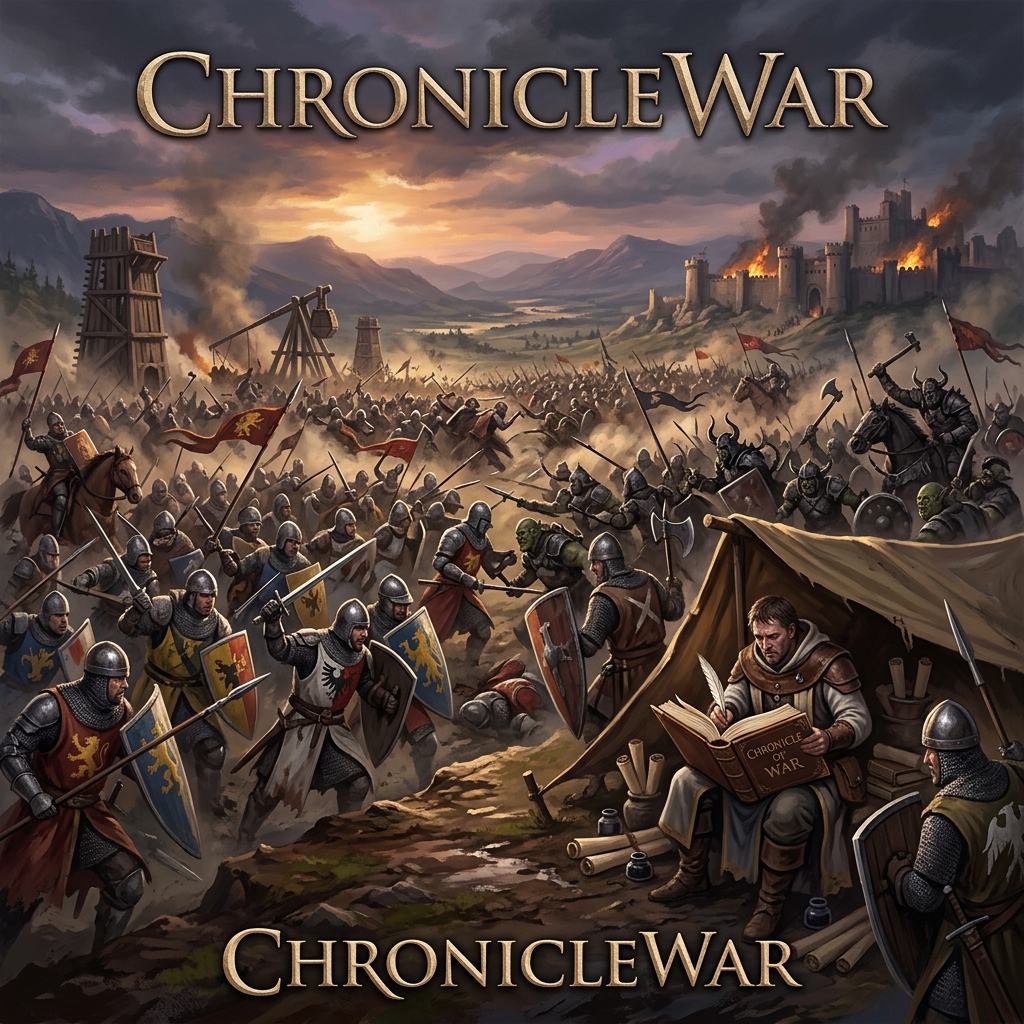
The History of Siege Warfare
Introduction
Siege warfare, a tactic employed by ancient civilizations to breach the defenses of a fortified settlement or city, has a rich and fascinating history that spans thousands of years. From the earliest recorded sieges in ancient Mesopotamia to the modern-day military operations, siege warfare has evolved significantly over time, influenced by technological advancements, societal changes, and the development of new tactics and strategies.
Early Siege Warfare (3000 BCE – 500 BCE)
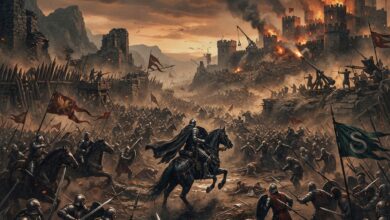
The earliest recorded siege warfare dates back to around 3000 BCE, during the ancient Mesopotamian civilization. The city of Ur, for example, was besieged by the Elamites, who employed catapults, battering rams, and other primitive siege engines to breach the city’s defenses. The use of siege warfare continued throughout the ancient world, with notable examples including the siege of Troy, as described in Homer’s epic poem, the Iliad.
The Rise of Siege Engines (500 BCE – 500 CE)
The ancient Greeks and Romans made significant contributions to the development of siege warfare. The Greek engineer, Archimedes, is credited with designing some of the earliest and most effective siege engines, including the Claw of Archimedes, a ship-mounted device that could grab and capsize enemy vessels. The Roman engineer, Vitruvius, wrote extensively on siege warfare and developed new tactics and strategies for breaching fortified positions.
The Middle Ages and the Emergence of Gunpowder (500 CE – 1500 CE)
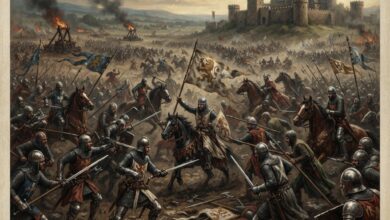
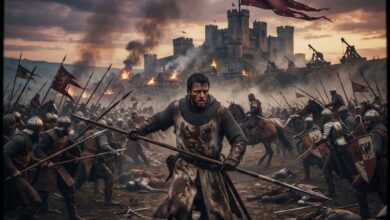
The introduction of gunpowder during the Middle Ages revolutionized siege warfare. The use of cannons, mortars, and other explosive devices allowed armies to breach defenses more quickly and efficiently. The development of new fortification designs, such as the bastion, also made it more difficult for attackers to breach fortified positions. The siege of Constantinople, for example, was a notable example of medieval siege warfare, with the defenders employing advanced fortification designs and innovative tactics to repel the attacking forces.
The Age of Gunpowder and the Emergence of Modern Siege Warfare (1500 CE – 1800 CE)
The Age of Gunpowder saw the widespread use of cannons and other explosive devices in siege warfare. The development of new tactics, such as the “fougasse,” a type of landmine, and the use of trenches and earthworks, allowed armies to breach fortified positions more efficiently. The siege of Malta, for example, was a notable example of modern siege warfare, with the defenders employing advanced fortification designs and innovative tactics to repel the attacking forces.
The Industrial Revolution and the Emergence of Modern Siege Technology (1800 CE – 1900 CE)
The Industrial Revolution brought significant advances in siege technology, with the development of new materials, such as steel and concrete, and the use of advanced engineering techniques. The introduction of the machine gun and other automatic firearms also made it more difficult for defenders to hold out against a besieging army. The siege of Paris during the Franco-Prussian War, for example, was a notable example of modern siege warfare, with the defenders employing advanced fortification designs and innovative tactics to repel the attacking forces.
Modern Siege Warfare (1900 CE – present)
The 20th century saw significant advances in siege technology, with the development of new materials, such as plastic and composite materials, and the use of advanced engineering techniques. The introduction of precision-guided munitions and other advanced technologies has made it more difficult for defenders to hold out against a besieging army. The siege of Sarajevo, for example, was a notable example of modern siege warfare, with the defenders employing advanced fortification designs and innovative tactics to repel the attacking forces.
Conclusion
Siege warfare has a rich and fascinating history that spans thousands of years. From the earliest recorded sieges in ancient Mesopotamia to the modern-day military operations, siege warfare has evolved significantly over time, influenced by technological advancements, societal changes, and the development of new tactics and strategies.
FAQs
Q: What is the earliest recorded siege in history?
The earliest recorded siege dates back to around 3000 BCE, during the ancient Mesopotamian civilization. The city of Ur was besieged by the Elamites, who employed catapults, battering rams, and other primitive siege engines to breach the city’s defenses.
Q: Who is credited with designing some of the earliest and most effective siege engines?
The Greek engineer, Archimedes, is credited with designing some of the earliest and most effective siege engines, including the Claw of Archimedes, a ship-mounted device that could grab and capsize enemy vessels.
Q: What was the significance of the siege of Constantinople?
The siege of Constantinople was a notable example of medieval siege warfare, with the defenders employing advanced fortification designs and innovative tactics to repel the attacking forces. The siege was a significant event in history, marking the end of the Byzantine Empire and the beginning of the Ottoman Empire.
Q: What is the difference between a siege and a blockade?
A siege is a military operation in which an attacking force surrounds a fortified position and attempts to breach its defenses. A blockade, on the other hand, is a military operation in which an attacking force surrounds a fortified position and attempts to starve it out by cutting off its supply lines.