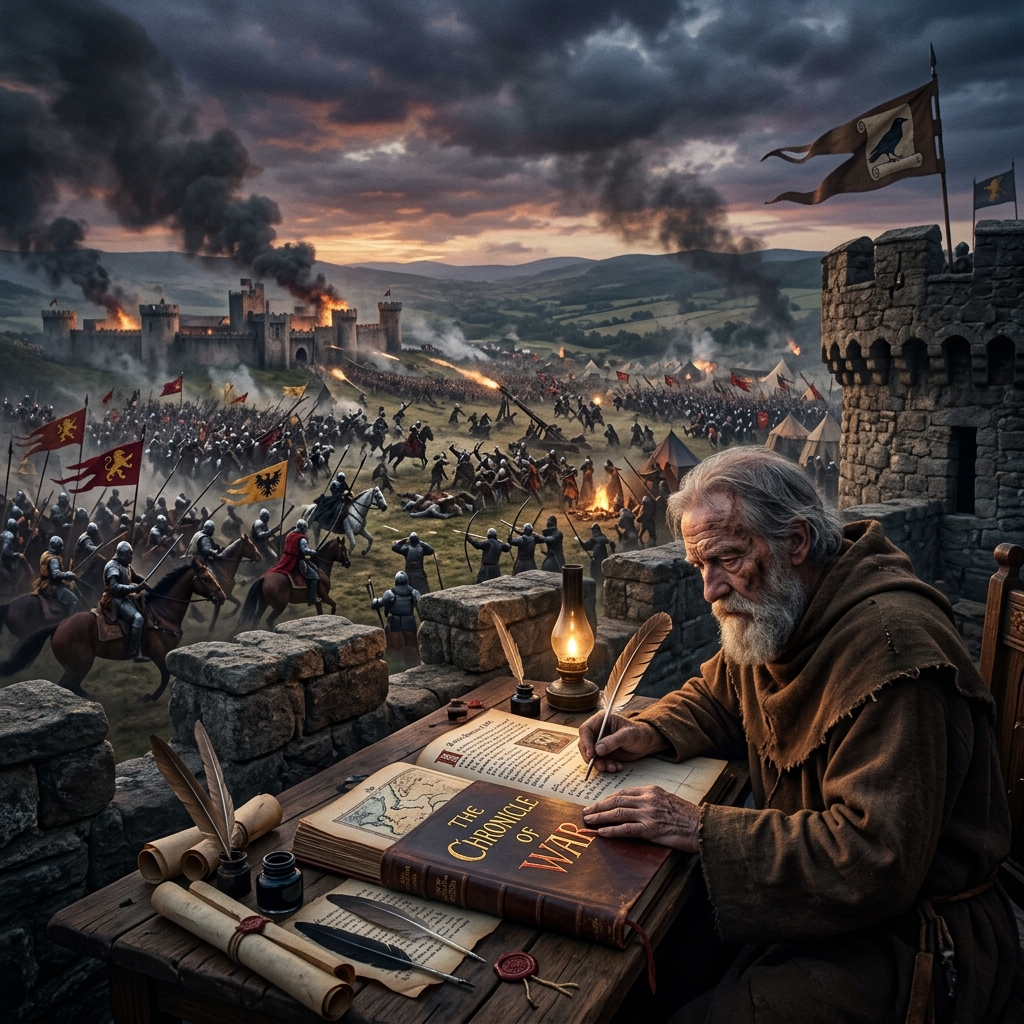
The Evolution of Battlefield Formations: A Historical Perspective
A Brief History of Warfare
Warfare has been a part of human history for thousands of years, with early civilizations employing various tactics and strategies to gain an advantage over their enemies. The development of battlefield formations was a key factor in the success of ancient armies, allowing them to present a united front and protect their flanks. In this article, we will explore the history of battlefield formations, from ancient times to the modern era.
Early Battlefield Formations
The earliest recorded use of battlefield formations dates back to ancient Mesopotamia, where the Sumerians employed a simple formation known as the “shock” formation. This formation involved a dense, compact group of soldiers advancing together, with the aim of breaking through enemy lines and causing maximum damage. The Sumerians used this formation to great effect, conquering much of the surrounding region and establishing a powerful empire.
- The Sumerians were not the only ancient civilization to employ a shock formation. The Egyptians, under the leadership of Ramses II, also used this tactic to great effect during the Battle of Kadesh.
- The Phoenicians, a seafaring people from the eastern Mediterranean, developed a more complex formation known as the “tortoise” formation. This formation involved a line of soldiers, with the aim of protecting the flanks and presenting a united front to the enemy.
The Development of Linear Formations
As warfare evolved, so too did the tactics employed by ancient armies. One of the key developments in battlefield formations was the introduction of linear formations. These formations involved a line of soldiers, with each soldier protecting the one to their left and presenting a united front to the enemy. Linear formations were first employed by the ancient Greeks, who used them to great effect during the Persian Wars.
- The Greeks were not the only ancient civilization to employ linear formations. The Romans, under the leadership of Julius Caesar, also used this tactic to great effect during the Gallic Wars.
- The development of linear formations marked a significant shift in the way armies were organized and fought. This shift was driven by the introduction of new technologies, such as the longbow and the pilum, which allowed armies to project power over longer distances and protect their flanks more effectively.
The Rise of Phalanx Formations
One of the most significant developments in battlefield formations was the introduction of the phalanx formation. This formation involved a dense, compact group of soldiers, with the aim of presenting a united front and protecting the flanks. The phalanx formation was first employed by the ancient Greeks, who used it to great effect during the Persian Wars.
The phalanx formation was a key factor in the success of the ancient Greek army. It allowed them to present a united front to the enemy, while also protecting their flanks and preventing the enemy from getting around their sides. The phalanx formation was also highly mobile, allowing the Greeks to march and fight in a coordinated manner.
The Impact of Medieval Warfare
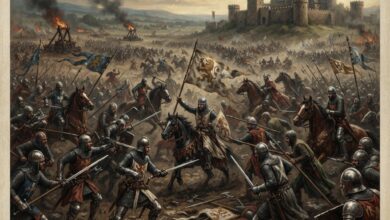
Medieval warfare saw the introduction of new technologies, such as the crossbow and the longbow, which allowed armies to project power over longer distances and protect their flanks more effectively. The development of the knightly class also marked a significant shift in the way armies were organized and fought. Knights were highly mobile and highly effective on the battlefield, allowing armies to achieve a decisive victory.
The introduction of the pike also marked a significant shift in the way armies were organized and fought. The pike was a long, heavy spear that was used to protect the flanks and present a united front to the enemy. The pike was highly effective, and armies that employed it were able to achieve a decisive victory.
The Development of Modern Battlefield Formations
Modern warfare saw the introduction of new technologies, such as the machine gun and the tank, which allowed armies to project power over longer distances and protect their flanks more effectively. The development of the infantry section also marked a significant shift in the way armies were organized and fought. The infantry section was a small group of soldiers, with the aim of presenting a united front and protecting the flanks.
The development of the tank also marked a significant shift in the way armies were organized and fought. Tanks were highly mobile and highly effective on the battlefield, allowing armies to achieve a decisive victory.
The Conclusion
The history of battlefield formations is a long and complex one, with many different civilizations and empires employing various tactics and strategies to gain an advantage over their enemies. From the early shock formations of ancient Mesopotamia to the modern tank formations of the 20th century, battlefield formations have played a crucial role in the success of armies and the outcome of wars.
A Final Note
It is worth noting that the history of battlefield formations is not just a dry, academic subject. It is a living, breathing part of our shared cultural heritage, and it continues to shape the way we think about war and the military. By studying the history of battlefield formations, we can gain a deeper understanding of the complexities and challenges of warfare, and we can develop more effective strategies for winning wars.
FAQs
Q: What was the first recorded use of a battlefield formation?
A: The first recorded use of a battlefield formation was by the Sumerians in ancient Mesopotamia. They employed a simple formation known as the “shock” formation.
Q: What was the significance of the phalanx formation?
A: The phalanx formation was a key factor in the success of the ancient Greek army. It allowed them to present a united front to the enemy, while also protecting their flanks and preventing the enemy from getting around their sides.
Q: What was the impact of the introduction of the pike on medieval warfare?
A: The introduction of the pike marked a significant shift in the way armies were organized and fought. The pike was a long, heavy spear that was used to protect the flanks and present a united front to the enemy.
Q: What was the significance of the development of the tank in modern warfare?
A: The development of the tank marked a significant shift in the way armies were organized and fought. Tanks were highly mobile and highly effective on the battlefield, allowing armies to achieve a decisive victory.