How Armies Used Messengers During War
A Vital Part of Military Operations
In times of war, the speed and accuracy of communication can be the difference between life and death. Throughout history, armies have relied on messengers to convey vital information between units, commanders, and governments. These unsung heroes played a crucial role in shaping the course of battles and wars. In this article, we will delve into the world of military messengers and explore how they were used during wartime.
The Evolution of Messengers
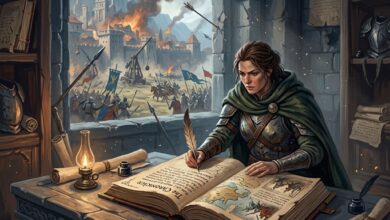
The use of messengers dates back to ancient times, with evidence of their existence found in the writings of Homer, Herodotus, and other ancient historians. In the early days, messengers were often mounted on horseback or on foot, carrying important information between armies, governments, and commanders. As technology improved, so did the methods of communication. In the 19th and 20th centuries, messengers were often replaced by telegraph machines, radios, and eventually, satellite communication systems.
The Role of Messengers in Battle
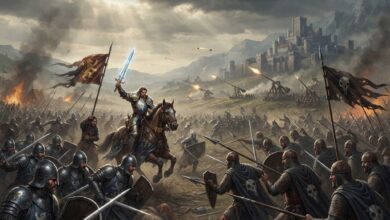
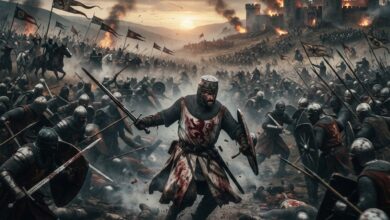
Messengers played a critical role in the heat of battle, conveying vital information between units, commanders, and governments. They were responsible for delivering orders, intelligence, and other important information, often under extreme circumstances. In the chaos of war, messengers had to navigate treacherous terrain, avoid enemy fire, and ensure that their messages reached their intended recipients. The consequences of a delayed or lost message could be disastrous, leading to unnecessary casualties, lost opportunities, and even the failure of entire battles.
The Importance of Security and Trust
In addition to their role in conveying information, messengers also had to maintain the security and trust of the information they carried. During wartime, the enemy would often try to intercept or capture messengers, using them as a means to gather intelligence and disrupt communication. Messengers had to be vigilant and clever in their methods, using codes, ciphers, and other forms of encryption to protect the information they carried. They also had to be trustworthy, as the consequences of a compromised message could be catastrophic.
Examples of Famous Messengers
Throughout history, there have been many famous messengers who have played a significant role in shaping the course of battles and wars. One of the most notable examples is the American colonel, George Washington’s, messenger, William H. Humphreys, who delivered the news of Cornwallis’s surrender at Yorktown, effectively ending the American Revolutionary War. Another example is the British messenger, Lieutenant Frederick Hitch, who delivered a crucial message during the Battle of Waterloo, allowing the British army to redeploy its forces and secure a decisive victory.
Technological Advancements and the Decline of Messengers
The development of new technologies, such as radio communication, telegraph machines, and eventually, satellite communication systems, led to a significant decline in the use of messengers. With the advent of these technologies, the need for messengers decreased, and many were replaced by machines and automated systems. However, even with the advent of modern technology, messengers continue to play a vital role in military operations, particularly in situations where communication systems are disrupted or unreliable.
The Legacy of Messengers
The legacy of messengers extends far beyond their role in wartime. They played a crucial part in shaping the course of history, allowing armies and governments to communicate effectively and make informed decisions. The bravery and dedication of messengers in the face of danger and uncertainty have been an inspiration to many, and their stories continue to captivate and educate us today.
Conclusion
In conclusion, the use of messengers during wartime has been a vital part of military operations throughout history. From ancient times to modern day, these unsung heroes have played a crucial role in shaping the course of battles and wars. Their bravery, dedication, and cleverness in the face of danger and uncertainty have been an inspiration to many, and their legacy continues to captivate and educate us today.
FAQ
Q: What was the primary role of messengers in battle?
A: The primary role of messengers in battle was to convey vital information between units, commanders, and governments, often under extreme circumstances.
Q: How did messengers maintain security and trust of the information they carried?
A: Messengers maintained the security and trust of the information they carried by using codes, ciphers, and other forms of encryption, as well as being vigilant and clever in their methods.
Q: What were some of the challenges faced by messengers during wartime?
A: Messengers faced many challenges during wartime, including navigating treacherous terrain, avoiding enemy fire, and ensuring that their messages reached their intended recipients. They also had to deal with the consequences of a delayed or lost message, which could be disastrous.
Q: How did the development of new technologies affect the use of messengers?
A: The development of new technologies, such as radio communication, telegraph machines, and eventually, satellite communication systems, led to a significant decline in the use of messengers. However, even with the advent of modern technology, messengers continue to play a vital role in military operations.
Q: What is the legacy of messengers?
A: The legacy of messengers extends far beyond their role in wartime. They played a crucial part in shaping the course of history, allowing armies and governments to communicate effectively and make informed decisions. Their bravery and dedication in the face of danger and uncertainty have been an inspiration to many, and their stories continue to captivate and educate us today.