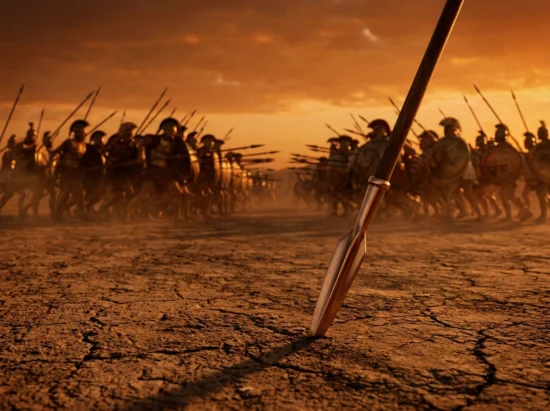
How Armies Protected Their Supply Lines
Introduction
The protection of supply lines has been a crucial aspect of military strategy throughout history. A well-maintained and secure supply line is essential for the success of any military campaign, as it allows for the movement of troops, equipment, and resources to support the war effort. In this article, we will explore how armies protected their supply lines in the past, highlighting key strategies, tactics, and technologies that were employed to ensure the safe and efficient transportation of goods and personnel.
Historical Background
The protection of supply lines dates back to ancient times, when armies would often march across vast territories, relying on their ability to gather and transport food, water, and other essential resources to sustain themselves. In ancient Rome, for example, the Roman legions would often march with a large train of pack animals, carrying everything from food and water to tents and equipment.
As armies evolved and grew in size, the need for secure and efficient supply lines became increasingly important. In the 18th and 19th centuries, the development of railroads and canals revolutionized the transportation of goods and personnel, allowing armies to move more quickly and efficiently across vast distances.
Early Strategies for Protecting Supply Lines
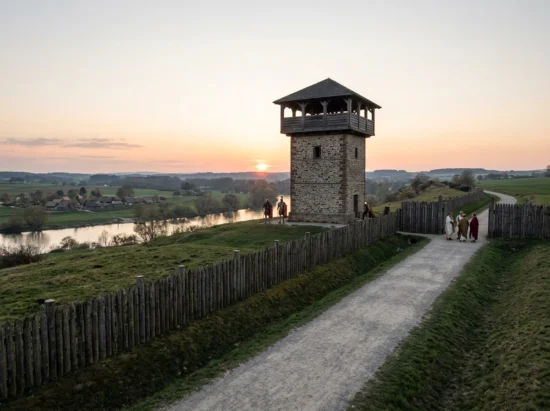
In the early days of military campaigning, the protection of supply lines was often achieved through a combination of military force and logistics. Armies would often establish a network of outposts and garrisons to secure key supply routes and protect against enemy attacks. These outposts would provide a secure base for troops to rest, refuel, and resupply, allowing the army to continue its campaign.
Another key strategy employed by armies to protect their supply lines was the use of scouts and reconnaissance units to gather intelligence on enemy movements and positions. This allowed the army to anticipate and prepare for potential threats, ensuring that their supply lines remained secure.
Establishing a Secure Logistics Chain
A key component of protecting supply lines was the establishment of a secure logistics chain. This involved identifying and securing key supply points, such as ports, rivers, and roads, and establishing a network of warehouses, depots, and storage facilities to hold and distribute supplies.
In the American Civil War, for example, the Union Army established a complex logistics network that included railroads, canals, and wagon roads, allowing them to move vast quantities of supplies and personnel across the country. This network was secured through a combination of military force and civilian labor, with soldiers and civilians working together to maintain and protect the supply lines.
Technological Advancements in Supply Line Protection
The development of new technologies has played a significant role in protecting supply lines throughout history. In the 19th century, the introduction of the railroad revolutionized the transportation of goods and personnel, allowing armies to move more quickly and efficiently across vast distances.
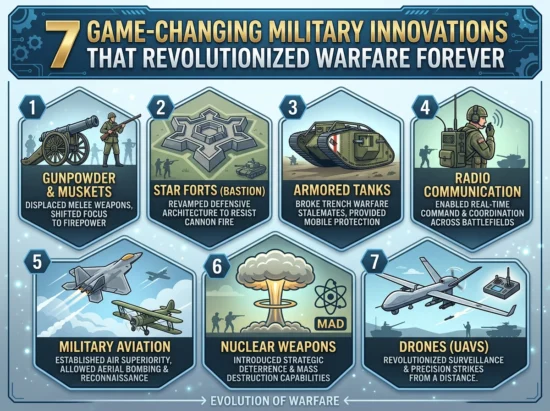
In World War I, the introduction of the motorized truck and the tank allowed armies to move supplies and equipment more quickly and effectively, reducing the need for manual labor and increasing the speed of supply chain operations.
Modern Strategies for Protecting Supply Lines
In modern times, the protection of supply lines has become increasingly complex, with armies relying on advanced technologies and strategies to ensure the safe and efficient transportation of goods and personnel. Some key strategies employed by modern armies include:
Intelligence Gathering and Surveillance
Modern armies rely on advanced intelligence gathering and surveillance techniques to anticipate and prepare for potential threats to their supply lines. This includes the use of satellite imagery, drones, and other advanced technologies to gather information on enemy movements and positions.
Logistics and Supply Chain Management
The protection of supply lines requires advanced logistics and supply chain management techniques, including the use of just-in-time inventory management, supply chain optimization, and other technologies to ensure the efficient and secure movement of goods and personnel.
Communication and Coordination
The protection of supply lines requires effective communication and coordination between different units and agencies. This includes the use of advanced communication technologies, such as satellite phones and secure communication networks, to ensure that troops and civilians are able to communicate effectively and respond to potential threats.
Civil-Military Cooperation
In modern times, the protection of supply lines often requires close cooperation between military and civilian agencies. This includes the use of civilian labor and resources to maintain and protect supply lines, as well as the establishment of close relationships between military and civilian leaders to ensure effective communication and coordination.
Conclusion
The protection of supply lines has been a crucial aspect of military strategy throughout history, with armies relying on a combination of military force, logistics, and technology to ensure the safe and efficient transportation of goods and personnel. As modern armies continue to evolve and grow in size, the need for secure and efficient supply lines becomes increasingly important, and the strategies and technologies employed to protect them will continue to play a vital role in the success of military campaigns.
FAQs
Q: What were some key strategies employed by ancient armies to protect their supply lines?
One key strategy employed by ancient armies was the establishment of a network of outposts and garrisons to secure key supply routes and protect against enemy attacks. These outposts would provide a secure base for troops to rest, refuel, and resupply, allowing the army to continue its campaign.
Q: How did the development of railroads and canals impact the protection of supply lines in the 18th and 19th centuries?
The development of railroads and canals revolutionized the transportation of goods and personnel, allowing armies to move more quickly and efficiently across vast distances. This reduced the need for manual labor and increased the speed of supply chain operations, making it easier for armies to protect their supply lines.
Q: What role did technology play in the protection of supply lines during World War I?
The introduction of the motorized truck and the tank allowed armies to move supplies and equipment more quickly and effectively, reducing the need for manual labor and increasing the speed of supply chain operations. This made it easier for armies to protect their supply lines and respond to potential threats.
Q: What are some key strategies employed by modern armies to protect their supply lines?
Some key strategies employed by modern armies include the use of advanced intelligence gathering and surveillance techniques, such as satellite imagery and drones, to anticipate and prepare for potential threats. They also rely on advanced logistics and supply chain management techniques, including just-in-time inventory management and supply chain optimization, to ensure the efficient and secure movement of goods and personnel.