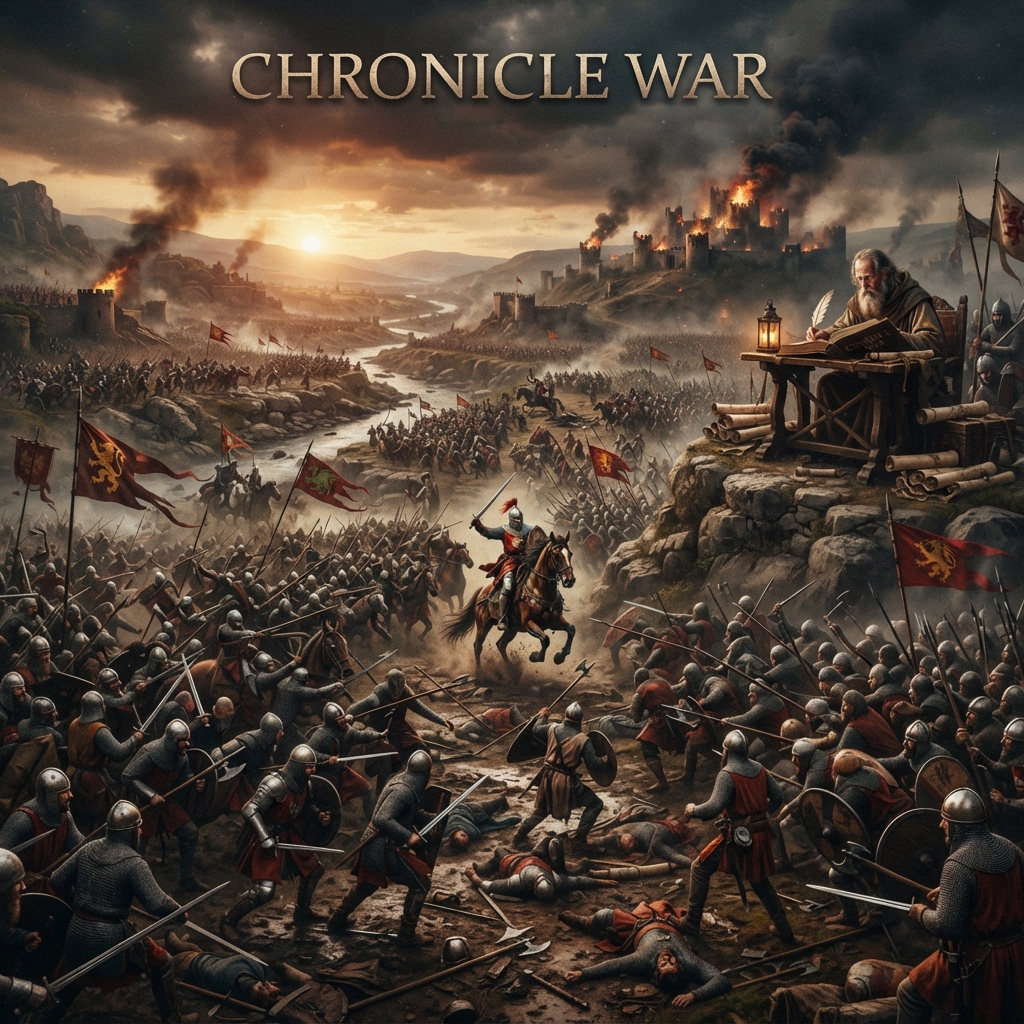
The Role of Drums and Flags in Warfare
Ancient Origins of Drums and Flags
Throughout history, drums and flags have played a crucial role in warfare, serving as essential tools for communication, motivation, and psychological warfare. The use of drums dates back to ancient civilizations, where they were used to convey messages, rally troops, and intimidate enemies. In ancient Egypt, for example, drums were used to signal the start of battles, while in ancient Greece, they were used to communicate with troops on the battlefield.
The Significance of Drums in Warfare
Drums have been an integral part of warfare for thousands of years, serving as a means of communication, motivation, and psychological warfare. In many cultures, drums are associated with war and are used to summon troops, signal the start of battles, and intimidate enemies. The sound of drums can be intimidating, and the rhythmic beat can be mesmerizing, making it a powerful tool for psychological warfare. In addition, drums have been used to convey important messages, such as the location of enemy troops, the need for reinforcements, or the order to retreat.
The Use of Flags in Warfare
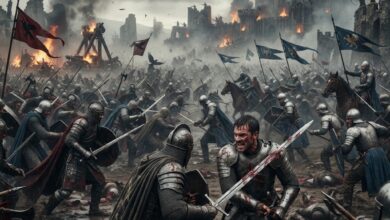
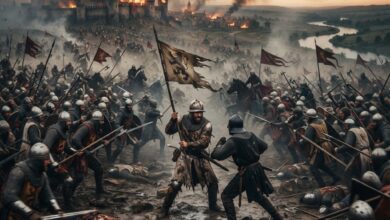
Flags have also played a significant role in warfare, serving as a means of identification, communication, and psychological warfare. In ancient times, flags were used to identify troops, signal the location of enemy forces, and intimidate enemies. The use of flags has continued to evolve throughout history, with modern armies using flags to identify themselves, signal their intentions, and demarcate their territory. Flags have also been used to convey messages, such as the surrender of enemy troops or the need for a ceasefire.
The Impact of Drums and Flags on Soldiers
Drums and flags have had a profound impact on soldiers throughout history, serving as a means of motivation, communication, and psychological warfare. The sound of drums can be exhilarating, and the sight of flags can be inspiring, making them a powerful tool for boosting morale and unit cohesion. In addition, drums and flags have been used to convey important messages, such as the location of enemy troops, the need for reinforcements, or the order to retreat. The use of drums and flags has also been used to intimidate enemies, making them a valuable asset in psychological warfare.
The Role of Drums and Flags in Modern Warfare
Drums and flags continue to play a significant role in modern warfare, serving as a means of communication, motivation, and psychological warfare. In modern armies, drums are used to signal the start of battles, convey important messages, and boost morale. Flags are used to identify troops, signal their intentions, and demarcate their territory. The use of drums and flags has also been used to intimidate enemies, making them a valuable asset in psychological warfare.
Examples of Drums and Flags in Warfare
There are many examples of drums and flags being used in warfare throughout history. One notable example is the use of drums by the ancient Egyptians, who used them to signal the start of battles and intimidate enemies. Another example is the use of flags by the ancient Greeks, who used them to identify their troops and signal their intentions. In modern times, drums and flags have been used by armies around the world, including the United States, China, and Russia.
The Future of Drums and Flags in Warfare
As technology continues to evolve, it is likely that drums and flags will continue to play a significant role in warfare, albeit in a more limited capacity. With the advent of modern communication technologies, such as radios and satellite communication, the need for drums and flags as a means of communication has decreased. However, drums and flags will likely continue to be used as a means of motivation, psychological warfare, and identification. In addition, the use of drums and flags may become more symbolic, with armies using them to boost morale, intimidate enemies, and signal their intentions.
Conclusion
The role of drums and flags in warfare has been significant throughout history, serving as a means of communication, motivation, and psychological warfare. From ancient times to modern day, drums and flags have played a crucial role in warfare, boosting morale, intimidating enemies, and conveying important messages. As technology continues to evolve, it is likely that drums and flags will continue to play a significant role in warfare, albeit in a more limited capacity.
FAQ
Q: What is the origin of drums in warfare?
A: The origin of drums in warfare dates back to ancient civilizations, where they were used to convey messages, rally troops, and intimidate enemies.
Q: How have drums and flags been used in modern warfare?
A: Drums and flags have been used in modern warfare as a means of communication, motivation, and psychological warfare. They are used to signal the start of battles, convey important messages, and intimidate enemies.
Q: What is the significance of flags in warfare?
A: Flags have been used in warfare as a means of identification, communication, and psychological warfare. They are used to identify troops, signal their intentions, and demarcate their territory.
Q: Will drums and flags continue to play a significant role in warfare?
A: As technology continues to evolve, it is likely that drums and flags will continue to play a significant role in warfare, albeit in a more limited capacity. They will likely be used as a means of motivation, psychological warfare, and identification.