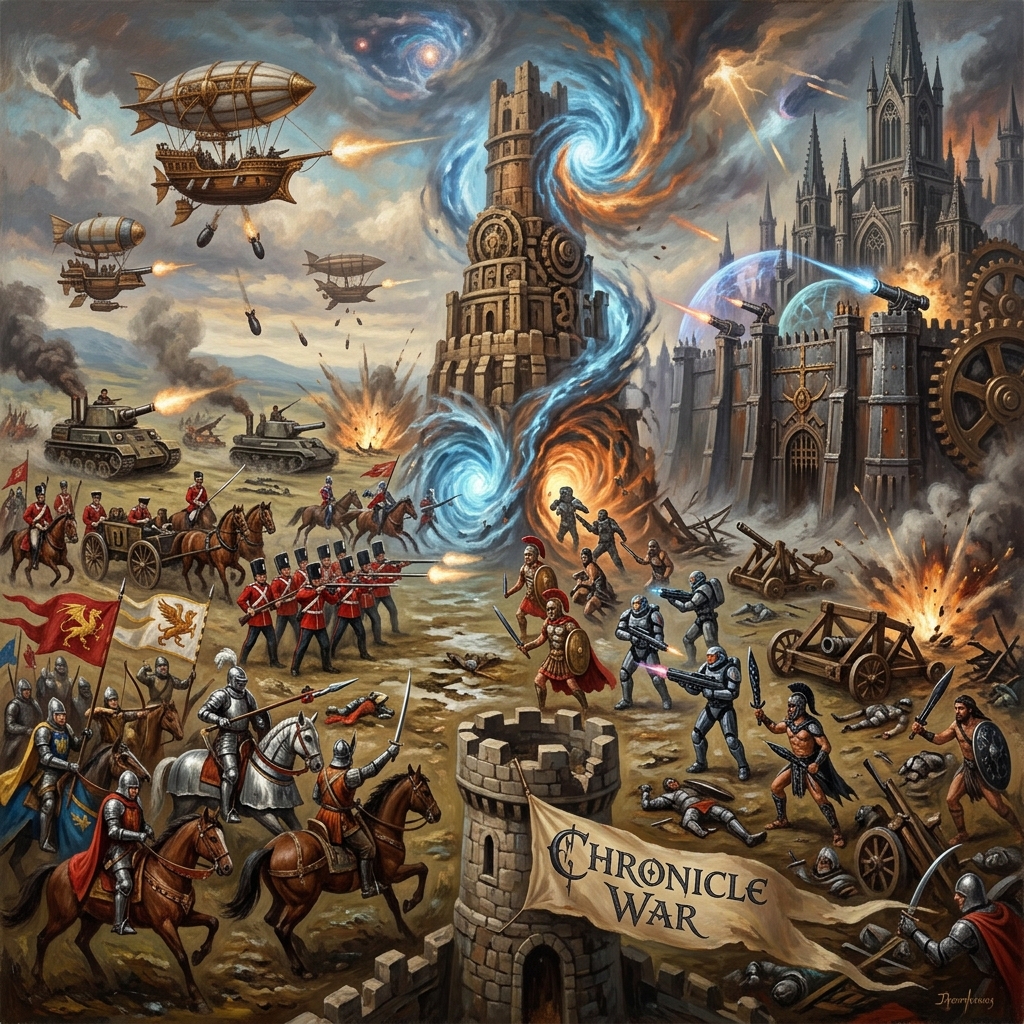
Evolution of Battlefield Skills in Soldiers
Introduction
Soldiers have always been at the forefront of developing and refining their battlefield skills to stay one step ahead of their adversaries. The art of warfare has been shaped by countless battles, wars, and conflicts throughout history. From ancient civilizations to modern militaries, the process of learning battlefield skills has been a vital aspect of military training. In this article, we will delve into the evolution of battlefield skills in soldiers, exploring the various methods, technologies, and innovations that have contributed to their development.
The Early Years: Traditional Methods
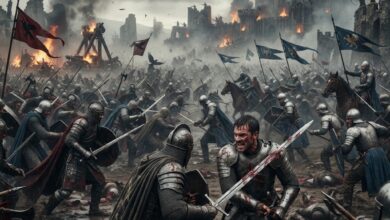
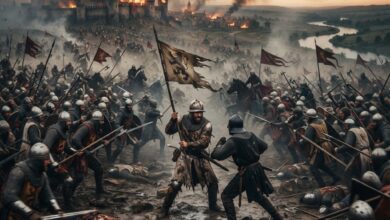
In the early days of warfare, soldiers relied heavily on traditional methods of learning battlefield skills. This included apprenticeship, hands-on training, and the passing down of knowledge from experienced veterans to new recruits. The use of primitive tools, such as swords, spears, and shields, required soldiers to develop essential skills like hand-to-hand combat, marksmanship, and tactical maneuvering. The Spartan phalanx formation, for example, relied on soldiers’ ability to work together, utilizing their shields to create an impenetrable wall of steel.
The Advent of Modern Warfare
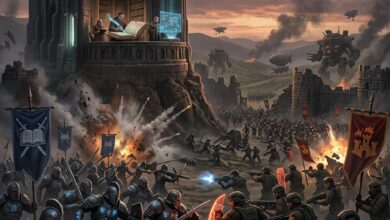
The advent of modern warfare brought about significant changes in the way soldiers learned battlefield skills. The introduction of firearms, artillery, and other advanced technologies required soldiers to adapt quickly to new environments and technologies. The Industrial Revolution also led to the development of mechanized warfare, with the introduction of tanks, aircraft, and other mechanized vehicles. Soldiers had to learn to operate and maintain these complex machines, as well as develop new tactics to utilize them effectively.
The Importance of Simulation and Training
As warfare became increasingly complex, the need for realistic and effective training methods became more pressing. The development of simulation technology, such as flight simulators and combat training simulators, allowed soldiers to practice and hone their skills in a controlled environment. This reduced the risk of injury and improved overall performance in high-stress situations. The use of simulation technology also enabled soldiers to learn from their mistakes, practicing different scenarios and outcomes in a safe and controlled environment.
Advances in Communication and Technology
The advent of modern communication technologies, such as radios, satellite phones, and internet connectivity, revolutionized the way soldiers learned battlefield skills. Real-time communication and data sharing enabled soldiers to coordinate their efforts more effectively, making them more responsive to changing situations on the battlefield. The widespread adoption of smartphones and other mobile devices also allowed soldiers to access critical information and resources at their fingertips, further enhancing their ability to learn and adapt in the heat of battle.
The Role of Leadership and Mentorship
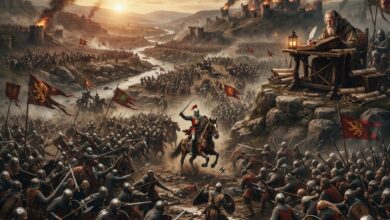
Effective leadership and mentorship have always played a crucial role in the development of battlefield skills in soldiers. Experienced leaders and mentors provide guidance, support, and encouragement to their troops, helping them to build confidence and develop the skills necessary to succeed in high-stress environments. The importance of leadership and mentorship cannot be overstated, as it is often the difference between success and failure on the battlefield.
Modern Battlefield Skills
In today’s modern military, soldiers learn a wide range of skills to prepare them for the complexities of modern warfare. This includes:
- Advanced first aid and medical procedures
- Tactical maneuvering and combat strategies
- Use of advanced communication technologies
- Operation of complex machinery and equipment
- Real-time data analysis and decision-making
These skills are honed through a combination of traditional training methods, simulation technology, and on-the-job experience. The modern soldier must be adaptable, resourceful, and able to think on their feet, making quick decisions in high-pressure situations.
Conclusion
The evolution of battlefield skills in soldiers has been shaped by countless battles, wars, and conflicts throughout history. From traditional methods to modern technologies and innovations, the process of learning battlefield skills has been a vital aspect of military training. As warfare continues to evolve, soldiers must adapt and learn new skills to remain effective on the battlefield. The importance of leadership, mentorship, and effective training cannot be overstated, as it is often the difference between success and failure on the battlefield.
FAQs
What are some of the most critical battlefield skills for modern soldiers?
Some of the most critical battlefield skills for modern soldiers include advanced first aid and medical procedures, tactical maneuvering and combat strategies, use of advanced communication technologies, operation of complex machinery and equipment, and real-time data analysis and decision-making.
How do soldiers learn battlefield skills in modern militaries?
Modern soldiers learn battlefield skills through a combination of traditional training methods, simulation technology, and on-the-job experience. They may also receive training on complex machinery and equipment, as well as advanced communication technologies.
What is the role of leadership and mentorship in the development of battlefield skills?
Effective leadership and mentorship play a crucial role in the development of battlefield skills in soldiers. Experienced leaders and mentors provide guidance, support, and encouragement to their troops, helping them to build confidence and develop the skills necessary to succeed in high-stress environments.
How has the use of simulation technology impacted the way soldiers learn battlefield skills?
The use of simulation technology has revolutionized the way soldiers learn battlefield skills, allowing them to practice and hone their skills in a controlled environment. This reduces the risk of injury and improves overall performance in high-stress situations.
What are some of the key challenges facing modern soldiers as they learn battlefield skills?
Some of the key challenges facing modern soldiers as they learn battlefield skills include adapting to new technologies and innovations, developing the skills necessary to operate complex machinery and equipment, and learning to work effectively in high-stress environments.