How Armies Crossed Mountains During War
The Challenge of Mountain Warfare
Military history is replete with examples of armies facing insurmountable obstacles during times of war. One of the most formidable challenges is crossing mountains, where steep terrain, harsh weather conditions, and limited resources make every step a grueling one. The world’s greatest armies have had to adapt, innovate, and often sacrifice to overcome the formidable barriers posed by mountainous regions. In this article, we will delve into the strategies, tactics, and technologies employed by armies to conquer the treacherous peaks and valleys of the world’s most mountainous regions.
Pre-Industrial Era: The Early Days of Mountain Warfare
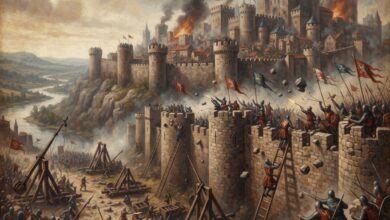
Before the advent of modern technology, armies relied heavily on manual labor, animal power, and simple engineering techniques to navigate mountainous terrain. The ancient Greeks and Romans employed simple yet effective methods such as building ramps and using pulleys to haul heavy loads up steep inclines. Similarly, during the Middle Ages, armies would often employ extensive siege engines, such as catapults and trebuchets, to breach mountain fortifications.
Early Mountain Warfare Techniques
- Ramps and pulleys
- Animal-powered carts and sleds
- Simple bridges and fords
- Siege engines, including catapults and trebuchets
The Industrial Era: New Technologies for Mountain Warfare
The Industrial Revolution brought about significant advancements in transportation, communication, and engineering, allowing armies to overcome the challenges posed by mountainous terrain. Railways, for example, enabled rapid deployment of troops and supplies over vast distances, while telegraphs facilitated swift communication between commanders. The introduction of modern engineering techniques, such as tunnel construction and cable railways, also enabled armies to conquer previously inaccessible mountainous regions.
Key Technologies of the Industrial Era
- Railways and rail-mounted artillery
- Telegraphs and wireless communication
- Tunnel construction and mountain railways
- Motorized transportation, including trucks and jeeps
Modern Era: Aerial Support and Advanced Engineering
Today, armies employ a range of advanced technologies to conquer the world’s most formidable mountainous regions. Aerial support, including helicopters and drones, enables rapid transportation of troops and supplies, while advanced engineering techniques, such as cable cars and suspension bridges, facilitate the movement of heavy equipment over steep terrain.
Modern Mountain Warfare Techniques
- Aerial support, including helicopters and drones
- Advanced engineering techniques, such as cable cars and suspension bridges
- Motorized transportation, including all-terrain vehicles
- Specialized equipment, such as snowmobiles and snowshoes
Examples of Successful Mountain Warfare Campaigns
Throughout history, armies have employed various strategies and tactics to overcome the challenges posed by mountainous terrain. In the following examples, we will examine the successes and failures of armies as they attempted to conquer the world’s most formidable mountain ranges.
Examples from World War II
- The Allied invasion of Italy, where armies employed extensive use of aerial support and advanced engineering techniques to conquer the mountainous terrain of the Italian Alps.
- The Soviet advance on Stalingrad, where the Red Army employed a range of specialized equipment, including snowmobiles and snowshoes, to overcome the harsh winter conditions of the Caucasus Mountains.
Examples from Modern Conflicts
- The US-led invasion of Afghanistan, where coalition forces employed extensive use of aerial support and advanced engineering techniques to conquer the mountainous terrain of the Hindu Kush.
- The Israeli Defense Forces’ incursion into Lebanon, where the IDF employed a range of specialized equipment, including drones and advanced engineering techniques, to overcome the challenges posed by the mountainous terrain of the Golan Heights.
Conclusion
Conquering the world’s most formidable mountainous regions has been a defining challenge for armies throughout history. From the ancient Greeks to modern-day militaries, armies have employed various strategies, tactics, and technologies to overcome the obstacles posed by steep terrain and harsh weather conditions. By examining the successes and failures of armies in mountain warfare, we can gain a deeper understanding of the complex challenges and opportunities presented by this treacherous and awe-inspiring environment.
FAQ
What were some of the earliest methods employed by armies to conquer mountainous terrain?
The earliest methods employed by armies to conquer mountainous terrain included simple engineering techniques, such as building ramps and using pulleys to haul heavy loads up steep inclines. Armies also employed animal-powered carts and sleds, as well as simple bridges and fords, to navigate the treacherous terrain.
How did the Industrial Revolution impact mountain warfare?
The Industrial Revolution brought about significant advancements in transportation, communication, and engineering, allowing armies to overcome the challenges posed by mountainous terrain. Railways enabled rapid deployment of troops and supplies, while telegraphs facilitated swift communication between commanders. The introduction of modern engineering techniques, such as tunnel construction and cable railways, also enabled armies to conquer previously inaccessible mountainous regions.
What role has aerial support played in modern mountain warfare?
Aerial support, including helicopters and drones, has played a crucial role in modern mountain warfare. It enables rapid transportation of troops and supplies, as well as the deployment of specialized equipment, such as snowmobiles and snowshoes, to overcome the challenges posed by harsh winter conditions and steep terrain.
Can you provide examples of successful mountain warfare campaigns?
Yes, several successful mountain warfare campaigns have been conducted throughout history. For example, the Allied invasion of Italy during World War II, where armies employed extensive use of aerial support and advanced engineering techniques to conquer the mountainous terrain of the Italian Alps. Similarly, the US-led invasion of Afghanistan, where coalition forces employed extensive use of aerial support and advanced engineering techniques to conquer the mountainous terrain of the Hindu Kush.
What are some of the key technologies employed in modern mountain warfare?
Modern mountain warfare employs a range of advanced technologies, including aerial support, advanced engineering techniques, and specialized equipment, such as snowmobiles and snowshoes. Armies also employ motorized transportation, including all-terrain vehicles, to navigate the treacherous terrain of the world’s most formidable mountain ranges.