Unveiling the Ancient Art of Javelin Warfare
The Early History of Javelins
As one of the earliest and most versatile throwing weapons, javelins played a significant role in ancient warfare. The origins of javelins date back to the Neolithic period, around 3000 BC, when early civilizations began to develop and refine their throwing techniques. Initially, javelins were made from wood, bone, or stone, and were often used for hunting and self-defense. However, as civilizations grew and warfare became more complex, the design and materials used for javelins evolved to become a crucial component of ancient armies.
The earliest recorded use of javelins in warfare was by the ancient Greeks, who employed them extensively in their battles. The Greek historian Herodotus wrote about the use of javelins by the Scythians, a nomadic people from modern-day Ukraine, who were known for their lightning-fast throwing techniques. The Greeks adopted and adapted these techniques, incorporating javelins into their own armies, where they became a staple of their fighting style.
The Design and Construction of Javelins
Early javelins were relatively simple in design, with a wooden or bone shaft, a pointed metal tip, and a string or leather thong to hold the throwing arm in place. As civilizations advanced, so did the design and materials used for javelins. The ancient Greeks, for example, used bronze and iron tips, which were more durable and effective than their earlier counterparts. The Romans, who borrowed many of their military tactics from the Greeks, further refined the design of javelins, using more sophisticated materials and techniques to create a more effective throwing weapon.
The construction of javelins also evolved over time. Initially, javelins were often made by hand, using simple tools and techniques. As civilizations developed, more advanced tools and techniques were used, allowing for the mass production of javelins. The Romans, for example, developed a system of mass-producing javelins, using molds to create the wooden shafts and metal tips.
The Role of Javelins in Ancient Warfare
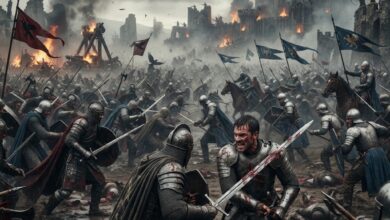
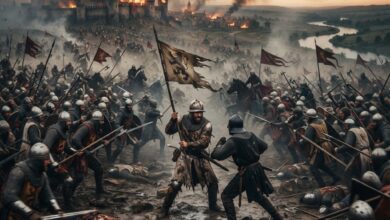
Javelins played a crucial role in ancient warfare, particularly in the early days of civilizations. They were used for a variety of purposes, including hunting, self-defense, and warfare. In ancient battles, javelins were often used as a prelude to hand-to-hand combat, allowing warriors to weaken their opponents before engaging them in close combat. The speed and agility required to wield a javelin effectively made it an ideal tool for ancient armies, who often relied on quick, decisive movements to gain an advantage over their opponents.
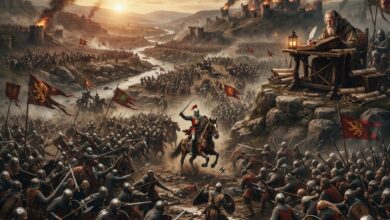
The use of javelins in ancient warfare also had a significant impact on the development of tactics and strategies. The ancient Greeks, for example, developed a system of tactics that relied heavily on the use of javelins. Their armies employed a “phalanx” formation, where soldiers stood shoulder-to-shoulder and presented a wall of shields to the enemy, while also using javelins to weaken and disrupt their opponents. This tactic was highly effective and became a hallmark of ancient Greek warfare.
The Decline of Javelins in Warfare
As civilizations advanced and new technologies became available, the use of javelins in warfare began to decline. The introduction of more advanced throwing weapons, such as the bow and arrow, and the development of more sophisticated armor and defensive tactics, made the use of javelins less effective and less practical. Additionally, the increasing use of cavalry and other mounted troops made the need for javelins less pressing, as cavalry units could quickly and easily outmaneuver and outrun their opponents.
Despite their decline in use, the legacy of javelins in ancient warfare continues to be felt. The development of tactics and strategies that relied on the use of javelins had a lasting impact on the development of warfare, and the techniques and technologies used in the construction of javelins continue to influence modern-day design and manufacturing techniques.
Conclusion
From their early origins to their eventual decline, javelins played a significant role in ancient warfare. Their use as a throwing weapon, their design and construction, and their impact on tactics and strategies all contribute to a deeper understanding of the complex and ever-changing nature of warfare throughout history. As we continue to explore and learn from the past, the legacy of javelins serves as a reminder of the ongoing evolution of warfare and the importance of adaptability and innovation in the face of changing circumstances.
FAQs
What were the primary materials used to construct javelins in ancient times?
In ancient times, javelins were constructed using a variety of materials, including wood, bone, stone, bronze, and iron. The choice of material often depended on the availability of resources, the level of technological advancement, and the specific needs of the user.
How did the design of javelins evolve over time?
The design of javelins evolved significantly over time, with early javelins being relatively simple in design and later becoming more sophisticated, with the use of bronze and iron tips, and more advanced materials and techniques.
What was the primary use of javelins in ancient warfare?
The primary use of javelins in ancient warfare was as a throwing weapon, used to weaken and disrupt opponents before engaging them in close combat. They were also used for hunting and self-defense.
Why did the use of javelins decline in warfare?
The use of javelins declined in warfare due to the introduction of more advanced throwing weapons, such as the bow and arrow, and the development of more sophisticated armor and defensive tactics. The increasing use of cavalry and other mounted troops also made the need for javelins less pressing.