Choosing the Perfect Battlefield: Ancient Armies’ Strategies
Ancient Armies’ Quest for Victory
In the annals of military history, the art of choosing a battlefield has been a crucial factor in determining the outcome of battles. From the pharaohs of ancient Egypt to the emperors of ancient Rome, commanders have always sought to gain an advantage by selecting the perfect terrain for their armies. But what makes a battlefield perfect? Is it the terrain, the geography, or the strategic position? In this article, we will delve into the strategies employed by ancient armies to choose their battlefields and examine the key factors that influenced their decisions.
The Importance of Terrain
Terrain has always played a significant role in determining the outcome of battles. Ancient armies recognized the importance of terrain and sought to exploit it to their advantage. The terrain could provide a natural barrier to enemy movements, offer defensive positions, or create opportunities for ambushes. A commander who understood the terrain could choose a battlefield that would neutralize the enemy’s strengths while amplifying their own.
Geography and the Art of Terrain Selection
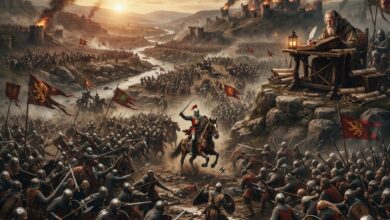
When choosing a battlefield, ancient armies considered the geography of the surrounding area. They sought to identify the high ground, the valleys, and the rivers. The high ground offered a commanding view of the surrounding area, allowing commanders to spot enemy movements and prepare for potential attacks. Valleys and rivers provided natural barriers that could be used to funnel enemy forces into kill zones or prevent them from flanking the army.
The Art of Ambush and Stealth
Ancient armies often employed the art of ambush and stealth to gain an advantage over their enemies. By choosing a battlefield with natural concealment, such as forests, hills, or mountains, commanders could set up traps and ambushes that would catch the enemy off guard. The use of stealth and surprise allowed ancient armies to overcome numerically superior forces or exploit the enemy’s weaknesses.
Strategic Positioning
Strategic positioning was another key factor in choosing a battlefield. Ancient armies sought to position themselves in a way that would allow them to control the flow of the battle. By choosing a battlefield that offered a commanding view of the surrounding area, commanders could direct their troops and coordinate their attacks. A strategic position could also provide opportunities for flanking maneuvers or encirclement, allowing ancient armies to surround and defeat their enemies.
The Importance of Logistics and Supply
Logistics and supply played a significant role in the success of ancient armies. A commander who understood the importance of logistics could choose a battlefield that would provide access to resources, such as water, food, and medical supplies. The ability to resupply and reinforce troops was crucial in long battles, and ancient armies often chose battlefields that offered access to these resources.
The Role of Intelligence and Scouting
Intelligence and scouting were essential components of ancient armies’ strategies. By gathering information about the enemy’s movements, strength, and dispositions, commanders could choose a battlefield that would exploit the enemy’s weaknesses. Ancient armies employed scouts and spies to gather information about the enemy’s plans and movements, allowing them to adapt their strategies accordingly.
Conclusion
The art of choosing a battlefield has been a crucial factor in determining the outcome of battles throughout history. Ancient armies employed a range of strategies to choose their battlefields, from understanding the terrain and geography to employing the art of ambush and stealth. By considering the key factors that influenced ancient armies’ decisions, we can gain a deeper understanding of the complexities of warfare and the importance of strategy in achieving victory.
FAQ
What was the most important factor in choosing a battlefield for ancient armies?
The most important factor in choosing a battlefield for ancient armies was the terrain. They recognized the importance of terrain in determining the outcome of battles and sought to exploit it to their advantage. The terrain could provide a natural barrier to enemy movements, offer defensive positions, or create opportunities for ambushes.
How did ancient armies use logistics and supply to their advantage?
Ancient armies understood the importance of logistics and supply in the success of their troops. They chose battlefields that offered access to resources, such as water, food, and medical supplies. The ability to resupply and reinforce troops was crucial in long battles, and ancient armies often chose battlefields that offered access to these resources.
What was the role of intelligence and scouting in ancient armies’ strategies?
Intelligence and scouting were essential components of ancient armies’ strategies. By gathering information about the enemy’s movements, strength, and dispositions, commanders could choose a battlefield that would exploit the enemy’s weaknesses. Ancient armies employed scouts and spies to gather information about the enemy’s plans and movements, allowing them to adapt their strategies accordingly.
How did ancient armies use the art of ambush and stealth to their advantage?
Ancient armies often employed the art of ambush and stealth to gain an advantage over their enemies. By choosing a battlefield with natural concealment, such as forests, hills, or mountains, commanders could set up traps and ambushes that would catch the enemy off guard. The use of stealth and surprise allowed ancient armies to overcome numerically superior forces or exploit the enemy’s weaknesses.
What was the significance of strategic positioning in ancient armies’ strategies?
Strategic positioning was another key factor in choosing a battlefield. Ancient armies sought to position themselves in a way that would allow them to control the flow of the battle. By choosing a battlefield that offered a commanding view of the surrounding area, commanders could direct their troops and coordinate their attacks. A strategic position could also provide opportunities for flanking maneuvers or encirclement, allowing ancient armies to surround and defeat their enemies.