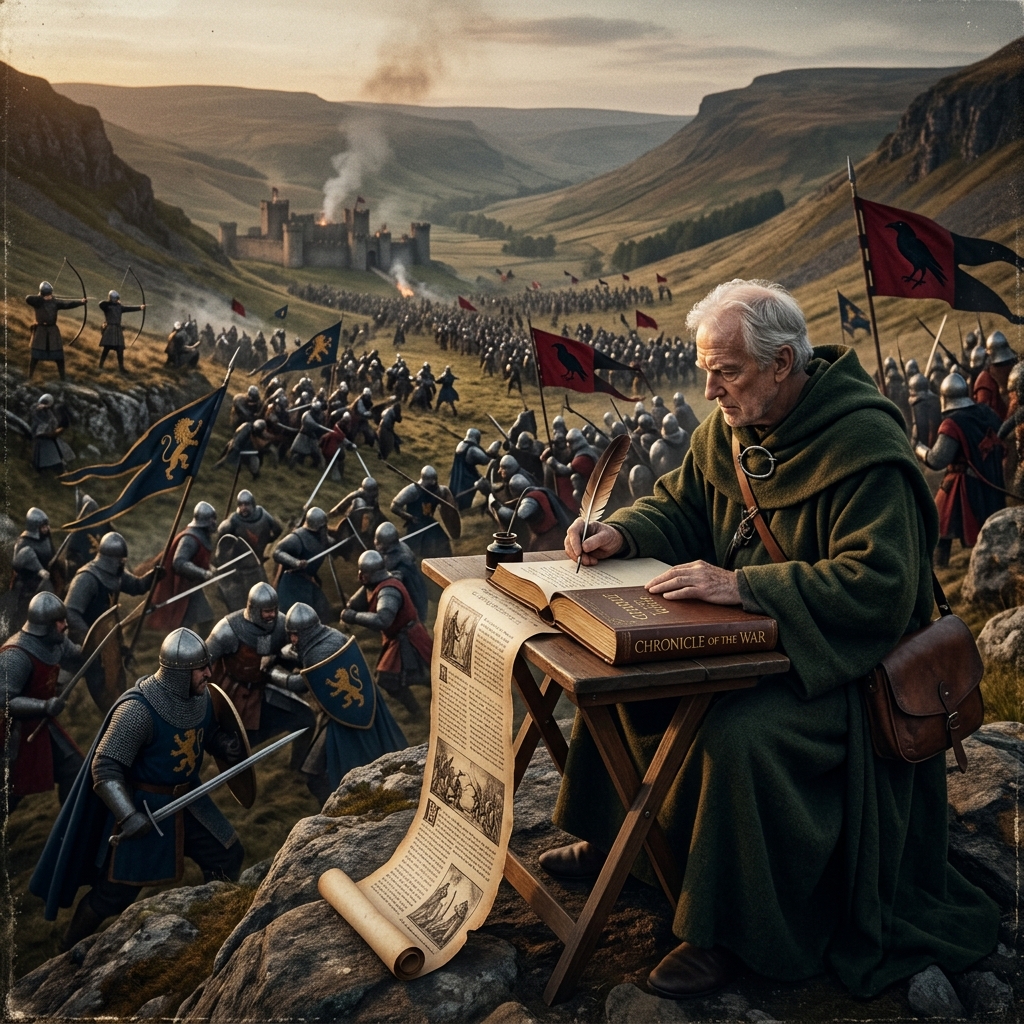
How Leaders Motivated Ancient Soldiers
The Importance of Motivation in Ancient Warfare
Motivation is a vital component of any successful organization, including ancient armies. In times of war, the morale and motivation of soldiers can be the difference between victory and defeat. The leaders of ancient armies understood this and developed various techniques to motivate their troops.
The Role of the Leader in Motivating Soldiers
A leader’s ability to motivate their soldiers is crucial in determining the outcome of a battle. A motivated soldier is more likely to fight bravely, take risks, and overcome challenges. Ancient leaders recognized this and employed various strategies to motivate their troops, including inspirational speeches, personal connections, and recognition of individual achievements.
Inspirational Speeches: A Timeless Motivation Technique
One of the most effective ways to motivate soldiers is through inspirational speeches. Ancient leaders would often give speeches to boost their troops’ morale and motivation. These speeches would typically emphasize the importance of the mission, the bravery of the soldiers, and the consequences of defeat. By appealing to their soldiers’ emotions and values, leaders could rally their troops and prepare them for battle.
The ancient Greek historian, Herodotus, described how the Persian king, Darius, motivated his soldiers before the Battle of Marathon. According to Herodotus, Darius told his soldiers that if they won the battle, they would be rewarded with gold and silver, and if they lost, they would be enslaved. This speech had a profound effect on the soldiers, and they fought with great courage and determination.
Personal Connections: Building Trust and Loyalty
Another effective way to motivate soldiers is through personal connections. Ancient leaders would often establish close relationships with their soldiers, which helped to build trust and loyalty. By doing so, leaders could understand their soldiers’ needs, fears, and motivations, and tailor their strategies accordingly.
The ancient Roman general, Julius Caesar, was known for his ability to connect with his soldiers. Caesar would often walk among his troops, listening to their concerns and offering words of encouragement. This personal touch helped to build a strong bond between Caesar and his soldiers, which was essential for their success in battle.
Recognition of Individual Achievements: A Powerful Motivation Tool
Recognition of individual achievements is a powerful motivation tool that ancient leaders employed to motivate their soldiers. By acknowledging and rewarding individual achievements, leaders could boost their soldiers’ morale and motivation, and encourage them to perform even better.
The ancient Greek historian, Thucydides, described how the Athenian general, Pericles, motivated his soldiers through recognition of individual achievements. According to Thucydides, Pericles would often recognize and reward individual soldiers who performed outstandingly in battle. This practice helped to boost the morale of the soldiers and encouraged them to perform even better in future battles.
The Importance of a Clear Sense of Purpose
A clear sense of purpose is essential for motivating soldiers. Ancient leaders understood this and developed various strategies to communicate their vision and goals to their troops. By doing so, leaders could inspire their soldiers to perform at their best and achieve their objectives.
The ancient Roman general, Hannibal, was known for his ability to communicate his vision and goals to his soldiers. Hannibal would often explain the importance of their mission and the consequences of defeat. This clear sense of purpose helped to motivate his soldiers and inspire them to perform bravely in battle.
Conclusion
The leaders of ancient armies understood the importance of motivation in achieving success in battle. Through various techniques, such as inspirational speeches, personal connections, recognition of individual achievements, and a clear sense of purpose, leaders could motivate their soldiers and inspire them to perform at their best.
These techniques are still relevant today, and leaders in various fields can learn from the experiences of ancient leaders. By understanding the importance of motivation and employing effective strategies to motivate their teams, leaders can achieve great success and overcome even the most daunting challenges.
FAQs
Q: What is the most effective way to motivate soldiers?
A: The most effective way to motivate soldiers is through a combination of inspirational speeches, personal connections, recognition of individual achievements, and a clear sense of purpose. By employing these techniques, leaders can inspire their troops to perform at their best and achieve their objectives.
Q: How can leaders build trust and loyalty with their soldiers?
A: Leaders can build trust and loyalty with their soldiers by establishing close relationships with them, listening to their concerns, and offering words of encouragement. By doing so, leaders can understand their soldiers’ needs, fears, and motivations, and tailor their strategies accordingly.
Q: What is the importance of recognizing individual achievements?
A: Recognizing individual achievements is a powerful motivation tool that can boost the morale and motivation of soldiers. By acknowledging and rewarding individual achievements, leaders can encourage their soldiers to perform even better and achieve their objectives.
Q: How can leaders communicate their vision and goals to their soldiers?
A: Leaders can communicate their vision and goals to their soldiers by explaining the importance of their mission and the consequences of defeat. By doing so, leaders can inspire their soldiers to perform at their best and achieve their objectives.