Why Siege Warfare Took So Long
A Brief History of Siege Warfare
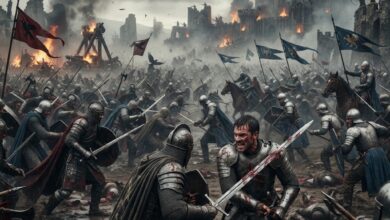
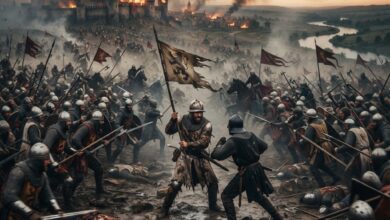
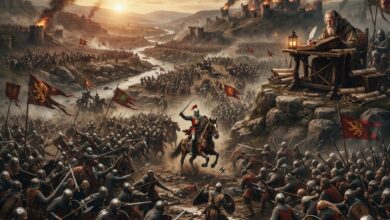
Siege warfare has been a cornerstone of military strategy for thousands of years, with evidence of its use dating back to ancient civilizations such as the Egyptians and the Greeks. The concept of besieging a fortified position, whether it be a castle, a city, or a stronghold, has been employed by armies and leaders throughout history. However, despite its long history, siege warfare has always been a time-consuming and labor-intensive process, often taking weeks, months, or even years to achieve a successful outcome.
The Challenges of Siege Warfare
There are several reasons why siege warfare has always been a slow and laborious process. One of the primary challenges is the difficulty of breaching the defenses of a fortified position. Fortified walls, towers, and gates have been the hallmark of siege warfare for centuries, and breaking through these defenses requires a significant amount of time, effort, and resources. The ancient Greeks, for example, would often spend months or even years besieging a city, only to be repelled by the defenders.
The Importance of Logistics
Another significant challenge in siege warfare is the need for logistics. A besieging army requires a steady supply of food, water, and ammunition, which can be difficult to maintain over an extended period of time. The Roman legions, for example, would often have to transport their supplies over long distances, using siege engines, catapults, and other equipment to breach the defenses of the besieged city.
The Role of Technology in Siege Warfare
Technology has played a significant role in the development of siege warfare, with the invention of new engines and machines making it possible to breach even the most formidable defenses. The ancient Greeks, for example, developed the torsion catapult, which was capable of launching heavy projectiles over long distances. The Romans, on the other hand, developed the ballista, a powerful siege engine that could fire heavy stones and other projectiles at the defenders of a besieged city.
The Psychological Aspect of Siege Warfare
Siege warfare is also a highly psychological aspect of warfare, with the defenders of a besieged city often using psychological tactics to weaken the morale of the besieging army. The defenders would often use propaganda, intimidation, and other tactics to make the besieging army doubt their ability to breach the defenses of the city. The ancient Greeks, for example, would often use the tactic of “fear of the gods” to intimidate their enemies and make them doubt their ability to win.
The Conclusion of Siege Warfare
Siege warfare has been a cornerstone of military strategy for thousands of years, with evidence of its use dating back to ancient civilizations such as the Egyptians and the Greeks. Despite its long history, siege warfare has always been a time-consuming and labor-intensive process, often taking weeks, months, or even years to achieve a successful outcome. The challenges of siege warfare, including the difficulty of breaching the defenses of a fortified position, the need for logistics, the role of technology, and the psychological aspect of siege warfare, have all contributed to the slow and laborious nature of this type of warfare.
FAQs
Q: What were the most common methods used in siege warfare?
The most common methods used in siege warfare include the use of siege engines, catapults, and other machines to breach the defenses of a fortified position. The defenders of a besieged city would often use tactics such as propaganda, intimidation, and other psychological tactics to weaken the morale of the besieging army.
Q: How did the ancient Greeks use siege warfare?
The ancient Greeks used siege warfare extensively, developing the torsion catapult and other machines to breach the defenses of fortified positions. They would often use the tactic of “fear of the gods” to intimidate their enemies and make them doubt their ability to win.
Q: What was the role of logistics in siege warfare?
Logistics played a significant role in siege warfare, with the besieging army requiring a steady supply of food, water, and ammunition to maintain their efforts over an extended period of time. The need for logistics often made siege warfare a slow and laborious process.
Q: How did the Romans use siege warfare?
The Romans used siege warfare extensively, developing the ballista and other machines to breach the defenses of fortified positions. They would often use propaganda and other psychological tactics to weaken the morale of their enemies and make them doubt their ability to win.