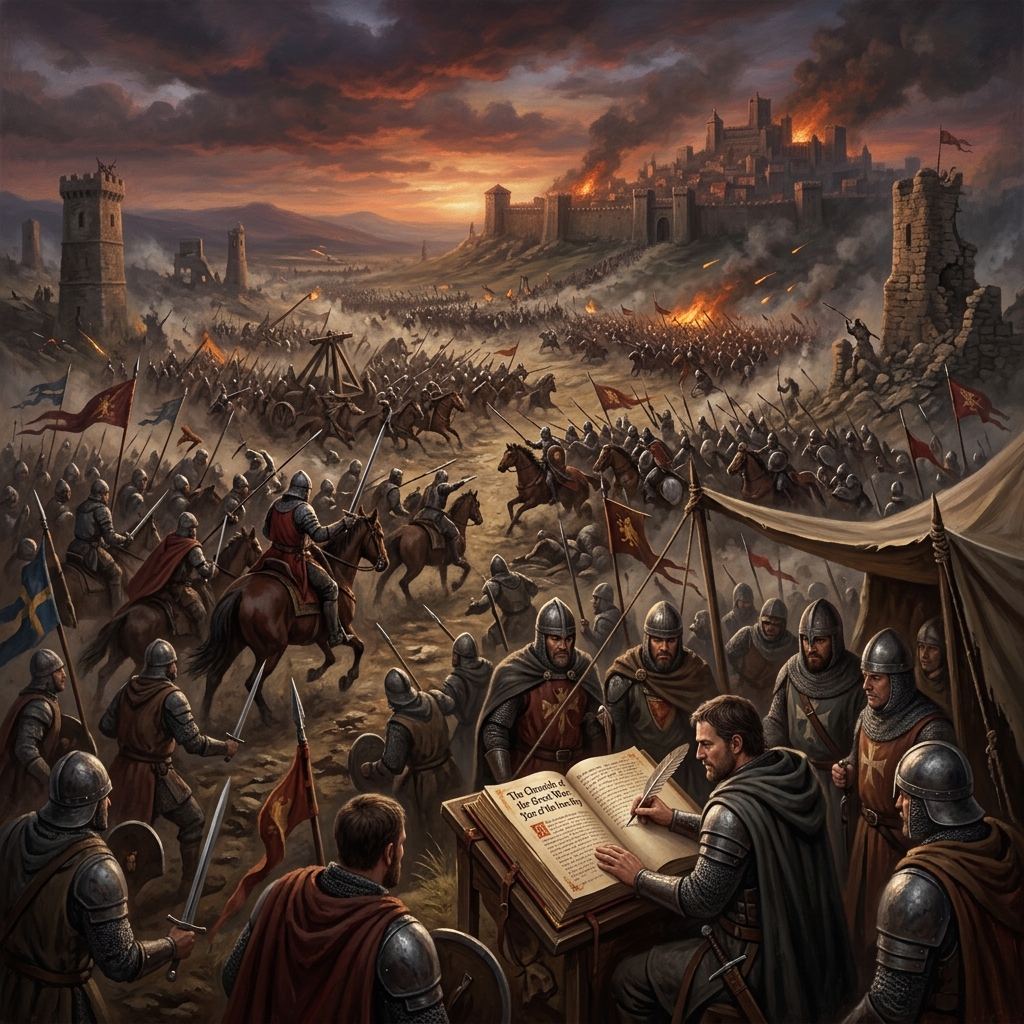
How Alexander Defeated Larger Armies
The Rise of a Military Genius
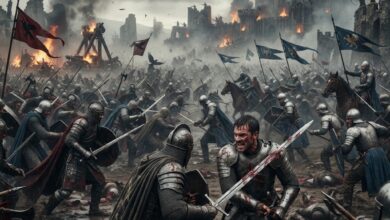
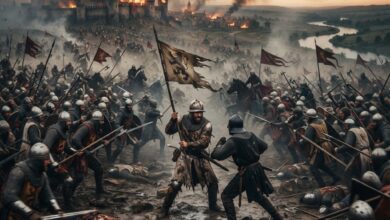
In the 4th century BCE, the ancient world was dominated by larger armies, each with its own powerful empires. Among these, the Persian Empire was the most significant, covering a vast territory from modern-day Iran to Egypt. However, a young and ambitious king from Macedon, Alexander III, also known as Alexander the Great, was about to change the course of history. Born in 356 BCE, Alexander was the son of King Philip II of Macedon, a renowned military strategist. Under his father’s tutelage, Alexander received a comprehensive education in warfare, philosophy, and diplomacy.
Alexander’s military career began when he was appointed as a commander of the royal bodyguards. However, it was his participation in the Battle of Chaeronea in 338 BCE that showcased his exceptional leadership skills. Although the battle was lost, Alexander’s bravery and strategic thinking impressed his father, who soon entrusted him with key military responsibilities.
Strategies and Innovations
Alexander’s military success was not solely due to his bravery or the Macedonian phalanx formation, but also to his innovative strategies and adaptations. He was a master of exploiting the terrain and using the natural environment to his advantage. For instance, at the Battle of Granicus in 334 BCE, Alexander employed a bold tactic by using his cavalry to attack the Persian forces from the rear, while his infantry engaged them head-on.
Another key factor in Alexander’s success was his ability to analyze the enemy’s strengths and weaknesses. He studied the Persian army’s tactics and adapted his own strategies to counter them. At the Battle of Issus in 333 BCE, Alexander cleverly used his infantry to hold off the enemy while his cavalry attacked from the side, ultimately leading to a decisive victory.
The Phalanx Formation
The Macedonian phalanx formation was a significant innovation in warfare. This formation, developed by Alexander’s father, consisted of a dense line of heavily armored infantrymen, each equipped with a long spear called a pike. The phalanx formation provided the Macedonians with a formidable defensive line that was nearly impenetrable to enemy cavalry.
However, Alexander’s greatest innovation was his ability to adapt the phalanx formation to different battle scenarios. He would often use his phalanx to anchor his flanks while his cavalry and lighter infantry units attacked the enemy’s weak points. This strategic flexibility allowed Alexander to achieve victories against larger armies.
Leadership and Morale
Alexander’s leadership skills were not limited to his military tactics. He was also a skilled diplomat and a charismatic leader who inspired loyalty and devotion in his soldiers. He understood the importance of maintaining high morale and motivation among his troops. By promoting his soldiers to higher ranks based on merit, rather than birth or wealth, Alexander created a sense of camaraderie and shared purpose among his men.
Moreover, Alexander’s willingness to listen to his soldiers’ concerns and address them directly helped to build trust and loyalty. This leadership style was instrumental in maintaining the morale of his troops during long and grueling campaigns. As a result, Alexander’s soldiers were willing to follow him into the most perilous of situations, and their loyalty and bravery were a key factor in his military successes.
The Conquest of Persia
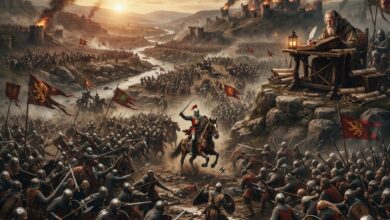
The conquest of Persia was Alexander’s greatest military achievement. He marched his army through modern-day Turkey and into Persia, facing numerous battles against the Persian Empire’s armies. Despite being outnumbered, Alexander’s tactics and strategies allowed him to achieve a series of decisive victories, culminating in the Battle of Gaugamela in 331 BCE.
At Gaugamela, Alexander employed his famous “hook and right” tactic, where his phalanx formation would hook to the right and envelop the enemy’s flank. This maneuver allowed Alexander’s army to encircle the Persian forces and ultimately led to their defeat.
Legacy and Conclusion
Alexander the Great’s military campaigns and strategies have been studied for centuries. His innovative tactics, leadership skills, and adaptability in the face of adversity have inspired countless military leaders throughout history. Despite being outnumbered and facing seemingly insurmountable challenges, Alexander’s bravery and strategic thinking allowed him to achieve victories against larger armies.
As we reflect on Alexander’s military campaigns, we can learn valuable lessons about leadership, strategy, and the importance of adapting to changing circumstances. Alexander’s legacy extends far beyond his military conquests; he has inspired generations of leaders and continues to shape the course of history to this day.
FAQs
Q: What was the significance of the Macedonian phalanx formation?
The Macedonian phalanx formation was a dense line of heavily armored infantrymen, each equipped with a long spear called a pike. This formation provided the Macedonians with a formidable defensive line that was nearly impenetrable to enemy cavalry.
Q: How did Alexander adapt the phalanx formation to different battle scenarios?
Alexander would often use his phalanx to anchor his flanks while his cavalry and lighter infantry units attacked the enemy’s weak points. This strategic flexibility allowed Alexander to achieve victories against larger armies.
Q: What was Alexander’s leadership style?
Alexander’s leadership style was characterized by his willingness to listen to his soldiers’ concerns, address them directly, and promote his soldiers to higher ranks based on merit. This leadership style helped to build trust and loyalty among his troops.
Q: What was the outcome of the Battle of Gaugamela?
The Battle of Gaugamela in 331 BCE was a decisive victory for Alexander, where he employed his famous “hook and right” tactic to encircle the Persian forces and ultimately lead to their defeat.