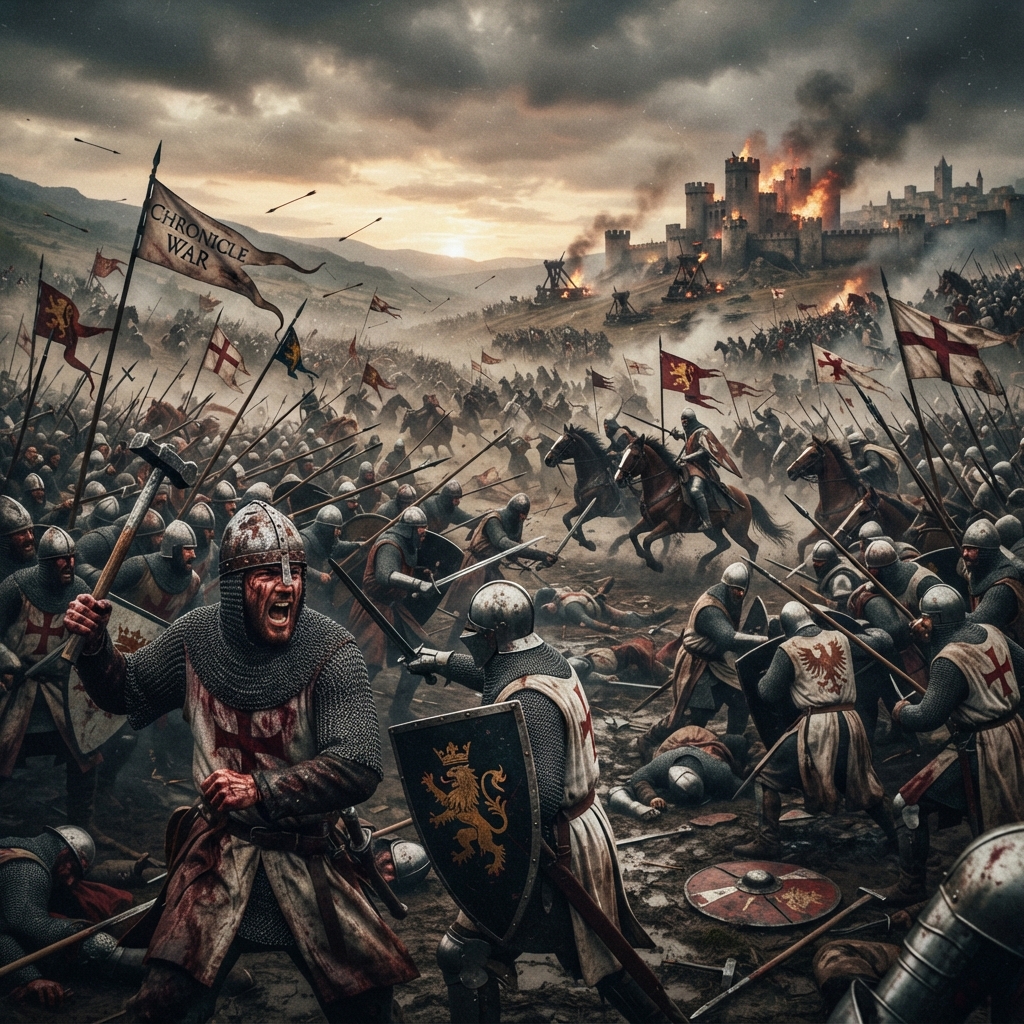
Manipulating Public Opinion: The Art of War Propaganda in Ancient Times
The Origins of War Propaganda
War propaganda, a term coined in the 20th century, has its roots in ancient civilizations. The concept of manipulating public opinion through media and messaging has been around for millennia, with ancient rulers employing various tactics to sway the masses and justify their military endeavors. This article delves into the world of ancient war propaganda, exploring how rulers used persuasion, deception, and manipulation to shape public opinion and advance their agendas.
The Role of Ancient Media in War Propaganda
Before the advent of modern media, ancient civilizations relied on various forms of communication to disseminate information and shape public opinion. These included:
- Public orations and speeches
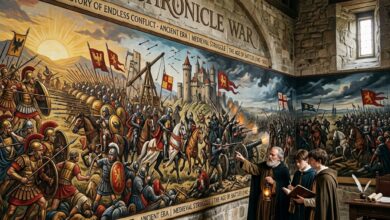
- Carved or painted images and murals
- Oral traditions and storytelling
- Written texts, such as scrolls and inscriptions
These forms of communication played a crucial role in ancient war propaganda, allowing rulers to reach a wide audience and shape the narrative surrounding military campaigns.
The Use of Mythology and Symbolism in War Propaganda
Ancient rulers often employed mythology and symbolism to legitimize their military actions and create a sense of divine backing. This could involve:
- Associating themselves with gods or mythical figures
- Using symbolic imagery, such as the eagle or lion, to represent their power and authority
- Claiming divine right or a mandate from the gods to justify their actions
By tapping into the collective unconscious and exploiting cultural symbolism, ancient rulers could create a sense of mystique and legitimacy around their military campaigns.
The Power of Persuasion: Ancient Rulers and Their Oratory Skills
Public speaking and oratory skills were highly valued in ancient civilizations. Rulers would often use their eloquence to sway public opinion, making impassioned speeches to justify their military actions and rally support for their campaigns. This could involve:
- Appealing to emotions, rather than reason, to create a sense of urgency and patriotism
- Using rhetorical devices, such as metaphors and allusions, to create a sense of grandeur and drama
- Employing a sense of authority and gravitas to command respect and attention
By mastering the art of public speaking, ancient rulers could shape public opinion and create a sense of inevitability around their military actions.
Deception and Manipulation: The Dark Side of War Propaganda
While ancient rulers often employed legitimate means to justify their military actions, they also resorted to deception and manipulation to further their agendas. This could involve:
- Spreading false information or propaganda to create a sense of fear or panic
- Using spies and agents to infiltrate enemy ranks and gather intelligence
- Employing torture or coercion to extract information from enemies or dissenters
By employing these tactics, ancient rulers could create a sense of chaos and confusion, making it difficult for their enemies to respond effectively.
The Legacy of Ancient War Propaganda
Today, the tactics employed by ancient rulers to shape public opinion and justify their military actions can be seen in modern times. The use of media, symbolism, and persuasion to sway public opinion is still employed by politicians and leaders around the world. While the methods may have evolved, the underlying principles remain the same.
Conclusion
War propaganda, in all its forms, has been a tool of ancient rulers to shape public opinion and advance their agendas. By understanding the tactics employed by these rulers, we can gain insight into the nature of persuasion, deception, and manipulation, and how they are still used today. The art of war propaganda may be an ancient one, but its legacy continues to shape our world.
Frequently Asked Questions
Q: How did ancient rulers use mythology and symbolism in war propaganda?
A: Ancient rulers often employed mythology and symbolism to legitimize their military actions and create a sense of divine backing. This could involve associating themselves with gods or mythical figures, using symbolic imagery, such as the eagle or lion, to represent their power and authority, and claiming divine right or a mandate from the gods to justify their actions.
Q: What role did public speaking play in ancient war propaganda?
A: Public speaking and oratory skills were highly valued in ancient civilizations. Rulers would often use their eloquence to sway public opinion, making impassioned speeches to justify their military actions and rally support for their campaigns. This could involve appealing to emotions, rather than reason, to create a sense of urgency and patriotism, using rhetorical devices, such as metaphors and allusions, to create a sense of grandeur and drama, and employing a sense of authority and gravitas to command respect and attention.
Q: How did ancient rulers use deception and manipulation in war propaganda?
A: While ancient rulers often employed legitimate means to justify their military actions, they also resorted to deception and manipulation to further their agendas. This could involve spreading false information or propaganda to create a sense of fear or panic, using spies and agents to infiltrate enemy ranks and gather intelligence, and employing torture or coercion to extract information from enemies or dissenters.
Q: What is the legacy of ancient war propaganda in modern times?
A: The tactics employed by ancient rulers to shape public opinion and justify their military actions can be seen in modern times. The use of media, symbolism, and persuasion to sway public opinion is still employed by politicians and leaders around the world. By understanding the tactics employed by these rulers, we can gain insight into the nature of persuasion, deception, and manipulation, and how they are still used today.