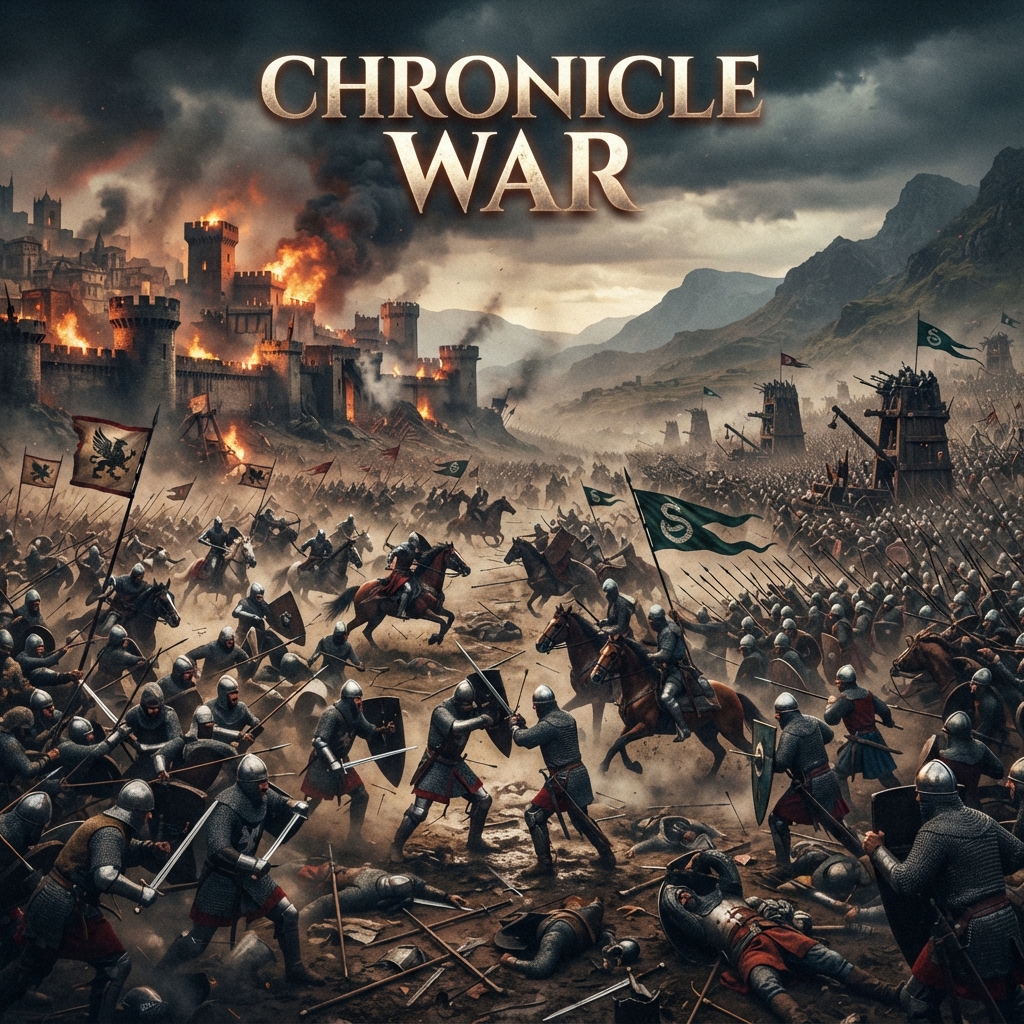
How Military Messengers Delivered Orders
A Brief History of Military Communication
Throughout history, military messengers have played a crucial role in the delivery of orders, news, and vital information across battlefields and between commanders. From ancient civilizations to modern times, the art of military communication has evolved significantly, but the core principles of speed, accuracy, and reliability have remained constant. In this article, we’ll delve into the world of military messengers, exploring the methods they used to deliver orders, the challenges they faced, and the impact they had on the outcome of battles and wars.
The Early Days of Military Messengers
In ancient times, messengers were often used as couriers to convey information between armies, leaders, and even empires. The Egyptians, for example, used messengers to deliver orders and news across their vast territories. These early messengers relied on horseback riding, running, or even sailing to convey their messages. The speed and reliability of these messengers were crucial, as they often determined the success or failure of military campaigns.
The Development of Signal Corps
As civilizations evolved, so did the methods of communication. The ancient Greeks and Romans developed a sophisticated system of messengers and signal corps to convey information across vast distances. They used a combination of horseback riding, signal fires, and lanterns to convey messages, often with remarkable speed and accuracy. The Roman signal corps, for example, was renowned for its efficiency and reliability, often delivering messages in as little as 10-15 minutes.
Modern Military Communication
With the advent of modern technology, military communication has undergone a significant transformation. The invention of the telegraph, followed by radio communication, and later, satellite communication, has enabled military commanders to communicate quickly and accurately across vast distances. Today, modern military messengers use a range of technologies, including satellite phones, secure email, and encrypted messaging apps to convey vital information.
The Importance of Timely Delivery
Delivering orders and news in a timely manner has always been crucial in military communication. Whether it’s a simple message or a complex set of instructions, the speed of delivery can make all the difference in the outcome of a battle or a campaign. In many cases, the delay in delivering orders has led to catastrophic consequences, such as the loss of a battle or the failure of a military operation.
The Challenges of Military Messengers
Military messengers have faced numerous challenges throughout history. From enemy attacks to harsh environments, these messengers have had to adapt and innovate to ensure the delivery of vital information. In ancient times, messengers faced the dangers of bandits, wild animals, and harsh weather conditions, while in modern times, they must contend with sophisticated enemy communication systems and advanced technologies.
The Impact of Military Messengers
The impact of military messengers on the outcome of battles and wars cannot be overstated. From the ancient Egyptians to modern-day militaries, these messengers have played a crucial role in shaping the course of history. By delivering orders and news in a timely manner, they have enabled commanders to make informed decisions, coordinate their forces, and ultimately, achieve their objectives.
Conclusion
Military messengers have played a vital role in the delivery of orders and news throughout history. From ancient civilizations to modern times, their methods have evolved significantly, but the core principles of speed, accuracy, and reliability have remained constant. As we reflect on the importance of military communication, we are reminded of the crucial role that messengers have played in shaping the course of history.
FAQs
Q: What was the primary method of communication used by ancient messengers?
A: Ancient messengers relied on horseback riding, running, or sailing to convey their messages. The speed and reliability of these messengers were crucial, as they often determined the success or failure of military campaigns.
Q: How did the ancient Greeks and Romans develop their signal corps?
A: The ancient Greeks and Romans developed a sophisticated system of messengers and signal corps to convey information across vast distances. They used a combination of horseback riding, signal fires, and lanterns to convey messages, often with remarkable speed and accuracy.
Q: What is the significance of timely delivery in military communication?
A: Delivering orders and news in a timely manner has always been crucial in military communication. Whether it’s a simple message or a complex set of instructions, the speed of delivery can make all the difference in the outcome of a battle or a campaign.
Q: What are the challenges faced by modern military messengers?
A: Modern military messengers face numerous challenges, including sophisticated enemy communication systems, advanced technologies, and harsh environments. They must adapt and innovate to ensure the delivery of vital information.
Q: What is the impact of military messengers on the outcome of battles and wars?
A: The impact of military messengers on the outcome of battles and wars cannot be overstated. By delivering orders and news in a timely manner, they have enabled commanders to make informed decisions, coordinate their forces, and ultimately, achieve their objectives.