**Preparation for Battle: The Strategies and Tactics of Military Leaders**
Introduction
The art of warfare has been studied and perfected for centuries. From the ancient civilizations of Greece and Rome to modern-day conflicts, military leaders have consistently demonstrated the ability to prepare for and execute complex battles. The key to success lies in the strategic planning, tactical execution, and adaptability exhibited by these leaders. In this article, we will delve into the world of military leaders, examining how they prepared for major battles throughout history.
The Art of Preparation
Intelligence Gathering and Analysis
The first step in preparing for a major battle is gathering intelligence on the enemy. Military leaders have long recognized the importance of gathering information about the opposing force, including their strengths, weaknesses, and tactics. This information is then analyzed to identify potential vulnerabilities and develop strategies to exploit them.
- Gathering intelligence can be achieved through various means, including spies, scouts, and reconnaissance missions.
- Analysis of this intelligence is crucial in determining the best course of action.
Developing a Battle Plan
A well-crafted battle plan is essential to the success of any military operation. This plan outlines the objectives, strategies, and tactics to be employed during the battle. It also takes into account the strengths and weaknesses of the opposing force, as well as the terrain and weather conditions.
- A battle plan should be flexible and adaptable to changing circumstances.
- It should also account for potential contingencies and have a clear exit strategy.
Tactical Execution
Order of Battle and Deployment
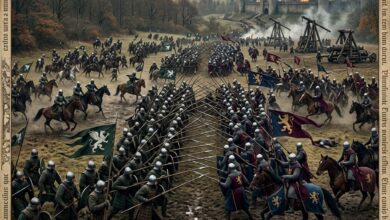
The order of battle refers to the arrangement of troops on the battlefield. Military leaders must carefully consider the deployment of their forces, taking into account the terrain, enemy positions, and the objectives of the battle.
- A well-organized order of battle can greatly enhance the chances of success.
- It is essential to strike a balance between offense and defense, allocating sufficient forces to achieve the objectives.
Logistics and Supply Chain Management
Logistics and supply chain management are critical components of any military operation. Military leaders must ensure that their forces have access to the necessary resources, including food, water, ammunition, and medical supplies.
- A well-organized logistics system can greatly enhance the effectiveness of the military operation.
- It is essential to establish a robust supply chain to support the troops.
Leadership and Communication
Effective Leadership
Effective leadership is crucial to the success of any military operation. Military leaders must be able to inspire and motivate their troops, while also making sound strategic decisions. They must be able to adapt to changing circumstances and make quick decisions in high-pressure situations.
- A strong and effective leader can greatly enhance the morale and motivation of the troops.
- They must be able to communicate effectively with their troops and other leaders.
Communication and Coordination
Communication and coordination are essential components of any military operation. Military leaders must be able to communicate effectively with their troops, other leaders, and other branches of the military.
- A well-organized communication system can greatly enhance the effectiveness of the military operation.
- It is essential to establish clear lines of communication and ensure that all parties are informed and aware of the plan.
Adaptability and Flexibility
Anticipating and Adapting to Changing Circumstances
Adaptability and flexibility are critical components of any military operation. Military leaders must be able to anticipate and adapt to changing circumstances, including unexpected enemy movements or changes in the weather.
- A well-prepared military leader can greatly enhance the chances of success.
- They must be able to think on their feet and make quick decisions in high-pressure situations.
Lessons Learned and Post-Operational Review
A thorough post-operational review is essential to identifying lessons learned and areas for improvement. Military leaders must be able to analyze the successes and failures of the operation and apply these lessons to future battles.
- A thorough post-operational review can greatly enhance the effectiveness of future military operations.
- It is essential to identify areas for improvement and apply these lessons to future battles.
Conclusion
Preparing for Battle: A Summary
Preparing for a major battle requires a comprehensive approach that includes intelligence gathering and analysis, developing a battle plan, tactical execution, logistics and supply chain management, effective leadership, communication and coordination, adaptability and flexibility, and lessons learned and post-operational review. Military leaders must be able to anticipate and adapt to changing circumstances, while also making sound strategic decisions.
FAQs
Q: What is the most important factor in preparing for a major battle?
A: The most important factor in preparing for a major battle is gathering intelligence on the enemy and developing a well-crafted battle plan that takes into account the strengths and weaknesses of the opposing force, as well as the terrain and weather conditions.
Q: How can military leaders ensure effective communication and coordination during a battle?
A: Military leaders can ensure effective communication and coordination during a battle by establishing clear lines of communication, ensuring that all parties are informed and aware of the plan, and using technology to enhance communication and coordination.
Q: What is the role of logistics and supply chain management in a military operation?
A: Logistics and supply chain management play a critical role in a military operation by ensuring that the troops have access to the necessary resources, including food, water, ammunition, and medical supplies.
Q: How can military leaders adapt to changing circumstances during a battle?
A: Military leaders can adapt to changing circumstances during a battle by staying flexible, anticipating potential problems, and making quick decisions in high-pressure situations.
Q: What is the importance of lessons learned and post-operational review in a military operation?
A: Lessons learned and post-operational review are essential to identifying areas for improvement and applying these lessons to future battles, thereby enhancing the effectiveness of future military operations.