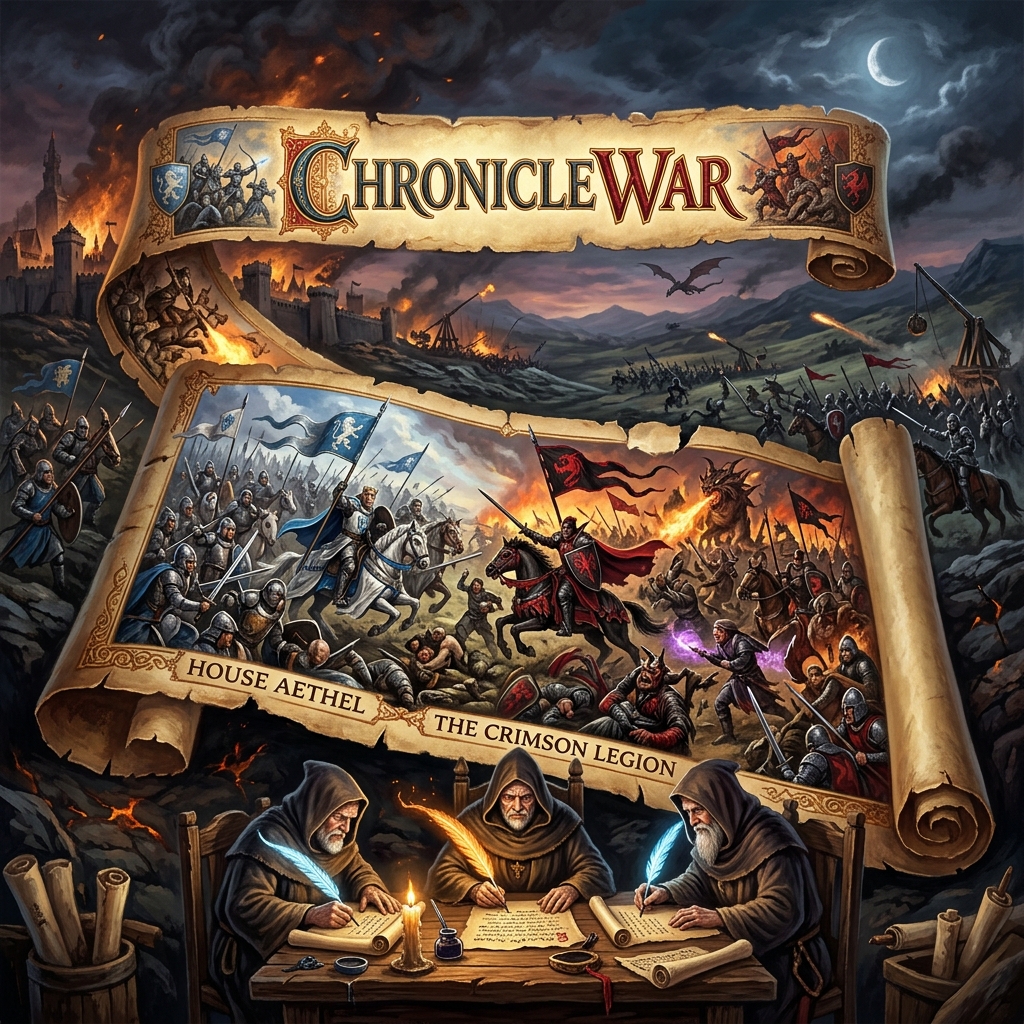
The Rise of Mounted Military Forces
A Historical Perspective
The concept of mounted military forces has been a cornerstone of warfare for thousands of years. From the ancient horseback riders of Mesopotamia to the modern-day cavalry units of the 21st century, mounted forces have played a significant role in shaping the course of history. In this article, we’ll delve into the history of mounted military forces, their evolution, and the factors that contributed to their rise.
The Early Days of Mounted Warfare
The use of horses in warfare dates back to the Neolithic period, around 4000 BCE. In ancient Mesopotamia, cavalry units were formed to provide mobility and flexibility on the battlefield. The earliest recorded use of cavalry was in the region of Sumer, where chariots were used to transport troops and supplies. As civilizations rose and fell, the use of mounted forces continued to evolve, with various cultures adapting and improving their horseback riding skills.
The Impact of the Horse on Warfare
The horse had a profound impact on warfare, enabling armies to cover greater distances, respond quickly to changing circumstances, and exploit enemy weaknesses. In ancient times, the horse was a status symbol, reserved for nobility and elite warriors. As the use of mounted forces became more widespread, armies began to develop specialized units, such as cavalry and mounted archers, who could deliver a decisive blow on the battlefield.
The Age of Chivalry and the Rise of Knights
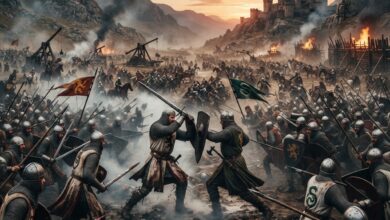
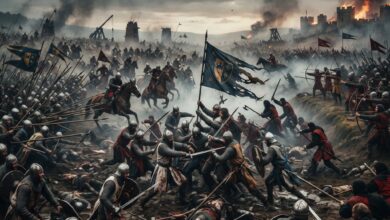
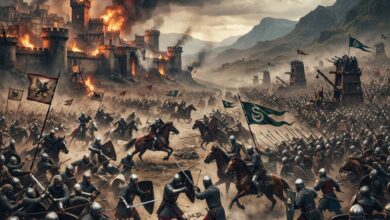
During the Middle Ages, the concept of chivalry emerged, emphasizing honor, loyalty, and martial prowess. Knights, armed with lances and shields, became the epitome of mounted warfare. These heavily armored warriors rode into battle on their steeds, seeking to prove their valor and protect the weak. The age of chivalry saw the rise of great kingdoms and empires, with mounted forces playing a crucial role in their expansion and defense.
The Age of Gunpowder and the Decline of Mounted Forces
The advent of gunpowder and the development of firearms marked a significant shift in the balance of power on the battlefield. As armies began to adopt artillery and infantry tactics, the need for mounted forces diminished. However, the horse remained an essential component of warfare, particularly in the 18th and 19th centuries, when cavalry units were used for reconnaissance, scouting, and rapid response.
The Modern Era of Mounted Military Forces
In the 20th century, the role of mounted forces evolved to include specialized units, such as armored cavalry and mechanized infantry. The development of tanks, helicopters, and other mechanized vehicles led to the decline of traditional cavalry units. However, modern armies continue to recognize the value of mounted forces, incorporating them into their strategies to enhance mobility, flexibility, and combat effectiveness.
The Future of Mounted Military Forces
As technology continues to advance, the role of mounted forces is likely to evolve further. The development of advanced materials, robotics, and autonomous systems may lead to the emergence of new mounted forces, capable of operating in a variety of environments. The future of mounted warfare will depend on the ability of armies to adapt and innovate, leveraging new technologies to stay ahead of the curve.
FAQ
Q: What was the first recorded use of mounted warfare?
The first recorded use of mounted warfare dates back to ancient Mesopotamia, where chariots were used to transport troops and supplies.
Q: How did the horse impact warfare?
The horse had a profound impact on warfare, enabling armies to cover greater distances, respond quickly to changing circumstances, and exploit enemy weaknesses.
Q: What was the significance of the age of chivalry?
The age of chivalry emphasized honor, loyalty, and martial prowess, and saw the rise of great kingdoms and empires, with mounted forces playing a crucial role in their expansion and defense.
Q: How have mounted forces evolved over time?
From the early days of chariots to the modern era of armored cavalry and mechanized infantry, mounted forces have continued to adapt and evolve, incorporating new technologies and tactics to stay ahead of the curve.
Conclusion
The rise of mounted military forces has been a defining feature of warfare for thousands of years. From ancient Mesopotamia to the modern era, mounted forces have played a crucial role in shaping the course of history. As technology continues to advance, the role of mounted forces is likely to evolve further, leading to new and innovative applications on the battlefield.