The Ancient Art of Breaching City Walls
A Brief History of Siege Warfare
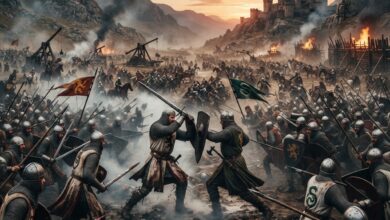
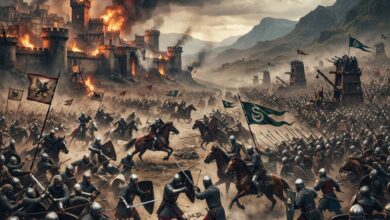
Siege warfare, the art of breaching city walls, has a long and storied history. From the ancient Mesopotamians to the modern-day militaries of the world, the concept of breaching a city’s defenses has been a cornerstone of warfare. The goal of breaching city walls is simple: to gain access to the city, disrupt the enemy’s ability to resist, and ultimately claim victory.
Types of Siege Engines
The development of siege engines was a crucial factor in the ability of attackers to breach city walls. Over time, various types of siege engines emerged, each with its own unique characteristics and uses. Some of the most notable types of siege engines include:
- Battering Rams: These were large, heavy wooden beams that were pushed against the gates or walls of a city, with the goal of breaking through or creating a breach.
- Ballistae: These were large, torsion-powered catapults that were used to launch heavy projectiles, such as stones or iron-tipped darts, at the walls of a city.
- Onagri: These were small, mobile catapults that were used to launch smaller projectiles, such as stones or arrows, at the walls of a city.
- Scorpios: These were small, handheld catapults that were used to launch small projectiles, such as arrows or stones, at the walls of a city.
Techniques for Breaching City Walls
Attacking forces have employed a variety of techniques to breach city walls throughout history. Some of the most notable techniques include:
- Miners and Sappers: Attacking forces would often dig tunnels under the city walls, then use explosives or fire to breach the walls and gain access to the city.
- Tunneling: Similar to miners and sappers, attacking forces would dig tunnels under the city walls, then use these tunnels to gain access to the city.
- Scaling Walls: Attacking forces would often attempt to scale the walls of a city using ladders, ropes, or other climbing devices.
- Using Siege Engines: As mentioned earlier, siege engines were used to breach city walls. These engines were often used in conjunction with other techniques, such as miners and sappers or scaling walls.
Examples of Successful Breaches</hassistant
The Ancient Art of Breaching City Walls
A Brief History of Siege Warfare
Siege warfare, the art of breaching city walls, has a long and storied history. From the ancient Mesopotamians to the modern-day militaries of the world, the concept of breaching a city’s defenses has been a cornerstone of warfare. The goal of breaching city walls is simple: to gain access to the city, disrupt the enemy’s ability to resist, and ultimately claim victory.
Types of Siege Engines
The development of siege engines was a crucial factor in the ability of attackers to breach city walls. Over time, various types of siege engines emerged, each with its own unique characteristics and uses. Some of the most notable types of siege engines include:
- Battering Rams: These were large, heavy wooden beams that were pushed against the gates or walls of a city, with the goal of breaking through or creating a breach.
- Ballistae: These were large, torsion-powered catapults that were used to launch heavy projectiles, such as stones or iron-tipped darts, at the walls of a city.
- Onagri: These were small, mobile catapults that were used to launch smaller projectiles, such as stones or arrows, at the walls of a city.
- Scorpios: These were small, handheld catapults that were used to launch small projectiles, such as arrows or stones, at the walls of a city.
Techniques for Breaching City Walls
Attacking forces have employed a variety of techniques to breach city walls throughout history. Some of the most notable techniques include:
- Miners and Sappers: Attacking forces would often dig tunnels under the city walls, then use explosives or fire to breach the walls and gain access to the city.
- Tunneling: Similar to miners and sappers, attacking forces would dig tunnels under the city walls, then use these tunnels to gain access to the city.
- Scaling Walls: Attacking forces would often attempt to scale the walls of a city using ladders, ropes, or other climbing devices.
- Using Siege Engines: As mentioned earlier, siege engines were used to breach city walls. These engines were often used in conjunction with other techniques, such as miners and sappers or scaling walls.
Examples of Successful Breaches
There have been many instances throughout history where city walls were successfully breached. Some notable examples include:
- The Siege of Jerusalem (70 CE): During the First Jewish-Roman War, the Roman legions breached the walls of Jerusalem using a combination of siege engines and miners and sappers.
- The Siege of Constantinople (1204 CE): During the Fourth Crusade, the Crusaders breached the walls of Constantinople using a combination of siege engines and scaling walls.
- The Siege of Acre (1291 CE): During the Crusades, the Mamluk forces breached the walls of Acre using a combination of siege engines and miners and sappers.
The Art of Breaching City Walls in Modern Times
While the techniques of breaching city walls have evolved significantly over time, the underlying principles remain the same. Modern militaries continue to employ a variety of techniques, including the use of advanced siege engines and specialized forces trained in tunneling and scaling walls. The art of breaching city walls remains a vital aspect of warfare, and its importance will only continue to grow in the future.
Conclusion
The art of breaching city walls is a complex and multifaceted topic, with a rich history that spans thousands of years. From the ancient Mesopotamians to modern-day militaries, the concept of breaching a city’s defenses has been a cornerstone of warfare. Understanding the techniques and strategies employed by attacking forces is crucial for defenders, and vice versa. By examining the history and evolution of siege warfare, we can gain valuable insights into the art of breaching city walls and the ongoing importance of this ancient art in modern times.
FAQs
Q: What were the most common types of siege engines used throughout history?
A: The most common types of siege engines used throughout history include battering rams, ballistae, onagri, and scorpios.
Q: How did attackers use miners and sappers to breach city walls?
A: Attackers would often dig tunnels under the city walls, then use explosives or fire to breach the walls and gain access to the city.
Q: What were some notable examples of successful breaches throughout history?
A: Some notable examples of successful breaches throughout history include the Siege of Jerusalem, the Siege of Constantinople, and the Siege of Acre.
Q: How have the techniques of breaching city walls evolved over time?
A: The techniques of breaching city walls have evolved significantly over time, with the development of advanced siege engines and specialized forces trained in tunneling and scaling walls.