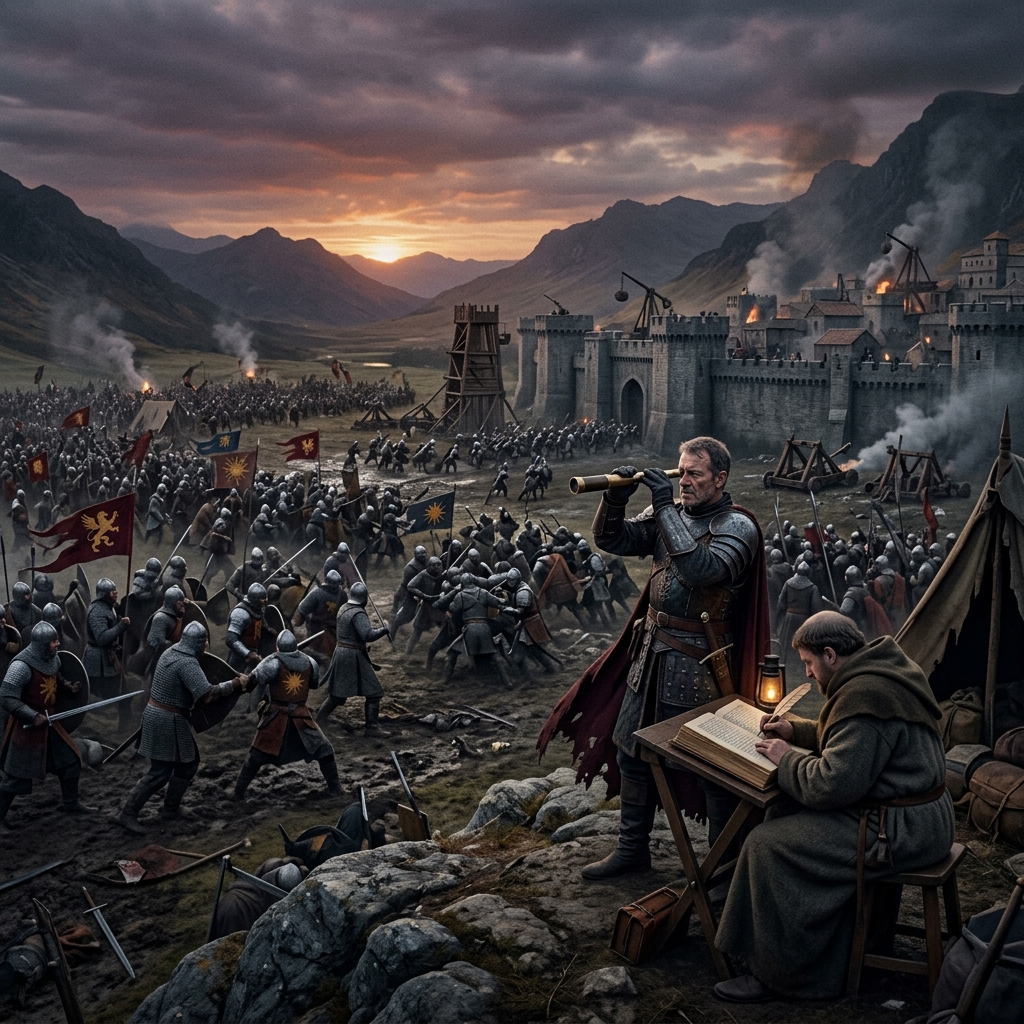
How Intelligence Changed the Outcome of Wars
A Historical Perspective on the Impact of Intelligence on Warfare
Throughout history, intelligence has played a pivotal role in determining the outcome of wars. From the early days of human conflict to the modern era of high-tech warfare, intelligence has been a key factor in influencing the course of battles and the ultimate victory of one side over the other. In this article, we will delve into the significance of intelligence in warfare, exploring its evolution, impact, and the various ways it has changed the outcome of wars.
The Early Days of Intelligence in Warfare
In the early days of human conflict, intelligence was often gathered through scouts, spies, and other forms of human intelligence (HUMINT). These early intelligence gatherers would provide valuable information to their commanders, helping them make informed decisions about troop movements, battle plans, and resource allocation. One of the earliest recorded examples of intelligence in warfare is the ancient Egyptian pharaoh Ramses II, who used spies to gather information about his enemies during the Battle of Kadesh in 1274 BCE.
The Advent of Modern Intelligence in Warfare
The advent of modern intelligence in warfare can be attributed to the development of new technologies and communication systems. The invention of the telegraph in the 19th century enabled commanders to receive and send information more quickly, allowing them to make more informed decisions in real-time. The use of aircraft and aerial reconnaissance during World War I marked a significant turning point in the role of intelligence in warfare, as commanders could now gather information about enemy positions and movements from the air.
Intelligence and the Outcome of World War II
One of the most significant examples of intelligence changing the outcome of a war is the Allied victory in World War II. The intelligence gathered by the Allies, particularly through the Ultra code-breaking operation, played a crucial role in the defeat of Nazi Germany. The breaking of the Enigma code allowed the Allies to decipher German communications, giving them valuable information about enemy troop movements, plans, and intentions. This intelligence enabled the Allies to make informed decisions about military operations, ultimately contributing to the defeat of Nazi Germany.
Intelligence and the Outcome of the Cold War
The Cold War saw a significant increase in the use of intelligence in warfare, as both the United States and the Soviet Union engaged in a global game of espionage and counter-espionage. The CIA and KGB engaged in a series of clandestine operations, including assassinations, sabotage, and covert operations, all aimed at undermining the other side’s military and economic capabilities. The use of intelligence in the Cold War was particularly significant in the realm of nuclear deterrence, as both sides relied on their intelligence agencies to gather information about the other side’s nuclear capabilities and intentions.
The Modern Era of Intelligence in Warfare
The modern era of intelligence in warfare has seen the development of new technologies and methods, including the use of drones, satellite imagery, and cyber warfare. The rise of global terrorism has also led to a new era of asymmetric warfare, where intelligence plays a critical role in gathering information about enemy organizations and plans. The use of intelligence in modern warfare has become increasingly important, as commanders rely on accurate and timely information to make informed decisions about military operations.
Conclusion
In conclusion, the impact of intelligence on the outcome of wars cannot be overstated. From the early days of human conflict to the modern era of high-tech warfare, intelligence has played a pivotal role in determining the course of battles and the ultimate victory of one side over the other. As the nature of warfare continues to evolve, the importance of intelligence will only continue to grow, as commanders rely on accurate and timely information to make informed decisions about military operations.
Frequently Asked Questions
Q: What is the difference between human intelligence (HUMINT) and signals intelligence (SIGINT)?
A: Human intelligence (HUMINT) involves gathering information through human sources, such as spies, scouts, and informants. Signals intelligence (SIGINT), on the other hand, involves gathering information through the interception of communications, such as radio signals, phone calls, and other forms of electronic communication.
Q: How has the use of intelligence in warfare changed over time?
A: The use of intelligence in warfare has evolved significantly over time, from the early days of human intelligence gatherers to the modern era of high-tech warfare. The development of new technologies, such as the telegraph, aircraft, and satellite imagery, has enabled commanders to gather information more quickly and accurately.
Q: What is the role of intelligence in modern warfare?
A: In modern warfare, intelligence plays a critical role in gathering information about enemy organizations, plans, and intentions. Commanders rely on accurate and timely information to make informed decisions about military operations, and to anticipate and respond to enemy movements and actions.
Q: How does intelligence contribute to the outcome of wars?
A: Intelligence contributes to the outcome of wars by providing commanders with accurate and timely information about enemy positions, plans, and intentions. This information enables commanders to make informed decisions about troop movements, battle plans, and resource allocation, ultimately contributing to the defeat of the enemy.
Q: What is the relationship between intelligence and the outcome of wars?
A: The relationship between intelligence and the outcome of wars is complex and multifaceted. In general, the possession of superior intelligence can provide a significant advantage in warfare, enabling commanders to anticipate and respond to enemy movements and actions. However, the effectiveness of intelligence depends on a variety of factors, including the quality of the intelligence, the speed of its transmission, and the ability of commanders to interpret and act on the information.