The Greatest Roman Military Campaigns
A Legacy of Conquest and Power
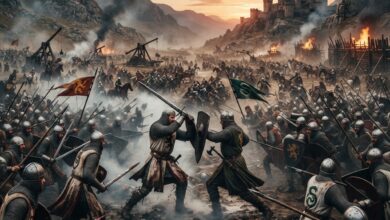
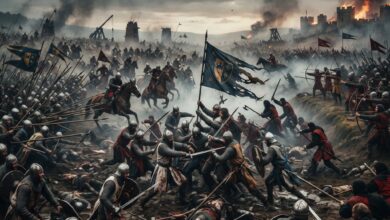
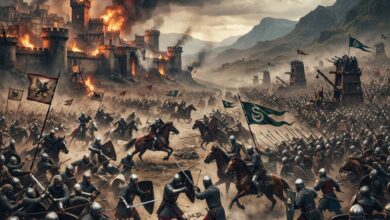
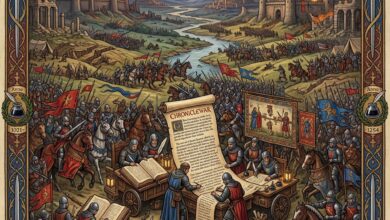
The Roman Empire, which lasted from 27 BC to 476 AD, is renowned for its impressive military campaigns that expanded its borders, secured its power, and left a lasting legacy. From the early conquests of Italy to the eventual collapse of the Western Roman Empire, the Roman military played a pivotal role in shaping the course of history. In this article, we will explore the greatest Roman military campaigns, their objectives, outcomes, and lasting impacts on the empire.
The Conquest of Italy (4th-3rd centuries BC)
The Roman military’s first major campaign was the conquest of Italy, which began in the 4th century BC. The Romans faced resistance from various tribes, including the Latins, Etruscans, and Samnites. However, under the leadership of the legendary general Camillus, they successfully defeated the Gauls at the Battle of the Allia and went on to conquer much of Italy. This campaign laid the foundation for Rome’s future military prowess and established the city-state as a dominant force in the region.
The Punic Wars (264-146 BC)
The Punic Wars, a series of conflicts with Carthage, were a defining moment in Roman military history. The first Punic War (264-241 BC) saw Rome emerge victorious, but at great cost. The second Punic War (218-201 BC) is famously associated with Hannibal’s invasion of Italy and the Battle of Cannae, one of the greatest military defeats in Roman history. The third Punic War (149-146 BC) resulted in the destruction of Carthage, marking the end of the city’s independence and the beginning of Roman dominance over the Mediterranean.
The Macedonian Wars (214-168 BC)
The Macedonian Wars were a series of campaigns fought against the kingdom of Macedon, which had been weakened by internal conflicts. Rome’s victories in these wars, particularly the Battle of Pydna (168 BC), secured control over the region and paved the way for future conquests in Greece.
The Gallic Wars (58-51 BC)
The Gallic Wars, led by Julius Caesar, were a series of campaigns fought against the Gauls, a Celtic tribe inhabiting modern-day France and parts of Belgium. Caesar’s military tactics and innovative strategies, such as the use of auxiliary troops and fortifications, helped the Romans secure key victories. However, the campaign also saw the infamous Battle of the Sabis (54 BC), where Caesar’s forces were nearly defeated.
The Parthian Wars (53 BC-217 AD)
The Parthian Wars were a series of conflicts fought between the Roman Empire and the Parthian Empire, which had its roots in ancient Persia. The Romans, under the leadership of Crassus and later Trajan, engaged the Parthians in a series of battles, with varying degrees of success. However, the campaign ultimately ended in defeat for Rome, with the loss of the Battle of Carrhae (53 BC) and the subsequent retreat of the Roman legions.
The Dacian Wars (101-106 AD)
The Dacian Wars, fought against the Dacian Empire, were a series of campaigns led by the Roman Emperor Trajan. The wars saw the Romans secure key victories, including the Battle of Sarmizegetusa (102 AD) and the Battle of Adamclisi (106 AD). However, the campaign also resulted in the eventual defeat of the Dacian Empire and the absorption of its territories into the Roman Empire.
The Marcomannic Wars (166-180 AD)
The Marcomannic Wars were a series of campaigns fought against the Marcomanni, a Germanic tribe that had been a thorn in the side of the Roman Empire. The wars, led by the Roman Emperor Marcus Aurelius, saw the Romans secure key victories, including the Battle of Nicopolis (169 AD). However, the campaign also resulted in the eventual defeat of the Marcomanni and the absorption of their territories into the Roman Empire.
The Gothic Wars (250-271 AD)
The Gothic Wars were a series of campaigns fought against the Goths, a Germanic tribe that had been a major threat to the Roman Empire. The wars, led by the Roman Emperor Claudius Gothicus, saw the Romans secure key victories, including the Battle of Naissus (269 AD). However, the campaign also resulted in the eventual defeat of the Goths and the absorption of their territories into the Roman Empire.
A Legacy of Conquest and Power
The Roman military campaigns had a profound impact on the empire, shaping its borders, securing its power, and establishing its legacy. From the conquest of Italy to the eventual collapse of the Western Roman Empire, the Roman military played a pivotal role in shaping the course of history. The campaigns also saw the development of new military tactics, the rise of legendary generals, and the growth of the Roman Empire into a dominant force in the Mediterranean.
Conclusion
The greatest Roman military campaigns were a defining feature of the empire’s history, shaping its borders, securing its power, and establishing its legacy. From the conquest of Italy to the eventual collapse of the Western Roman Empire, the Roman military played a pivotal role in shaping the course of history. The campaigns also saw the development of new military tactics, the rise of legendary generals, and the growth of the Roman Empire into a dominant force in the Mediterranean.
FAQs
What was the greatest Roman military campaign?
The greatest Roman military campaign is often considered to be the Punic Wars, a series of conflicts fought against Carthage. The wars saw the Romans emerge victorious, but at great cost, and resulted in the destruction of Carthage, marking the end of the city’s independence and the beginning of Roman dominance over the Mediterranean.
Who was the most successful Roman general?
The most successful Roman general is often considered to be Julius Caesar, who led the Roman military to a series of victories in Gaul, Egypt, and Pontus. Caesar’s military tactics and innovative strategies helped the Romans secure key victories and paved the way for future conquests in Europe and the Mediterranean.
What was the impact of the Roman military campaigns on the empire?
The Roman military campaigns had a profound impact on the empire, shaping its borders, securing its power, and establishing its legacy. From the conquest of Italy to the eventual collapse of the Western Roman Empire, the Roman military played a pivotal role in shaping the course of history.
What were the key tactics used by the Roman military during their campaigns?
The Roman military employed a variety of tactics during their campaigns, including the use of auxiliary troops, fortifications, and innovative strategies. The Roman legions also developed new tactics, such as the use of the testudo (tortoise) formation and the development of siege engines.
What was the significance of the Parthian Wars for the Roman Empire?
The Parthian Wars were a series of conflicts fought between the Roman Empire and the Parthian Empire. The wars saw the Romans secure key victories, but also resulted in the eventual defeat of the Roman legions and the loss of the Battle of Carrhae. The campaign marked the beginning of a period of decline for the Roman Empire, as it struggled to maintain its power and influence in the region.